


Explore thousands of items. Use clickable links under collections and library for broad categories. Search by keyword (including topic,city, state.) Limit by time period, type of item, region. See our search tips page for more assistance.
Collections
Library
Type
Region
Coverage:
-
Published:
-
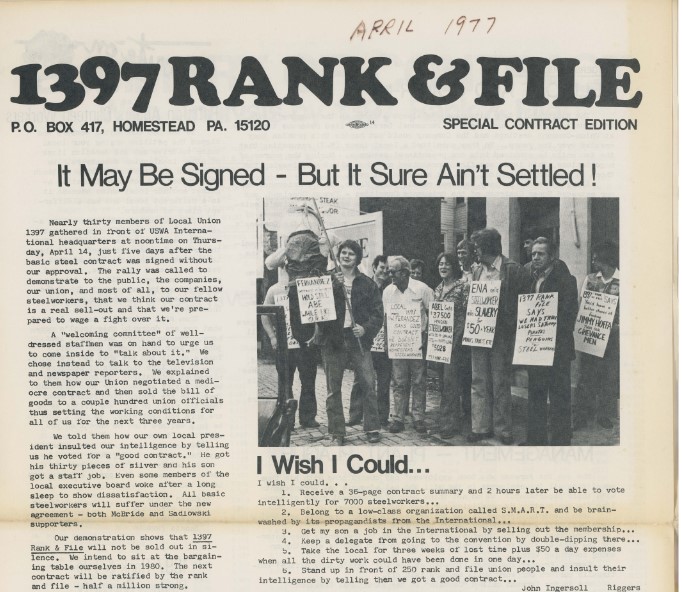
1397 Rank and File Steelworkers
newspaper publication of the 1397 Rank & File , 1977-1985, a dissident union local at Homestead Pennsylvania
newspaper publication of the 1397 Rank & File Steelworkers local at Homestead, Pennsylvania
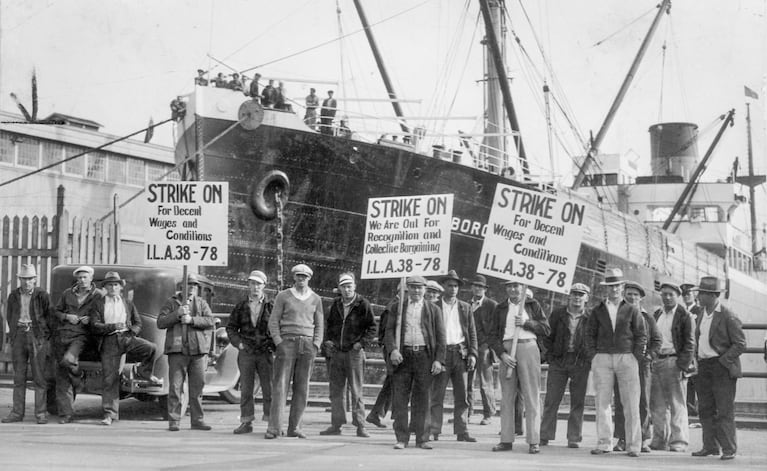
1917rpm
Short educational video with several images from the strike.
2 minute music-only video of several images from the 1934 Minneapolis strike.
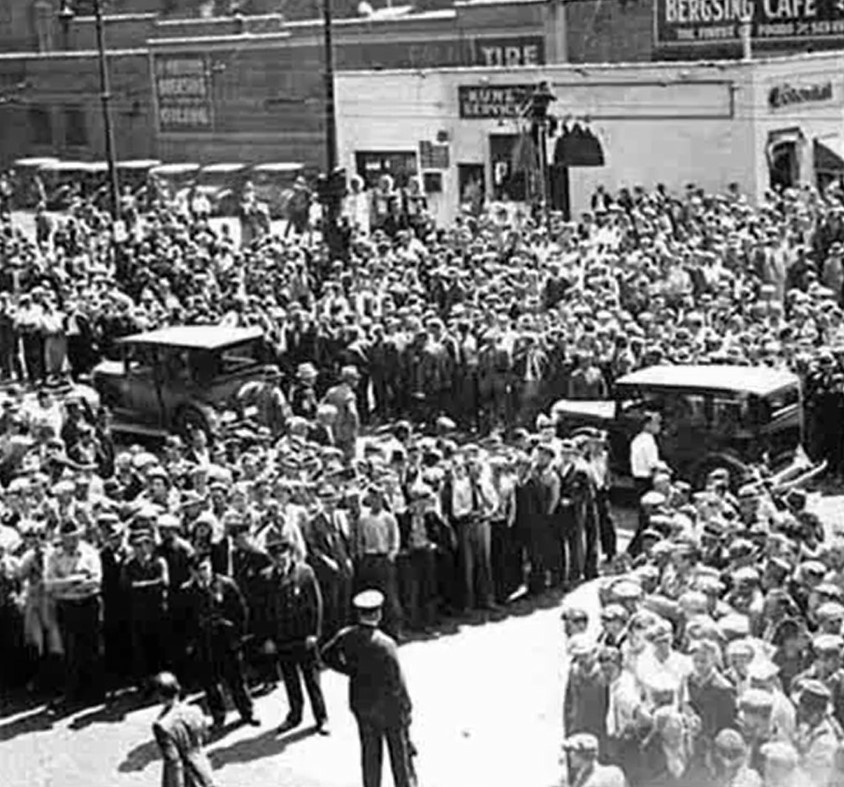
1917rpm
The Minneapolis strike of 1934 was a major episode of class conflict during the Great Depression. This short silent view might be useful for a quick introduction.
A brief, two-minute cut of original film from the 1934 Minneapolis strikes.
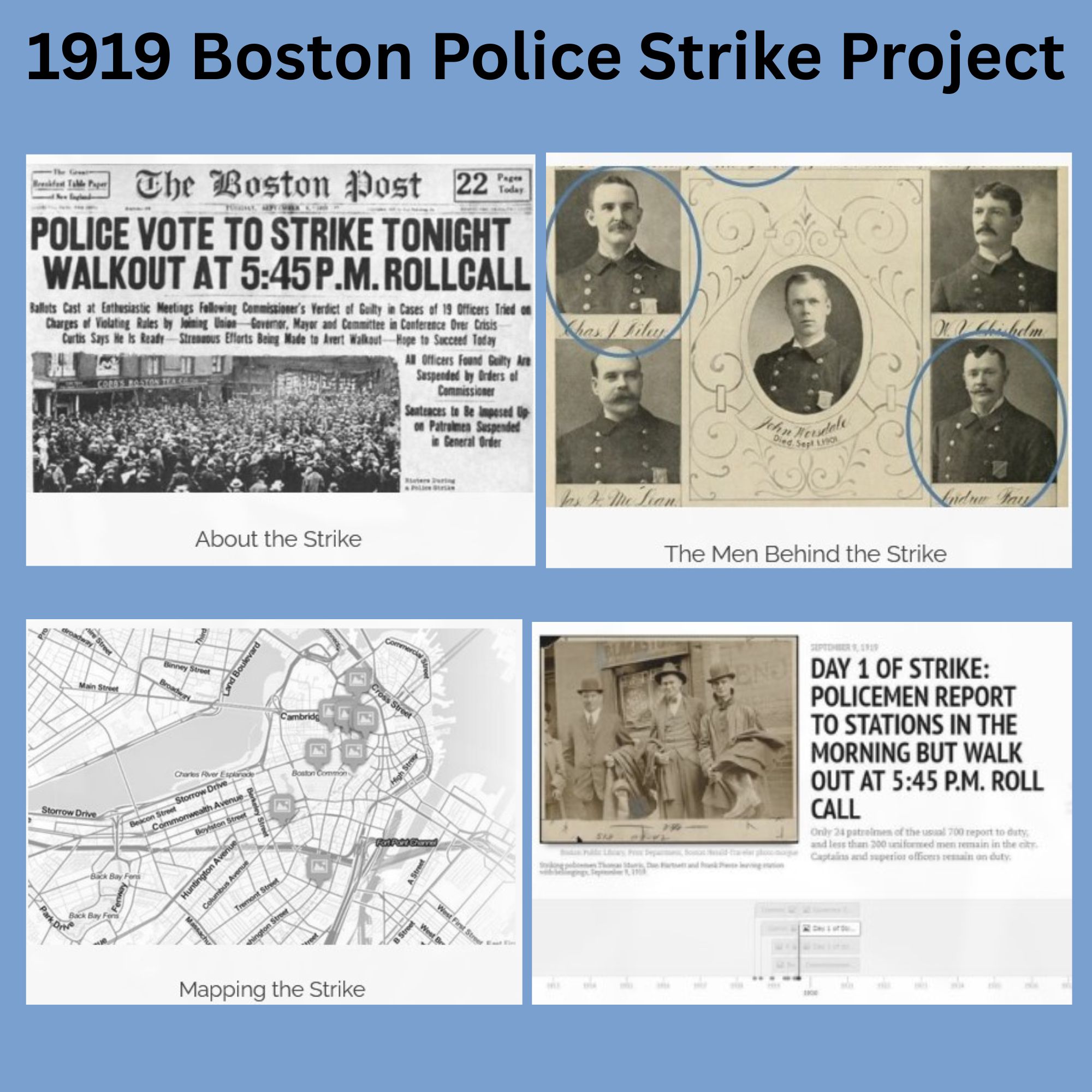
1919 Boston Police Strike Project
On September 9, 1919, more than 1,100 members of the Boston Police Department went out on strike, seeking recognition for their trade union, fair wages and decent working conditions. It was the first ever strike by a public employees union in U.S. history. After a period of unrest, as well as state and national attention, the strikers were fired, accused of being Communist-front. It occurred duirng the Red Scare, and Calvin Coolidge sent in the militia to put the strike down.
The goal of the 1919 Boston Police Strike Project is to uncover, document and preserve the stories of the men who were involved in this highly influential labor strike — a complex historical event that would have lasting effects in the City of Boston and across the country.
the 1919 police strike was the first strike of public employees; collection includes many images, timeline, and mapping, bibliography
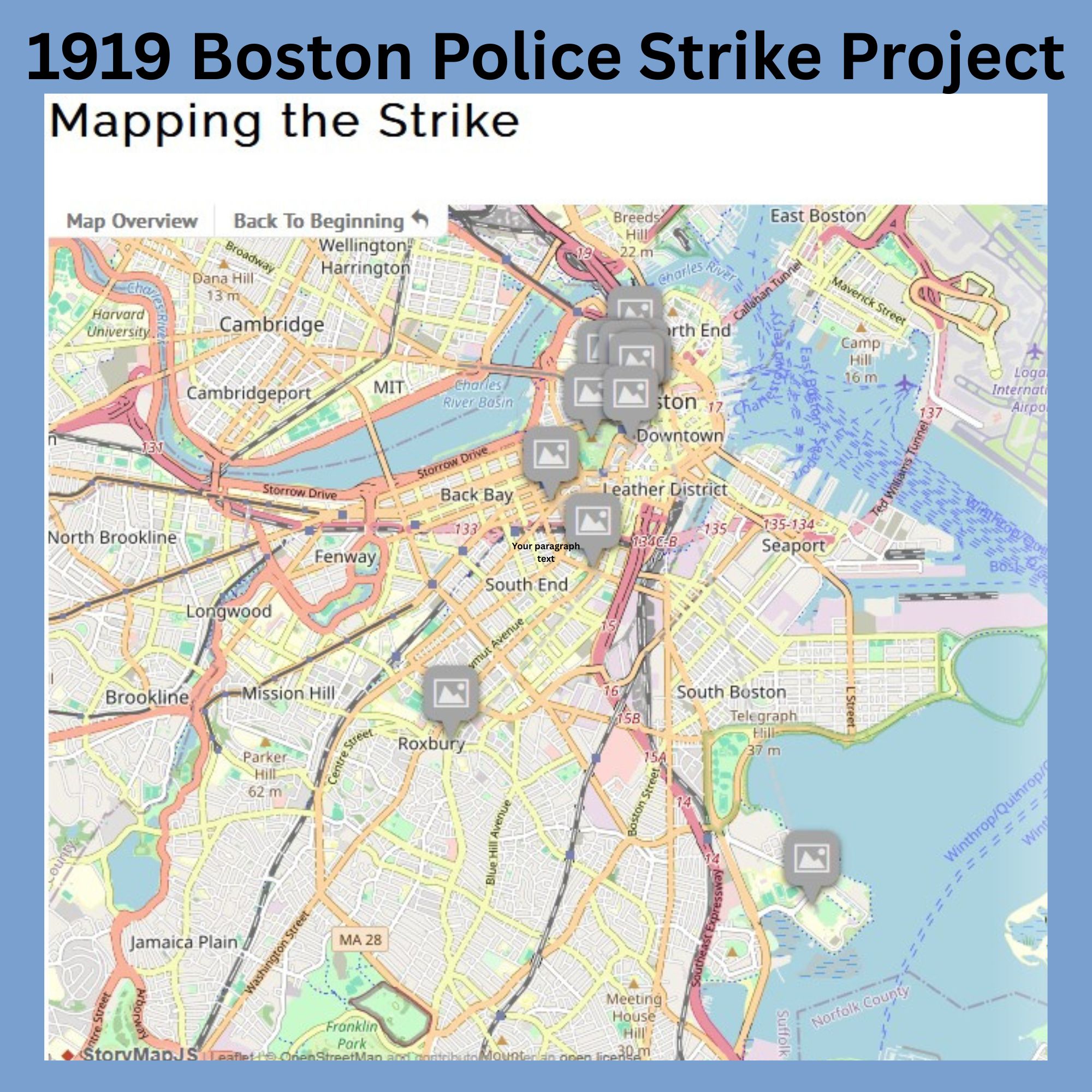
1919 Boston Police Strike Project
Since the 1919 Boston Police Strike Project launched in 2012, 82 volunteers, students, and staff from the Boston Police Archives, the City of Boston Archives, and the Joseph P. Healey Library at UMass Boston have devoted more than 90,000 hours to documenting the lives of the strikers through meticulous biographical research. Their energy, focus, and dedication have resulted in a public website and database for the benefit of all.
On September 7, 2019 — two days before the centennial of the strike — staff from the Healey Library at UMass Boston and the Boston Police Archives brought together project volunteers, community members, family members, students, retired police officers, and others to commemorate the lives and stories of the striking officers.
The project is a collaboration between the Boston Police Department Archives and the Joseph P. Healey Library at the University of Massachusetts Boston. Learn more about the project and view a full list of acknowledgments.
mapping of the 1919 Boston Police strike, the first ever strike by a public employees union in U.S. history.
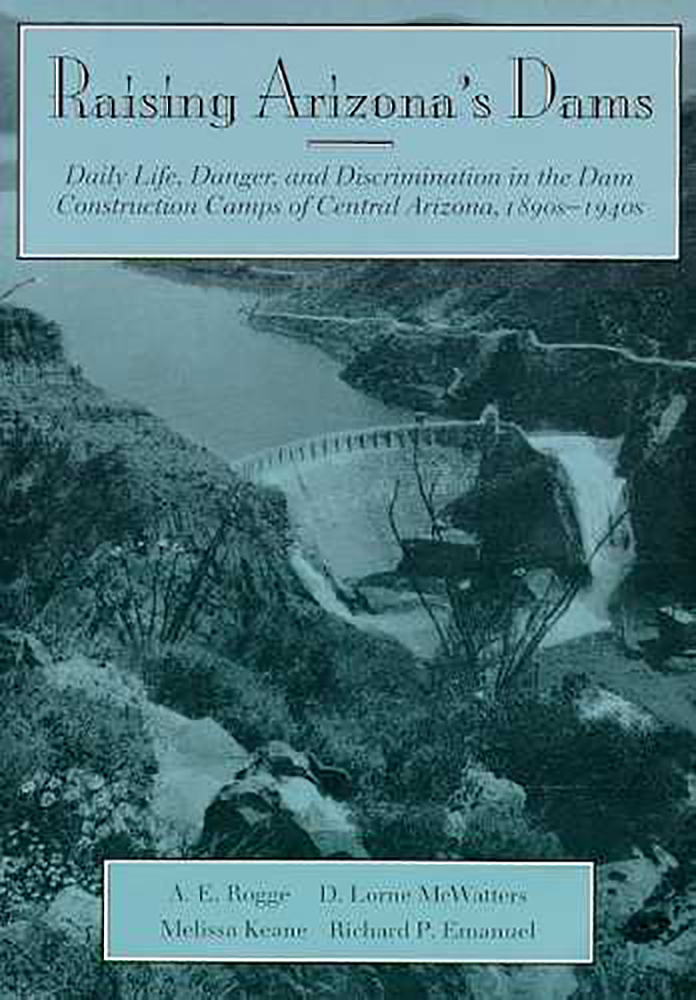
A. E. Rogge, D. Lorne McWatters, Melissa Keane, Richard P. Emanuel
University of Arizona Press (2016)
These are the stories of the people who built the Arizona dams, the people that the history books forgot." "The book focuses on the lives of the laborers and their families, who created temporary construction communities during the building of seven major dams in central Arizona along the Salt, Verde, and Agua Fria rivers. The authors call upon a wide array of sources - archaeological evidence, census counts, court documents, government records, newspapers and magazines, oral histories, and even historical novels - in reconstructing life in these long-forgotten camps. They describe the dynamic demography of the temporary communities, the physical conditions and social life of the camps, the nature and danger of the work, and the relations among various ethnic groups."--BOOK JACKET
stories of the people who built the Arizona dams
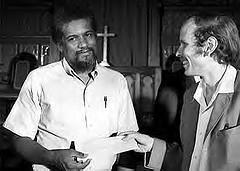
A. Muhammad Ahmad
A short history of the League of Revolutionary Black Workers - a radical union of black auto workers. The articles includes other information about the car industry, race and struggle from 1910 onwards.
A short, informative, history of a Detroit-based radical union of black auto workers.

A. Muhammad Ahmad
Muhammad Ahmad's article on the League of Revolutionary Black Workers
an essay on the League of Revolutionary Black Workers

A. Philip Randolph, Andrew E. Kersten, David Lucander, eds.
University Press of Kentucky (2014)
As the head of the Brotherhood of Sleeping Car Porters and a tireless advocate for civil rights, A. Philip Randolph (1889–1979) served as a bridge between African Americans and the labor movement. During a public career that spanned more than five decades, he was a leading voice in the struggle for black freedom and social justice, and his powerful words inspired others to join him. This volume documents Randolph's life and work through his own writings. The editors have combed through the files of libraries, manuscript collections, and newspapers, selecting more than seventy published and unpublished pieces that shed light on Randolph's most significant activities. The book is organized thematically around his major interests―dismantling workplace inequality, expanding civil rights, confronting racial segregation, and building international coalitions. The editors provide a detailed biographical essay that helps to situate the speeches and writings collected in the book. In the absence of an autobiography, this volume offers the best available presentation of Randolph's ideas and arguments in his own words.
Contents:
Introduction
Part I. The Brotherhood of Sleeping Car Porters
1. The Case of the Pullman Porters (1925)
2. Randolph Replies to Chicago “Surrender” Misnamed Defender (1927)
3. A.F. of L. Redoubles Its Support for Porters’ Victory (1930)
4. Why a Trade Union? (1931)
5. Requesting International Charter for Sleeping Car Porters (1934)
6. Remarks before U.S. Senate Committee on Interstate Commerce (1934)
7. Pullman Porters Union Will Not Fold (1966)
8. Report at Brotherhood of Sleeping Car Porters Convention (1968)
Part 2. Labor Leader at Large
9. The Unemployment Crisis (1921)
10. The Negro and the Labor Movement (1925)
11. Race Workers Turning to the American Federation of Labor (1929)
12. Open Letter Opposing Proposal to Ban Migration (1943)
13. Telegram, Judge Kennesaw Mountain Landis (1943)
14. The Negro and CIO-AFL Merger (1955)
15. Why the National Negro Labor Council (1959)
16. Testimony before the Committee on Education and Labor (1961)
17. The American Trade Union Movement at the Crossroads: Address at Brown University, Providence, Rhode Island (1962)
18. Testimony before the Committee on Labor and Public Welfare (1963)
19. Right-to-Work Laws Called Threat to Decent Wages (1966)
20. A Vision of Freedom (1969)
21. A Labor Day Message (1978)
3. Randolph Speaks His Mind, 1919–1967
22. Lynching: Capitalism Its Cause; Socialism Its Cure (1919)
23. A New Crowd—A New Negro (1919)
24. The Failure of the Negro Church (1919)
25. Segregation in the Public Schools (1924)
26. Randolph Defies Boss Crump (1944)
27. Keynote Address at Negro American Labor Council Convention (1962)
28. African Methodism and the Negro in the Western World (1962)
29. Lincoln University Commencement Address (1967)
4. Randolph’s Views on Politics in the United States
30. My Father’s Politics (n.d.)
31. The Negro in Politics (1919)
32. The Issues—The Negro and the Parties (1924)
33. Testimony before House Committee to Investigate Communist Activities in the United States (1930)
34. Why I Would Not Stand for Re-Election for President of the National Negro Congress (1940)
35. Why I Did Not Elect to Run for Congress (ca. 1944)
36. For Political Reorientation (1946)
37. Why I Voted for Norman Thomas (1948)
38. Randolph Hits Barry Goldwater (1964)
5. The March on Washington Movement and the Fair Employment Practice Committee
39. Let’s March on Capital 10,000 Strong, Urges Leader of Porters (1941)
40. Letters to Walter White (1941)
41. Letter to Franklin D. Roosevelt (1941)
42. 8 Point Program—March On Washington Movement (1942–1943)
43. March On Washington Movement Presents Program for the Negro (1944)
44. Statement at U.S. Senate Fair Employment Act Hearings (1945)
6. Making and Witnessing History in the Civil Rights Movement
45. Protest against Mississippi Lynching of Emmett Louis Till (1955)
46. Statement at Prayer Pilgrimage for Freedom at the Lincoln Memorial (1957)
47. Why the Interracial Youth March for Integrated Schools? (1958)
48. Commencement Address at Morgan State College (1959)
49. There Is No War between Negro and Jewish Labor Leaders over Civil Rights (1960)
50. Filibuster of the People (1963)
51. Address of A. Philip Randolph at the March on Washington for Jobs and Freedom (1963)
52. The Civil Rights Revolution—Origin and Mission (1964)
53. Crisis of Victory (1965)
54. Address at Pilgrim Baptist Church (1965)
55. Black Power—A Promise or a Menace (1966)
56. Freedom Budget (1966)
57. Speech at White House, “To Fulfill These Rights” (1966)
58. Letter to Layle Lane on the Ocean Hill–Brownsville Crisis (1968)
7. Randolph, War, and the Fight to Desegregate the United States Military
59. The Negro and the War (1941)
60. The Negroes Fight for Democracy Now! (1942)
61. Our Battle on the Home Front (1942)
62. The Negro in War and Peace (ca. 1940s)
63. The Negro, the War, and the Future of Democracy (ca. 1940s)
64. Socialism for Peace and Plenty (ca. 1940s)
65. Testimony before the Senate Armed Services Committee (1948)
66. Letters to President Harry S. Truman (1947–1948)
67. Letter to George Houser (1949)
68. Letter to Jackie Robinson (1949)
69. Should Negroes Help the U.S.A. Win the Cold War against the U.S.S.R.? (n.d.)
70. Vietnam and Freedom Movement at Crossroads (1966)
8. A. Philip Randolph on International Affairs
71. The Only Way to Redeem Africa (1922–1923)
72. March on Washington Leader Sees Danger of Race Losing the Peace (1942)
73. My Trip Abroad (1951)
74. The World Challenge of Ghana (1957)
75. Statement at Histadrut Humanitarian Award Dinner (1964)
76. Africa: Challenge and Crisis (1967)
A collection of writings by A. Philip Randolph, head of the Brotherhood of Sleeping Car Porters and a tireless advocate for civil rights, with a detailed bibliographical essay provided by the editors.
A. Philip Randolph, History Matters
Socialism, although less important in the African-American community than growing concepts of racial militancy, was one of the many ideologies debated by black Americans in the 1920s. A. Philip Randolph, who in 1925 organized the Brotherhood of Sleeping Car Porters, was perhaps the leading black proponent of socialism as the only remedy for the plight of African Americans. In this March 1919 editorial in the Messenger, the radical newspaper that would later become the voice of the Brotherhood of Sleeping Car Porters, Randolph rejected the “leadership” of organizations such as the NAACP. Instead, he urged black and white workers to unite, form unions, and embrace socialism in order to win political gains and economic advancement.
A. Philip Randolph's 1919 article in the Messenger where he emphasizes the need for interracial unionism and for all workers to embrace socialism.
AFL-CIO
Very brief timelines of the following subjects:
Our Labor History Timeline,
The Labor Movement and Gender Equality,
The Labor Movement and Immigrant Rights,
The Labor Movement and Workplace Safety,
The Labor Movement and Civil Rights,
The Labor Movement and Workplace Rights,
The Labor Movement and Retirement,
The Labor Movement and Shared Prosperity,
The Labor Movement and Labor Law,
Trade Unions and the AFL-CIO History Timeline
timelines in labor history
AFL-CIO
The AFL-CIO's website tracking the pay of A-level coporate executives, corporate profits, and real wages. In their words, "CEOs, not working people, are causing inflation. Input data updated regularly
tracks the pay of A-level coporate executives, corporate profits, and real wages.
AFL-CIO, Carpenters Union, University of Maryland
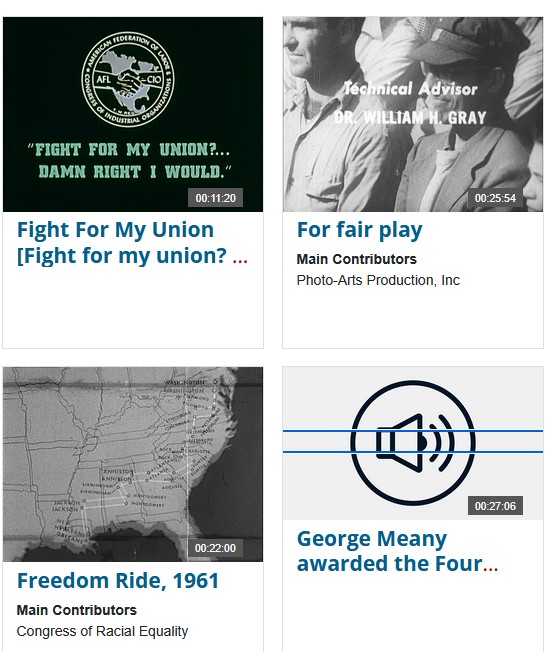
The labor collection includes 100 film and video item from the AFL-CIO records and the United Brotherhood of Carpenters and Joiners of America and Cannada; includes convention tapes from 1955. Documentary on Carpenters Union "75 years of Free labor in America; AFL-CIO Centennial moments (1976)
The labor collection includes 100 film and video item from the AFL-CIO records and the United Brotherhood of Carpenters and Joiners of America and Cannada;
AFL-CIO, University of Maryland
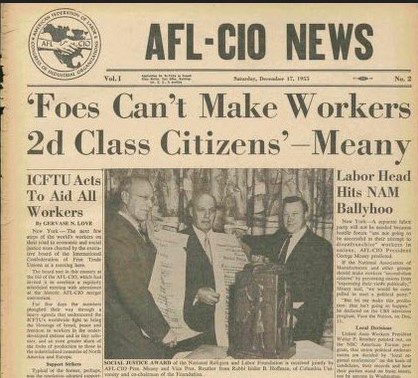
volumes 1, 1955-1956 through Volume 41
DIgitized periodical of the AFL-CIO federation

AFSCME
A day-level timeline chronology of the Memphis AFSCME Sanitation Workers' Strike, running from January 1968 to April that year.
A day-level timeline chronology of the Memphis AFSCME Sanitation Workers' Strike
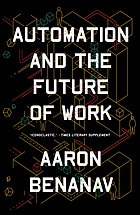
Aaron Benanav
Verso (2020)
In Automation and the Future of Work, Benanav uncovers the structural economic trends that will shape our working lives far into the future. He goes on to salvage from automation discourse its utopian content: the positive vision of a world without work. What social movements, he asks, are required to propel us into post-scarcity, if technological innovation alone can't deliver it? In response to calls for a permanent universal basic income that would maintain a growing army of redundant workers, he offers a counter-proposal.-- Adapted from back cover
A powerful and persuasive explanation of why capitalism can’t create jobs or generate incomes for a majority of humanity" =Mike Davis
Shows the impact of automation on our understanding of work and uncovers the implicit desire for a world without workers present within it
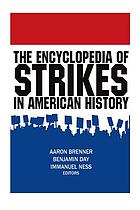
Aaron Brenner, Benjamin Day, Immanuel Ness
M.E. Sharpe (2009)
A collection of historical research on strikes in America comprised of two types of essays, those focused on an industry or economic sector and those focused on a theme. This approach provides a detailed perspective as well broad historical and social coverage of the topic
provides a detailed perspective as well broad historical and social coverage of strikes.

Aaron Goings
Story of the Italian Hall Tragedy in Calumet, Michigan, one of the most tragic events in American labor history. The tragedy at Italian Hall came six months into the great Michigan Copper Country Strike of 1913-14, an epic struggle that matched thousands of mineworkers and their families, organized under the banner of the Western Federation of Miners (WFM), against the united power of Michigan’s Copper Kings
A short intro to Italian Hall Tragedy, 1913, Calumet Michigan, where children lost their lives during a strike

Aaron Goings
University of Washingotn (2025)
In the early decades of the twentieth century, Grays Harbor was the Lumber Capital of the World. While thousands of lumber and maritime workers fought for higher wages and decent conditions, employers unified to protect their interests, often through violent and corrupt means. They spied on unionists, expelled them from their own towns, vilified them in the press, and physically assaulted labor activists. But with deep roots in their communities, radical workers continued to meet in their halls and immigrant neighborhoods—and to influence the wider labor movement well into the 1930s.
In Red Harbor, Aaron Goings resurrects the forgotten history of lumber workers in a bastion of labor radicalism, examining the conflict as workers faced down an alliance of employers, police, and violent anti-radicals, including the Ku Klux Klan. But he goes beyond these clashes to illuminate the vital roles of families, immigrants, and working-class women in the labor movement, revealing how people fought not only for labor rights but also for the good of their communities. The Industrial Workers of the World (or Wobblies) in particular adopted views and tactics from socialist Finnish immigrants while authoring programs responsive to local needs and supported by the people—radical and otherwise.
Vivid and revealing, Red Harbor shines a light on lumber workers and the pursuit of justice in the Pacific Northwest.
This volume resurrects the forgotten history of lumber workers in Grays Harbor, Washington, examining the conflict as workers faced down an alliance of employers, police, and violent anti-radicals, including the Ku Klux Klan.
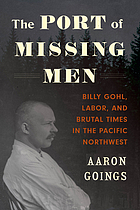
Aaron Goings
University of Washington Press (2020)
The true story behind a labor leader reputed to be a serial killer. Aaron Goings offers a vivid biography of Billy Gohl (1873-1927), a prominent union official in Grays Harbor, Washington who came to be known for killing dozens of people, maybe even more than one hundred. In a cruel twist, many victims were his union members. "These anonymous dead men, culled from the hordes of migrant laborers who had flocked to Grays Harbor to cut trees, came to be known as the floater fleet. Billy Gohl was credited with launching most of them," Murray Morgan wrote in The Last Wilderness: A History of the Olympic Peninsula. "If he was responsible for even half of the floaters found in the harbor during his day, Gohl was America's most prolific murderer. Over a ten-year period the fleet numbered 124."
A union leader turned serial killer? As a labor historian, author Aaron Goings felt compelled to get to the bottom of the story. So he dug into the archives. In this popular biography, Goings uses Gohl's life to illuminate the brutal nature of everyday life in that era: the Yukon gold rush, the brutally dehumanizing lives of sailors and loggers, and the heated clashes between pro- and anti-union forces in Grays Harbor, the world's busiest lumber shipyard, where millions of dollars were at stake.
Goings carefully examines court records and other archival sources to sort through the lore and legends surrounding Gohl, painting the story of a violent man in a violent time who did kill someone-maybe even more than one-but comes almost comically short of his storied reputation. Why did people believe such outrageous things about Gohl, then and now? And where did all those dead bodies come from? Goings shows how powerful economic players help build the myth of "Gohl the Ghoul" to undercut the credibility of union advocates. By pinning all these deaths on one man and building up the story of an extreme pathology, no one had to confront the structural violence of capitalism. The resulting book is not a grisly true crime tale; but an equally intriguing mystery about the creation of myth and the cost in human bodies in the making of the Pacific Northwest"-- Provided by publisher
a vivid biography of Billy Gohl, a labor leader reputed to be a serial killer.
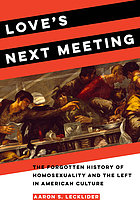
Aaron Lecklider
University of California Press (2023)
How queerness and radical politics intersected--earlier than you thought. Well before Stonewall, a broad cross section of sexual dissidents took advantage of their space on the margins of American society to throw themselves into leftist campaigns.
Sensitive already to sexual marginalization, they also saw how class inequality was exacerbated by the Great Depression, witnessing the terrible bread lines and bread riots of the era.
They participated in radical labor organizing, sympathized like many with the early prewar Soviet Union, contributed to the Republicans in the Spanish Civil War, opposed US police and state harassment, fought racial discrimination, and aligned themselves with the dispossessed
List of Illustrations Acknowledgments
Introduction: Deviant Politics
1. "Flaunting the Transatlantic Breeze": Sexual Dissidents on the Left
2. "After Sex, What?": Politicizing Sex on the Left
3. "To Be One with the People": Homosexuality and the Cultural Front
4. "If I Can Die under You": Homosexuality and Labor on the Left
5. "Socialism & Sex Is What I Want": Women, Gender, and Sexual Dissidence in the 1930s and 1940s
6. "Playing the Queers": Homosexuality in Proletarian Literature
7. "We Who Are Not Ill": Queer Antifascism
8. "The Secret Element of Their Vice": Deviant Politics in the Cold War List of Abbreviations Notes Index
How queerness and radical politics intersected in the era before Stonewall

Abby Budiman
The United States has more immigrants than any other country in the world. Today, more than 40 million people living in the U.S. were born in another country, accounting for about one-fifth of the world’s migrants. The population of immigrants is also very diverse, with just about every country in the world represented among U.S. immigrants.
Pew Research Center regularly publishes statistical portraits of the nation’s foreign-born population, which include historical trends since 1960. Based on these portraits, here are answers to some key questions about the U.S. immigrant population.
An article presenting and contexualizing Pew Research Center data on immigration to the U.S. in the past and present.
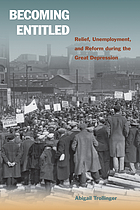
Abigail Trollinger
Temple University Press (2020)
"Becoming Entitled examines the Depression-era political and intellectual shifts that occurred at the city and state levels and ultimately enabled the passage of unemployment insurance in the United States, and the role played by local reformers and settlement leaders in bringing about these changes"-- Provided by publisher
examines the Depression-era political and intellectual shifts that occurred at the city and state levels and ultimately enabled the passage of unemployment insurance in the United States.
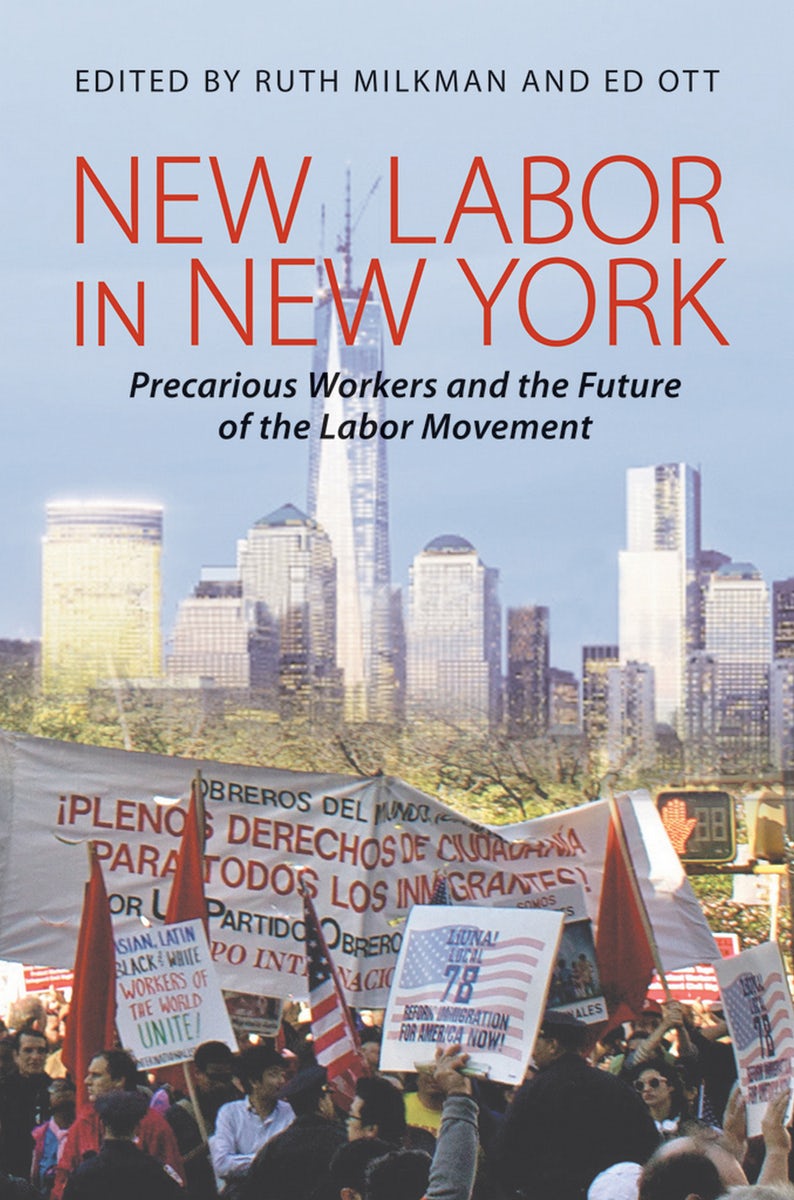
Adam D Mendelsohn
NYU Press (2014)
The majority of Jewish immigrants who made their way to the United States between 1820 and 1924 arrived nearly penniless; yet today their descendants stand out as exceptionally successful. How can we explain their dramatic economic ascent? Have Jews been successful because of cultural factors distinct to them as a group, or because of the particular circumstances that they encountered in America? This book argues that the Jews who flocked to the United States during the age of mass migration were aided appreciably by their association with a particular corner of the American economy: the rag trade. From humble beginnings, Jews rode the coattails of the clothing trade from the margins of economic life to a position of unusual promise and prominence, shaping both their societal status and the clothing industry as a whole. Comparing the history of Jewish participation within the clothing trade in the United States with that of Jews in the same business in England, this book demonstrates that differences within the garment industry on either side of the Atlantic contributed to a very real divergence in social and economic outcomes for Jews in each setting
Jewish influence in sewing trades
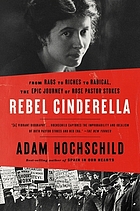
Adam Hochschild
Harper Collins (2020)
Hochschild tells the forgotten story of an immigrant sweatshop worker who married an heir to a great American fortune and became one of the most charismatic radical leaders of her time. Rose Pastor arrived in New York City in 1903, a Jewish refugee from Russia who had worked in cigar factories since the age of eleven. Two years later, she captured headlines across the globe when she married James Graham Phelps Stokes, scion of one of the legendary 400 families of New York high society. Together, this unusual couple joined the burgeoning Socialist Party and, over the next dozen years, moved among the liveliest group of activists and dreamers this country has ever seen. Their friends and houseguests included Emma Goldman, Big Bill Haywood, Eugene V. Debs, John Reed, Margaret Sanger, Jack London, and W.E.B. Du Bois. Rose stirred audiences to tears and led strikes of restaurant waiters and garment workers. She campaigned alongside the country's earliest feminists to publicly defy laws against distributing information about birth control, earning her notoriety as "one of the dangerous influences of the country" from President Woodrow Wilson. But in a way no one foresaw, her too-short life would end in the same abject poverty with which it began."-- From publisher description
story of an immigrant sweatshop worker who married an heir to a great American fortune and became one of the most charismatic radical leaders of her time.
Film/Video
Audio/Interview
Podcast/Program
Text/Document
Image
Graphs/Data
Timeline
Southwest
West
Midwest
Southeast
Northeast
Mexico
Canada
Global
Books
Teaching
Lectures
Digital Archives
Journals
Bibliographies
Topic Intro