


Collections
Library
Type
Region
Coverage:
-
Published:
-
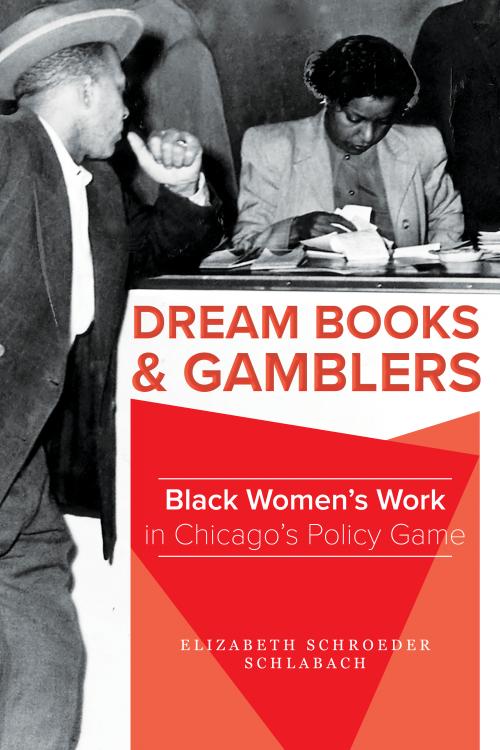
Elizabeth Schroeder Schlabach
Ubiquitous illegal lotteries known as policy flourished in Chicago's Black community during the overlapping waves of the Great Migration. Policy "queens" owned stakes in lucrative operations while women writers and clerks canvased the neighborhood, passed out winnings, and kept the books. Elizabeth Schroeder Schlabach examines the complexities of Black women's work in policy gambling. Policy provided Black women with a livelihood for themselves and their families. At the same time, navigating gender expectations, aggressive policing, and other hazards of the infromal economy led them to refashion ideas about Black womanhood and respectability. Policy earnings also funded above-board enterprises ranging from neighborhood businesses to philanthropic institutions, and Schlabach delves into the various ways Black women straddled the illegal policy business and reputable community involvement. Vivid and revealing, Dream Books and Gamblers tells the stories of Black women in the underground economy and how they used their work to balance the demands of living and laboring in Black Chicago"-- Provided by publisher
tells the stories of Black women in the underground economy and how they used their work to balance the demands of living and laboring in Black Chicago
Elizabeth Sprigs, History Matters
While some planters in the eighteenth-century Chesapeake began to build spacious mansions and rely on the labor of increasing numbers of white and black dependents, most white southerners lived in far humbler circumstances. In Maryland most small farmers were tenants, renting their land from larger landowners. Landless men and women worked as agricultural tenants, laborers, or domestic servants. Elizabeth Sprigs, a servant in a Maryland household, financed her passage from England in exchange for a term as an indentured servant (a frequent practice in the seventeenth century but more rare by the eighteenth). She wrote to her father in 1756 and complained bitterly of the brutal treatment by her master and the harsh privations of daily life, begging him to send clothing.
Elizabeth Sprigs' 1756 letter to her father in England, which details the harsh conditions she faced as an indentured servant in the Maryland colony's Chesapeake Bay region.

Elizabeth Tandy Shermer
It is widely understood that student loan assistance has inflated college tuition, student debt, and lender profits. Less often recognized is that these outcomes were intended. Elizabeth Tandy Shermer uncovers the history of federal student loans, showing that they were designed to appease constituencies opposed to affordable higher education.
uncovers the history of federal student loans, showing that they were designed to appease constituencies opposed to affordable higher education.
Elizabeth Tandy Shermer
Historian Elizabeth Tandy Shermer examines how Barry Goldwater and elite Phoenix businessmen used policy and federal funds to fashion a postwar "business climate," setting off an interstate competition for investment that transformed American politics
how Barry Goldwater and elite Phoenix businessmen used policy and federal funds to fashion a postwar "business climate,"
Ellen Cassedy
Ten office workers in Boston started out sitting in a circle and sharing the problems they encountered on the job. In a few short years, they had built a nationwide movement that united people of diverse races, classes, and ages. They took on the corporate titans. They leafleted and filed lawsuits and started a woman-led union. They won millions of dollars in back pay and helped make sexual harassment and pregnancy discrimination illegal. The women office workers who rose up to win rights and respect on the job transformed workplaces throughout America. And along the way came Dolly Parton's toe-tapping song and a hit movie inspired by their work
a first-hand account of 10 female office workers who started a nation-wide labor movement.
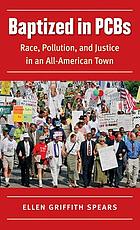
Ellen Griffith Spears
In the mid-1990s, residents of Anniston, Alabama, began a legal fight against the agrochemical company Monsanto over the dumping of PCBs in the city's historically African American and white working-class west side. Simultaneously, Anniston environmentalists sought to safely eliminate chemical weaponry that had been secretly stockpiled near the city during the Cold War. In this probing work, Ellen Griffith Spears offers a compelling narrative of Anniston's battles for environmental justice, exposing how systemic racial and class inequalities reinforced during the Jim Crow era played out in these intense contemporary social movements. Spears focuses attention on key figures who shaped Anniston--from Monsanto's founders, to white and African American activists, to the ordinary Anniston residents whose lives and health were deeply affected by the town's military-industrial history and the legacy of racism. Situating the personal struggles and triumphs of Anniston residents within a larger national story of regulatory regimes and legal strategies that have affected toxic towns across America, Spears unflinchingly explores the causes and implications of environmental inequalities, showing how civil rights movement activism undergirded Anniston's campaigns for redemption and justice.
causes and implications of environmental inequalities, showing how civil rights movement activism undergirded Anniston's campaigns for redemption and justice
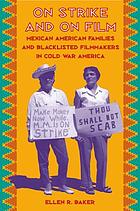
Ellen R. Baker
In 1950, Mexican American miners went on strike for fair working conditions in Hanover, New Mexico. When an injunction prohibited miners from picketing, their wives took over the picket lines — an unprecedented act that disrupted mining families but ultimately ensured the strikers' victory in 1952. In On Strike and on Film, Ellen Baker examines the building of a leftist union that linked class justice to ethnic equality. She shows how women’s participation in union activities paved the way for their taking over the picket lines and thereby forcing their husbands, and the union, to face troubling questions about gender equality.
Baker also explores the collaboration between mining families and blacklisted Hollywood filmmakers that resulted in the controversial 1954 film Salt of the Earth. She shows how this worker-artist alliance gave the mining families a unique chance to clarify the meanings of the strike in their own lives and allowed the filmmakers to create a progressive alternative to Hollywood productions. An inspiring story of working-class solidarity, Mexican American dignity, and women’s liberation, Salt of the Earth was itself blacklisted by powerful anticommunists, yet the movie has endured as a vital contribution to American cinema.
explores the collaboration between mining families and blacklisted Hollywood filmmakers that resulted in the controversial 1954 film Salt of the Earth.
Ellie D. Berger
The Canadian population is aging, bringing with it an increasing number of social and economic challenges. With the aging of the workforce, the reconceptualization of older workers and retirement, the increasing share of women in the labour force, the elimination of mandatory retirement, the fluctuating economy, and the changes to the pension system, barriers to employment for older workers, such as ageism, need to be of central concern.
Ageism at Work examines the subjective experiences of older workers in Canada and explores how they negotiate ageism and manage their interactions in the employment setting. Further, this book looks at the intersection between age and gender and the pervasiveness of gendered ageism in the labour market. Finally, this book examines employers' attitudes toward older workers quantitatively, while also exploring their firsthand accounts about them through qualitative inquiry.
Understanding how ageism plays out in the labour market, how it intersects with sexism, and its consequences on a personal level are critical to moving the discussion on discrimination and human rights forward in Canada."-- Provided by publisher
examines the subjective experiences of older workers in Canada and explores how they negotiate ageism and manage their interactions in the employment setting.
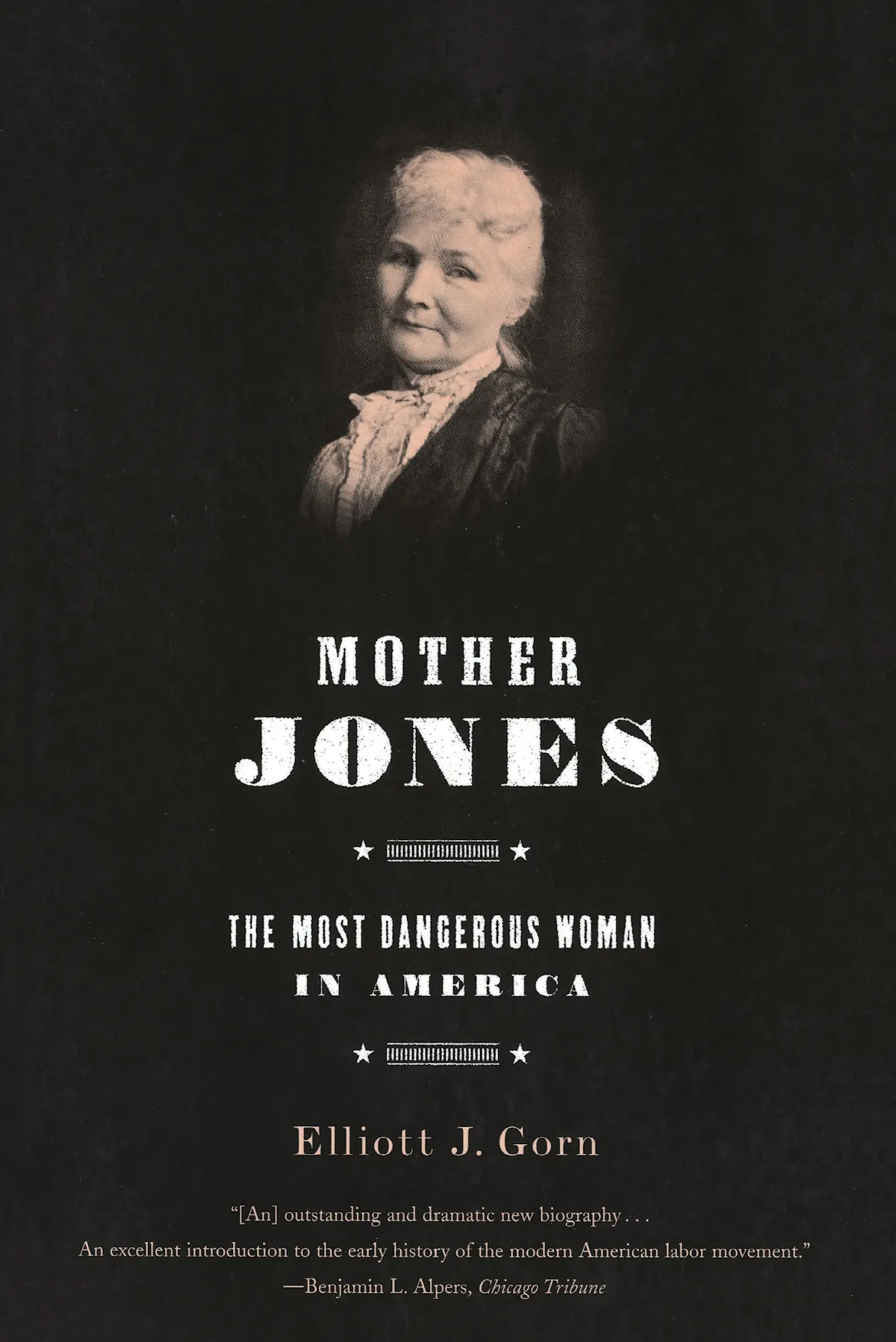
Elliott J. Gorn
Her rallying cry was famous: "Pray for the dead and fight like hell for the living." A century ago, Mother Jones was a celebrated organizer and agitator, the very soul of the modern American labor movement. At coal strikes, steel strikes, railroad, textile, and brewery strikes, Mother Jones was always there, stirring the workers to action and enraging the powerful. In this first biography of "the most dangerous woman in America," Elliott J. Gorn proves why, in the words of Eugene V. Debs, Mother Jones "has won her way into the hearts of the nation's toilers, and . . . will be lovingly remembered by their children and their children's children forever."
Gorn suggests that Jones, the most famous labor organizer of the early 20th century, became a cultural icon by inventing the personal of Mother Jones
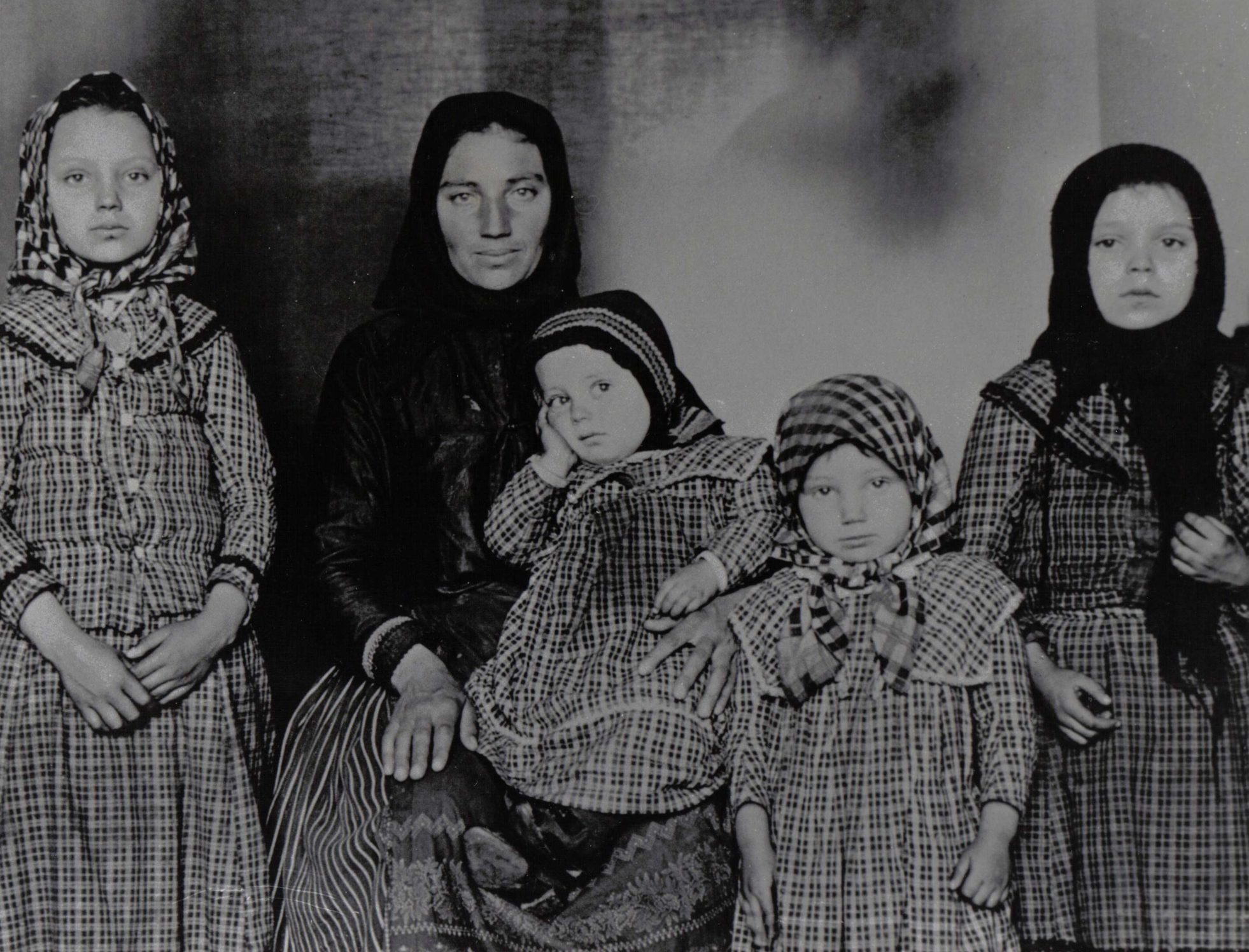
Ellis Island National Museum of Immigration
The project is one of the world’s largest and most diverse chronicles of the immigrant experience. It includes nearly 2,000 interviews from passengers, families, immigration officials, military personnel, detainees, and former island employees. The recordings are filled with tales of joy, sorrow, and hope, and cumulatively, they paint an expansive and complex picture of our ancestry and culture.
Available to researchers, students, educators, and the general public, the Oral History Project is a unique national totem, and an incredible resource for anyone interested in connecting with the voices that built America.
nearly 2,000 interviews from passengers, families, immigration officials, military personnel, detainees, and former island employees
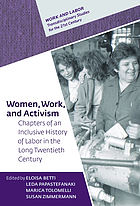
Eloisa Betti, Lēda Papastephanakē, Marica Tolomelli, Susan Zimmermann, eds.
"The thirteen critical and well-documented chapters of Women, Work and Activism examine women's labor struggle from late nineteenth-century Portuguese mutual societies to Yugoslav peasant women's work in the 1930s, and from the Catalan labor movement under the Franco dictatorship to workplace democracy in the United States.
The authors portray women's labor activism in a wide variety of contexts. This includes spontaneous resistance to masculinist trade unionism, the feminist engagement of women workers, the activism of communist wives of workers, and female long-distance migration, among others. The chapters address the gendered involvement of working people in multiple and often precarious and unstable labor relations and in unpaid labor, as well as the role of the state and other institutions in shaping the history of women's labor.
CONTENTS: Introduction. Thinking the History of Women’s Activism into Global Labor History Eloisa Betti, Leda Papastefanaki, Marica Tolomelli, and Susan Zimmermann
PART I. TOWARD INCLUSIVE FRAMINGS: WOMEN's LABOR ACTIVISM IN MEN- AND WOMEN-DOMINATED CONTEXTS
Women in the Mutual Societies of Portugal from the End of the Nineteenth Century to the 1930s Virgínia Baptista and Paulo Marques Alves
The Female Staff in the PTT International between Trade Unionism and Feminism from the Early Twentieth Century to the Interwar Period Laura Savelli
Women and the Labor Movement under a Dictatorship: Comisiones Obreras (Workers’ Commissions) in Greater Barcelona during Franco’s Dictatorship and the Transition to Democracy (1964–1981) Nadia Varo Moral
“Traditionally Reserved for Men”: Australian Trade Unions and the 1970s Working Women’s Campaign for Liberation Diane Kirkby, Lee-Ann Monk, and Emma Robertson
PART II. WOMEN IN MOTION: RETHINKING AGENCY AND ACTIVISM AT THE WORKPLACE AND BEYOND
The Strike, the Household, the Gendered Division of Labor, and International Networks: Women Auxiliaries and the Ship Repair Workers’ Strike (Genoa, 1955)
Marco Caligari “In Order to Safeguard the Lives of Our Children and Families”: Resistance and Protest of Women Workers in the Greek Tobacco Industry, 1945–1970 Thanasis Betas
Inside the Factory, Outside the Party-state: The Agency of Yugoslav Women Workers in Late Socialism (1976–1989) Rory Archer
Work and the Politics of the Injured Body: Nurse Activism, Occupational Risk, and the Politics of Care in the United States Elizabeth Faue
PART III. HOW THE PERSONAL REVEALS THE POLITICAL: WOMEN ACTIVISTS BIOGRAPHIES AND BEYOND Women Activists’ Relationship to Peasant Women’s Work in Yugoslavia in the 1930s Isidora Grubački
Women in the Trade Union Movement and Their Biographies: The Camera del Lavoro (Chamber of Labor) in Milan (1945–1965) Debora Migliucci French Trade Unionists Go International: The Circulation of Ideas on the Education and Training
examines women's labor struggle from late nineteenth-century Portuguese mutual societies to workplace democracy in the United States.
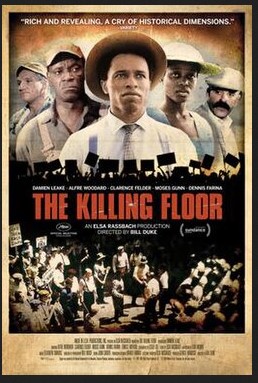
Elsa Rassbach
Based on historical characters, and well-researched, the story of the effort to create an interracial packinghouse union in Chicago is a compelling story and includes memorable scenes. You can find it for free sometimes but rental for 2.99 as well on many platforms. One of the best for teaching with 1919 race riot.
The Killing Floor tells the struggle to build an interracial labor union in the Chicago Stockyards, tracing the racial and class conflicts in the city’s giant slaughterhouses that boiled over in the Chicago Race Riot in 1919.

Emilio Zamora
The twentieth century brought industrialization to Texas cities. For Mexican workers in the state, this meant worsening economic conditions, widespread discrimination, and an indifferent or at times hostile Anglo labor movement. Faced with such challenges, Mexicans often looked to each other or toward Mexico for support and inspiration in building a largely autonomous, occasionally trans-border labor movement. In this first book-length examination of the earliest organized efforts by Mexican-origin workers in Texas, Emilio Zamora challenges the usual, stereotypical depiction of Mexican workers as passive and hard to organize. Instead, working within the framework of the "new labor history," he looks beyond the conventional focus on trade unionism and collective bargaining to encompass the broader social experiences and culture of Mexicans as a national minority and a repressed segment of the working class. Through extensive use of Spanish-language archives in Mexico and the United States, Zamora examines workers' independent organizations - including mutual aid societies and cooperatives that functioned as unions - as well as spontaneous informal actions, including strikes, by Texas Mexican workers. He portrays the gradual yet increasing integration of those organizations into the mainstream labor movement and examines labor solidarity across ethnic lines. In addition, he discusses the special role Mexican labor played in bridging labor struggles across the international border and in challenging racial exclusion on the job in the predominantly Anglo labor federations and in the broader institutional life of South Texas. Although the early efforts at inter-ethnic unity failed to materialize fully, Zamora concludes, they nevertheless provided a legacy that tells much about the minority position of the Mexican community, the impressive organizing activity and bid for incorporation of Mexican workers, and the ambivalent response by organized and unorganized Anglo workers1. Discrimination and Inequality in the Towns and Countryside
2. Race and Work on the Farms and in the Cities
3. Mobilizing the Mexican Response
4. Voluntary Organizations and the Ethic of Mutuality: Expressions of a Mexicanist Political Culture
5. Unionism on the Border: Federal Labor Union No. 11953, 1905-1907
6. Socialists and Magonistas in the Cotton Belt, 1912-16
7. The AFL Opens a Door
8. The Mexican Worker in a Changing World
looks beyond conventional focuses of trade unionism and collective bargaining to encompass the broader social experiences and culture of Mexicans as a national minority and a repressed segment of the working class.
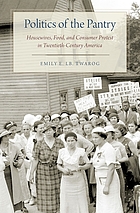
Emily E. LB Twarog
Politics of the Pantry is a study of how American housewives used their identity to protest the high cost of food. It argues that women's involvement in labor politics needs to be seen not just in industry but also as consumer protest
American housewives used their identity to protest the high cost of food

Emily West
This exhibit (more a digital essay with accompanying photos) explores the history of Black women in the American South from the Antebellum era to the Reconstruction era. Focusing on the experiences of enslaved women in the South Carolina and Georgia Lowcountry in both rural and urban contexts, the exhibit examines African American women’s labor, interconnected relationships, and cultural practices. It reveals the types of violence they were subjected to as well as the joys and triumphs they created for themselves. By exploring the history of slavery through the lens of gender, Hidden Voices illuminates African American women’s specific experiences and contributions. Published December 2020.
An illustrated essay about enslaved women in Lowcountry Digital Library at the College of Charleston
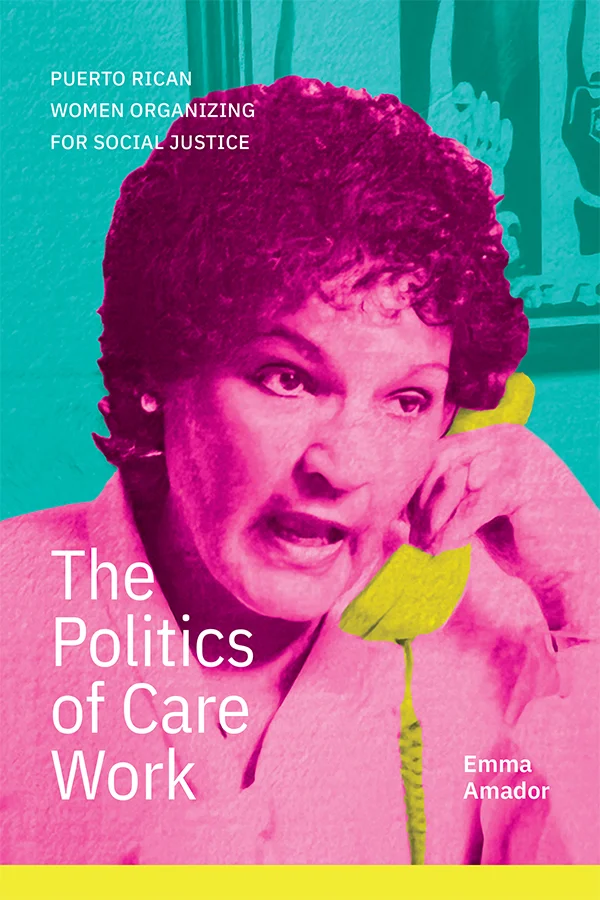
Emma Amador
In The Politics of Care Work, Emma Amador tells the story of Puerto Rican women’s involvement in political activism for social and economic justice in Puerto Rico and the United States throughout the twentieth century.
Amador focuses on the experiences and contributions of Puerto Rican social workers, care workers, and caregivers who fought for the compensation of reproductive labor in society and the establishment of social welfare programs. These activists believed conflicts over social reproduction and care work were themselves high-stakes class struggles for women, migrants, and people of color.
In Puerto Rico, they organized for women’s rights, socialism, labor standards, and Puerto Rican independence. They continued this work in the United States by advocating for migrant rights, participating in the civil rights movement, and joining Puerto Rican-led social movements. Amador shows how their relentless efforts gradually shifted the field of social work toward social justice and community-centered activism. The profound and enduring impact of their efforts on Puerto Rican communities underscores the crucial role of Puerto Rican women’s caregiving labor and activism in building and sustaining migrant communities.
Introduction 1
Part I. Making Care Count in Puerto Rico
1. Women Building Social Welfare Programs in Puerto Rico after 1917 31
2. Labor, Welfare, and Gendered Citizenship in New Deal Puerto Rico 62
3. Working-Class Women, Claims for Benefits, and the Politics of Deservingness under the Puerto Rican Populist State 94
Part II. Care Work and Women’s Activism in the Puerto Rican Diaspora 129
4. Care Workers, Household Labor Organizing, and Puerto Rican Migration after 1944 131
5. Women’s Leadership in Struggles over Welfare, Citizenship Rights, and Decolonization in the Puerto Rican Diaspora 156
6. Community Organizers, Civil Rights Activism, and Demands for Care in Puerto Rican Communities in the United States 186
Epilogue. Envisioning Caring Futures 214
Puerto Rican women’s involvement in political activism for social and economic justice in Puerto Rico and the United States throughout the twentieth century.
Emma Goldman, History Matters
Emma Goldman Recounts the Attempt to Assassinate the Chairman of the Carnegie Steel Company
During the: Homestead Strike in 1892, Henry Clay Frick, chairman of the Carnegie Steel Company, was demonized by labor for his role in the violent Homestead strike in 1892 in which a pitched battle was fought between strikers and company-hired Pinkerton detectives. Known for his uncompromising and cruel tactics, Frick became an obvious target for labor activists looking to make a statement during the protracted strike. In this excerpt from her autobiography, Living my Life, radical Emma Goldman described how fellow radical Alexander Berkman decided to murder Frick during the Homestead strike.
Excerpt from Emma Goldman's account of the attempt to assassinate Henry Frick during the Homestead 1892 lockout.
Emma Jean Keys, Lena Smith, History Matters
In the early 20th century, large-scale commercial agriculture displaced family farms, tenant farmers, and sharecroppers. Hand labor, however, remained more cost effective for harvesting certain fruits and vegetables. Farmworkers under this new system were hired only for seasonal work and had to travel frequently.
The migratory experience left these workers - primarily Mexicans, Mexican Americans, African Americans, Puerto Ricans, and Filipinos - permanent outsiders and vulnerable to exploitation, low wages, and wretched working and living conditions.
The National Labor Relations Act of 1935 established rights of industrial workers to unionize. The Act omitted farmworkers, though, due in part to fears that the powerful farm growers’ lobby would prevent passage. Organized efforts by unions and others to rescind the exemption failed in subsequent years.
In the 1960s, the United Farm Workers of America (UFW), led by Cesar Chavez, started a strike and boycott of table grapes that gained nationwide support. Although California enacted the first state legislation to protect farm labor union organizing in 1975, other states did not follow, and many union gains in California have since been lost.
In the following testimony from a 1969 Senate hearing, two migrant African-American farmworkers from North Carolina presented their version of a strike. Since 1970, fresh fruit consumption in the U.S. has risen sharply increasing the demand for hand labor. Living and working conditions for migrants remain poor in much of the country.
In 1969, two migrant African-American farmworkers from North Carolina presented their version of a strike.
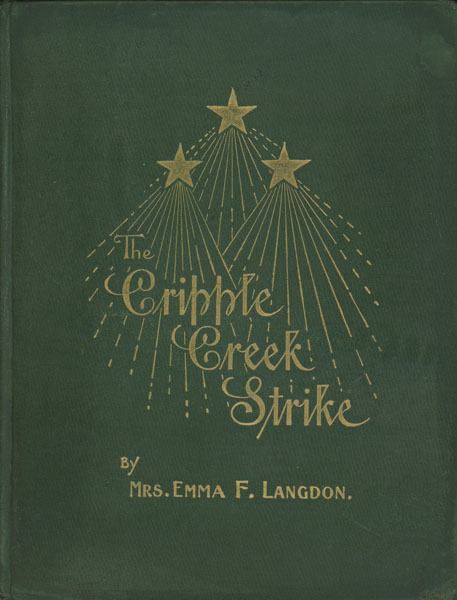
Emma Langdon, History Matters
The Cripple Creek Strike: A History of Industrial Wars in Colorado, 1903-4-5; Being a Complete and Concise History of the Efforts of Organized Capital to Crush Unionism, 1904 (by Emma Florence Langdon): Emma F. Landon's strikingly comprehensive account of the Colorado Labor Wars, covering several strikes and events that culminated in the WFM's eventual victory. Langdon's work is notable as a contemporary piece for several reasons, not least of which includes several illustrations and images, Langdon's own experiences as a leader in the Typographical Union and founding member of the Industrial Workers of the World, her own efforts to resist corporate attempts at suppressing the WFM strike, and finally a chapter dedicated by John Calderwood which stands as a rare first person account of the 1894 Cripple Creek strike (Part I, Ch. 8).
Emma F. Landon's strikingly comprehensive account of the Colorado Labor Wars
Encyclopedia of Chicago, Hull House
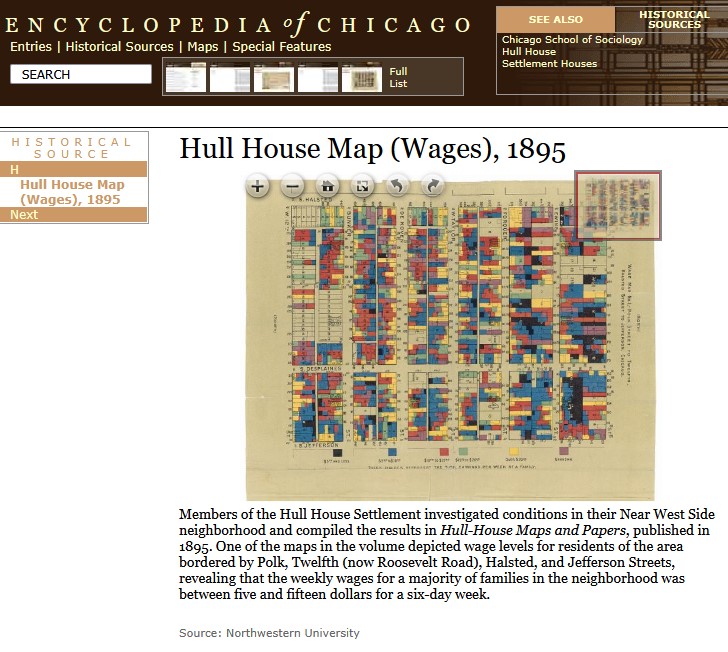
Members of the Hull House Settlement investigated conditions in their Near West Side neighborhood and compiled the results in Hull-House Maps and Papers, published in 1895.
One of the maps in the volume depicted wage levels for residents of the area bordered by Polk, Twelfth (now Roosevelt Road), Halsted, and Jefferson Streets, revealing that the weekly wages for a majority of families in the neighborhood was between five and fifteen dollars for a six-day week.
1895 Hull-House map showing the weekly wages for a majority of families in the neighborhood between five and fifteen dollars for a six-day week.
Endicott-Johnson, History Matters
"A 1923 billboard advertisement for Endicott-Johnson shoes touted employee satisfaction as an important feature of the product. Company president George F. Johnson was a leading proponent of “welfare capitalism,” or providing generous benefits to employees as a way to forestall high turnover and labor unrest. As part of this philosophy, Johnson paid the highest wages in the shoe industry, instituted an eight-hour day, and provided medical care for employees and their families. Although he believed generally that trade unions were necessary for redressing unfair labor practices, Johnson opposed the organization of workers in his own factories."
A 1923 billboard advertisement for Endicott-Johnson shoes, shows aspirations and desires of welfare capitalism
Equal Rights Party
Editor’s Note: This Jefferson-inspired declaration was composed in 1836 in Utica, New York, where a convention of mechanics, farmers, and working men was held and led to the creation of the Equal Rights Party (also known as Loco-Foco), a segment of the Democratic party.
A declaration of rights written for New York's so-called "Locofoco" faction of the Democratic Party, which succeeded the Working Men's Party after its collapse.
Erasmo Gamboa
Desperate for laborers to keep the trains moving during World War II, the U.S. and Mexican governments created a now mostly forgotten bracero railroad program that sent a hundred thousand Mexican workers across the border to build and maintain railroad lines throughout the United States, particularly the West. Although both governments promised the workers adequate living arrangements and fair working conditions, most bracero railroaders lived in squalor, worked dangerous jobs, and were subject to harsh racial discrimination. Making matters worse, the governments held a percentage of the workers' earnings in a savings and retirement program that supposedly would await the men on their return to Mexico. However, rampant corruption within both the railroad companies and the Mexican banks meant that most workers were unable to collect what was rightfully theirs. Historian Erasmo Gamboa recounts the difficult conditions, systemic racism, and decades-long quest for justice these men faced. The result is a pathbreaking examination that deepens our understanding of Mexican American, immigration, and labor histories in the twentieth-century U.S. West
A history of a forgotten Bracero program in which Mexican laborers were contracted to upkeep American railroads
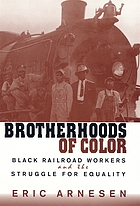
Eric Arnesen
Explores the efforts of African American porters, locomotive firemen, brakemen, waiters, and other railroad workers to battle the racism and job discrimination that affected their employers, co-workers, and unions that represented them
Explores the efforts of African American railroad workers to battle the racism and job discrimination that affected their employers, co-workers, and unions that represented them.
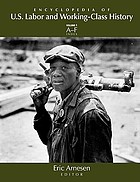
Eric Arnesen
The Encyclopedia of U.S. Labor and Working Class History provides sweeping coverage of U.S. labor history. Containing over 650 entries, the Encyclopedia encompasses labor history from the colonial era to the present. Articles focus on states, regions, periods, economic sectors and occupations, race-relations, ethnicity, and religion, concepts and developments in labor economics, environmentalism, globalization, legal history, trade unions, strikes, organizations, individuals, management relations, and government agencies and commissions. Articles cover such issues as immigration and migratory labor, women and labor, labor in every war effort, slavery and the slave-trade, union-resistance by corporations such as Wal-Mart, and the history of cronyism and corruption, and the mafia within elements of labor history. Labor history is also considered in its representation in film, music, literature, and education. Important articles cover the perception of working-class culture, such as the surge in sympathy for the working class following September 11, 2001. Written as an objective social history, the Encyclopedia encapsulates the rise and decline, and continuous change of US labor history into the twenty-first century
Containing over 650 entries, it encompasses labor history from the colonial era to the present.
Museum/Exhibits
Tours
Maps
Digital Projects
Organizations
Sites
Film/Video
Audio/Interview
Podcast/Program
Text/Document
Image
Graphs/Data
Timeline
Southwest
West
Midwest
Southeast
Northeast
Mexico
Canada
Global
Books
Teaching
Lectures
Digital Archives
Journals
Bibliographies
Topic Intro