


Collections
Library
Type
Region
Coverage:
-
Published:
-
Georgia State University Library
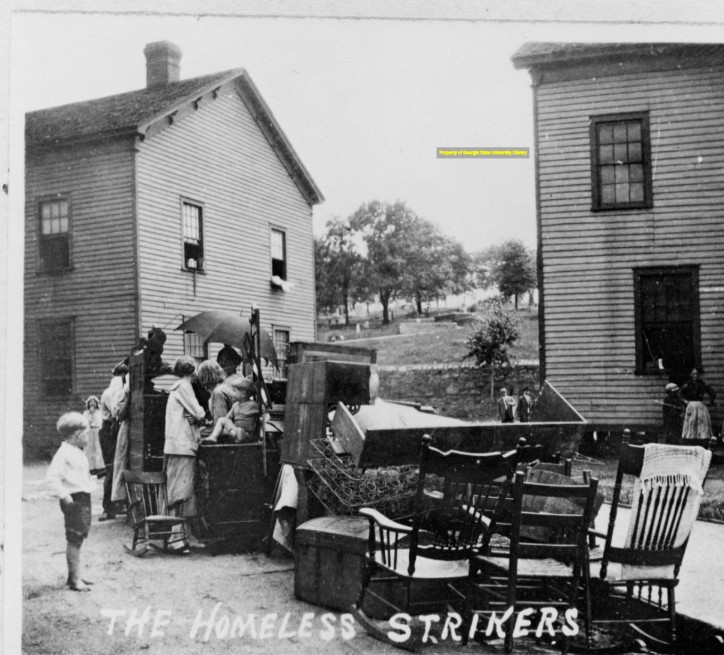
143 digitized items from scrapbook, images of child labor, strikebrakers
143 digitized items from scrapbook, images of child labor, strikebrakers

Georgia State University Library
The records of the National Domestic Workers Union (NDWU) contain correspondence, legal and financial documents, minutes, printed material, photographs, and one artifact. Among the correspondents are Julian Bond, Sam Nunn, Herman Talmadge, Andrew Young, and other Georgia and national political figures. The voluminous Subject Files cover topics such as NDWU's involvement in the black community the Manpower Program, the Career Learning Center, the Homemaking Skills Program, the Metropolitan Atlanta Rapid Transit Authority, the U.S. Department of Health, Education and Welfare (HEW), the Secretary's Advisory Committee on the Rights and Responsibilities of Women of HEW, and WIGO radio station in Atlanta. The Financial documents include budges and time sheets from Equal Opportunity Atlanta, which funded many of NDWU's programs, the Minutes pertain to the NDWU and also to some of the committees on which ms. Bolden Served, Such as the Citizen's Advisory Committee on Transportation, the Secretary's Advisory Committee on the Rights and Responsibilities of Women, and WIGO radio station. Proclamations, resolutions, and most of the seventy-two photographs relate to "Maids Honor Day." One artifact, the NDWU seal, completes the collection.
226 images of National Domestic Workers Union Rcecords, 1968-1980

Georgia State University Library
The records of the Professional Air Traffic Controllers Organization, 1968-1985, include minutes, resolutions, subject and chronological files, correspondence, reports, newspaper clippings, legal files, contracts, press releases, grievances, arbitration, and printed materials. The records reflect the organization's efforts to improve the working conditions of air traffic controllers, their wages and pension plans, and to obtain shorter work hours.
The records of the Professional Air Traffic Controllers Organization, 1968-1985

Georgia State University Library
PATCO STRIKE OF 1981: Students in Support of Curriculum
Developed by Melanie L. Maxwell, Georgia State University Library, 20121
PEDAGOGICAL NARRATIVE
The 1981 strike of the Professional Air Traffic Controllers Organization (PATCO) is an access point for
instructors teaching labor relations in the United States. The PATCO strike and its repercussions are
considered a turning point in labor history where unions became more and more reluctant to use a
strike as a negotiation tool, and employers began hiring permanent replacement workers for strikers as
normal procedure.2 The disbandment of the PATCO union by Ronald Reagan and his administration
continues to influence the labor sphere to this day. For example, it was often cited during the 2011
collective bargaining dispute in Wisconsin between public employees and Governor Scott Walker.3
Students will be asked to think critically about the PATCO strike, taking into context the political and
economic climate of the time in conjunction with the working conditions of air traffic controllers, and
apply that knowledge to contemporary labor events.
Lesson Plans and step-by-step guide to using PATCO records to understand a pivotal moment in US Labor HIstory
Georgia State University Library
The Professional Air Traffic Controllers Organization (PATCO) was formed in 1968 to represent the interests of federally employed air traffic controllers. Their objectives were to promote the profession; to improve working conditions for air traffic controllers within the United States, its territories, and possessions; and to represent members in dealing with the Federal Aviation Administration (FAA) concerning grievances, personnel policies, and practices. In 1981, though as federal employees it was illegal for them to do so, PATCO members went on strike. Over 11,000 controllers were subsequently dismissed. The Professional Air Traffic Controllers Organization (PATCO) was formed in 1968 to represent the interests of federally employed air traffic controllers. Their objectives were to promote the profession; to improve working conditions for air traffic controllers within the United States, its territories, and possessions; and to represent members in dealing with the Federal Aviation Administration (FAA) concerning grievances, personnel policies, and practices. In 1981, though as federal employees it was illegal for them to do so, PATCO members went on strike. Over 11,000 controllers were subsequently dismissed. Series I: President's Files, 1968-1982
Series II: Vice President's Files, 1972-1982
Series III: Regional Vice President's Files, 1968-1978
Series IV: Director's Files, 1960-1982
Series V: Strike Files, 1972-1985
Series VI: Central Office Files, 1967-1984
Series IX: Conventions, 1969-1981
Series XI: Regions and Locals, 1968-1982
Series XV: Publications, 1968-1985
2,706 images related to the Professional Air Traffic Controllers, and the ensuing 1981 strike which the Reagan administration crushed
Georgia State University Library
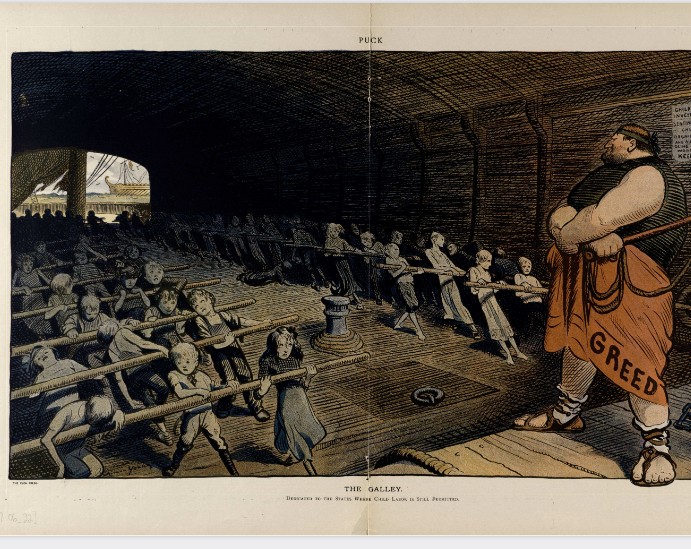
87 items including art, illustrations, broadsides
87 items including art, illustrations, broadsides
Georgia State University Library
65 items including art, illustrations, broadsides
65 items including art, illustrations, broadsides

Georgia State University Library
almost 6000 items from the Southern Labor Archives
Georgia State University's Southern Labor Archives The Southern Labor Archives is the official repository for hundreds of local and regional union offices, as well as the national offices of the IAM, National Federation of Federal Employees, United Garment Workers of America, United Furniture Workers of America, PATCO, and the United Textile Workers of America as well as many other union offices and state federations of labor, including the Georgia AFL-CIO.
Voices of Labor: The Voices of Labor Oral History Collection gathers the stories of key figures in the local, state, and regional labor movement. The Southern Labor Archives continues to seek subjects. Please contact Special Collections and Archives if you would like to recommend an interviewee or if you are interested in being interviewed yourself.
19th and 20th Century Labor Prints Collection: This collection includes cartoons, realistic illustrations, and photographic reproductions that depict workers, unions, strikes, and labor leaders. Most of the prints are from such publications as Harper's Weekly, Puck, and Frank Leslie's Illustrated Newspaper, and include works by important cartoonists including Thomas Nast, Joseph Ferdinand Keppler, and Frederick Burr Opper.
African Americans in Transportation Oral History Project: This oral history project includes interviews with African-Americans who have worked in various capacities in the transportation industry, including retired air traffic controllers, a pilot, an Amtrak administrator, and a former staffer of the FAA's Rulemaking department.
French, Chapman Johnston, 1880-1964 (286)
Mississippi AFL-CIO (161)
American Federation of Labor (145)
Christopher, Paul R., 1910-1974 (122)
Mississippi State AFL-CIO (89)
AFL-CIO. Committee on Political Education (65)
International Association of Machinists (61)
AFL-CIO (45)
O'Neal, Tracy (44)
and many more
6000 items from the Southern Labor Archives including a vast number of oral histories

Georgia State University Library
This collection consists of the records of the United Garment Workers of America from 1893-1994. There are over 1600 digitized items. Includes The Time and Motion Studies series (Series I) is made up of time study/ time and motion research files for the garment industry, as well as files relating to industry research and information from the first half of the twentieth century. Series II, Contracts, consists of union labor contracts, working contracts, and related correspondence. Office files relating to the functioning of the UGWA's central headquarters are found in Series III. Also included in this series are label ledgers dating mainly from the first half of the twentieth century, and minutes of the General Executive Board's meetings, which cover much of the period of the union's activity. Series IV contains local union files, including financial files, grievances, correspondence, agreements and minutes. Publications, photographs, an audio tape, oversize materials, and index card files are found in Series V through VIII.
Digitization of the United Garment Workers of America Records was funded in part through the Archives Unbound program by Gale Primary Sources.
Items in this collection may be protected by copyright. Items may be used for scholarship, educational, and personal use. Additional uses will require permission of the rights holder.
records of the United Garment Workers of America from 1893-1994
Georgia State University Library
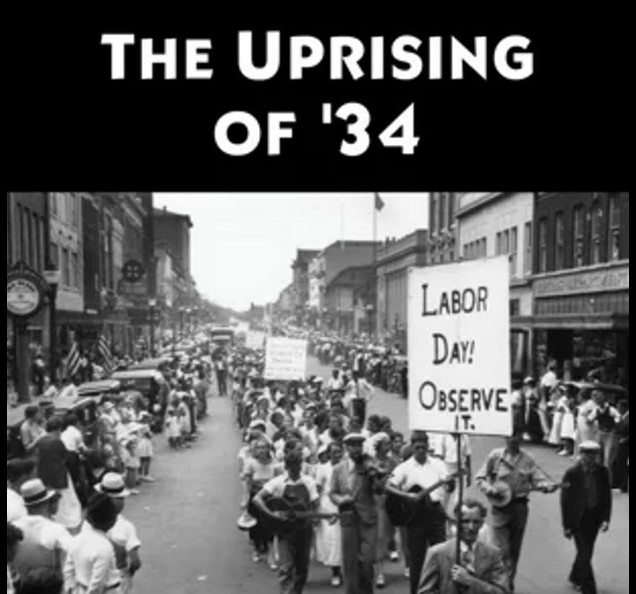
The General Textile Strike of 1934 was one of the largest labor strikes in the history of the United States. Half a million workers walked off their jobs in cotton mills across the South and up the Eastern seaboard, leading some company bosses to respond with violence. Some strikers were killed, others were imprisoned, and nearly all strikers were blacklisted and prevented from returning to work in the textile industry. The effects of the strikes and their consequences lingered in some communities for generations.
The Uprising of '34 is a documentary film, released in 1995, that tells the story of the General Textile Strike from the perspective of those who experienced it firsthand. During the film's production, over 300 hours of interviews were conducted with former mill workers, their children and grandchildren, labor organizers, mill owners, and others who experienced or were affected by the strikes. The recorded interviews are held in Georgia State University Library's Special Collections and Archives.
The National Historical Publications and Records Commission awarded Georgia State University Library a grant in the amount of $121,418 to digitize, transcribe, and make available online all of the interviews, which previously existed only in obsolete audiovisual formats. The digitized interviews are presented here using the Oral History Metadata Synchronizer (OHMS), and open-source software tool designed to make the content of an online oral history more discoverable.
300 hours of interviews available from the acclaimed Uprising of '34 documentary about the General Textile Strike of 1934.
Georgia State University, Mississippi State AFL-CIO
The photographs and sound recordings in this collection have been digitized. The entire collection (not all digitized) consists of the records of the Mississippi AFL-CIO and its predecessor, the Mississippi State Federation of Labor from 1947-1986.
The collection includes President Claude Ramsay's correspondence (1959-1986); files relating to affiliated unions (1957-1983); records relating to the Congress of Industrial Organization and the AFL-CIO (1952-1985); material relating to Ramsay's interest in and involvement with local, state, and national government agencies (1960-1983); and subject files relating to a myriad of topics from national politics to local unions. The collection also contains a substantial collection of photographs relating to labor union activity.
The entire collection (not all digitized) consists of the records of the Mississippi AFL-CIO and its predecessor, the Mississippi State Federation of Labor from 1947-1986. Digitized items include photographs and sound recordings of conventions, deliberations over issues. Robust digial collection

Georgia State University, North Carolina State AFL-CIO
Sound recordings and other items from the collection
Sound recordings and other items from the collection
Georgia State, M. H. Ross,
3500 digitized items primarily concerned with coal mining. Myron Howard "Mike" Ross was born November 9, 1919 in New York City. He dropped out of school when he was seventeen and moved to Texas, where he worked on a farm. From 1936 until 1939, Ross worked in a bakery in North Carolina. In the summer of 1938, he attended the Southern School for Workers in Asheville, North Carolina. During the fall of 1938, Ross would attend the first Southern Conference on Human Welfare in Birmingham, Alabama. He would attend this conference again in 1940 in Chattanooga, Tennessee.
From 1939 to 1940, Ross worked for the United Mine Workers Non-Partisan League in North Carolina, working under John L. Lewis. He was hired as a union organizer by the United Mine Workers of America, and sent to Saltville, Virginia and Rockwood, Tennessee. In 1940, Ross ran for a seat on city council on the People's Platform in Charlotte, North Carolina. During this time, he also married Anne "Buddie" West of Kennesaw, Georgia. From 1941 until 1945, Ross served as an infantryman for the United States Army. He sustained injuries near the Battle of the Bulge in the winter of 1944.
From 1945 until 1949, Ross worked for the International Union of Mine, Mill and Smelter Workers, then part of the Congress of Industrial Organizations (CIO), as a union organizer. He was sent to Macon, Georgia, Savannah, Georgia and to Winston-Salem, North Carolina, where he worked with the United Furniture Workers Union. He began handling arbitration for the unions. In 1948, Ross ran for United States Congress on the Progressive Party ticket in North Carolina. He also served as the secretary for the North Carolina Progressive Party.
Ross attended the University of North Carolina law school from 1949 to 1952. He graduated with honors but was denied the bar on the grounds of "character." From 1952 until 1955, he worked for the Mine, Mill and Smelter Workers as a union organizer, first in New Mexico (potash mines) and then in Arizona (copper mines).
From 1955 to 1957, Ross attended the Columbia University School of Public Health. He worked for the United Mine Workers of America Welfare and Retirement Fund from 1957 to 1958, where he represented the union in expenditure of health care for mining workers. By 1958, Ross began plans for what would become the Fairmont Clinic, a prepaid group practice in Fairmont, West Virginia, which had the mission of providing high quality medical care for miners and their families. From 1958 until 1978, Ross served as administrator of the Fairmont Clinic.
As a result of this work, Ross began researching coal mining, especially coal mining lifestyle, heritage and history of coal mining and disasters. He would interview over one hundred miners (coal miners). Eventually, Ross began writing a manuscript about the history of coal mining.
Working for the Rural Practice Program of the University of North Carolina from 1980 until 1987, Ross taught in the medical school. M. H. Ross died on January 31, 1987 in Chapel Hill, North Carolina.
Myron Howard "Mike" Ross was born November 9, 1919 in New York City. He dropped out of school when he was seventeen and moved to Texas, where he worked on a farm. From 1936 until 1939, Ross worked in a bakery in North Carolina. In the summer of 1938, he attended the Southern School for Workers in Asheville, North Carolina. During the fall of 1938, Ross would attend the first Southern Conference on Human Welfare in Birmingham, Alabama. He would attend this conference again in 1940 in Chattanooga, Tennessee.
From 1939 to 1940, Ross worked for the United Mine Workers Non-Partisan League in North Carolina, working under John L. Lewis. He was hired as a union organizer by the United Mine Workers of America, and sent to Saltville, Virginia and Rockwood, Tennessee. In 1940, Ross ran for a seat on city council on the People's Platform in Charlotte, North Carolina. During this time, he also married Anne "Buddie" West of Kennesaw, Georgia.
From 1941 until 1945, Ross served as an infantryman for the United States Army. He sustained injuries near the Battle of the Bulge in the winter of 1944.
From 1945 until 1949, Ross worked for the International Union of Mine, Mill and Smelter Workers, then part of the Congress of Industrial Organizations (CIO), as a union organizer. He was sent to Macon, Georgia, Savannah, Georgia and to Winston-Salem, North Carolina, where he worked with the United Furniture Workers Union. He began handling arbitration for the unions.
In 1948, Ross ran for United States Congress on the Progressive Party ticket in North Carolina. He also served as the secretary for the North Carolina Progressive Party.
Ross attended the University of North Carolina law school from 1949 to 1952. He graduated with honors but was denied the bar on the grounds of "character." From 1952 until 1955, he worked for the Mine, Mill and Smelter Workers as a union organizer, first in New Mexico (potash mines) and then in Arizona (copper mines).
From 1955 to 1957, Ross attended the Columbia University School of Public Health. He worked for the United Mine Workers of America Welfare and Retirement Fund from 1957 to 1958, where he represented the union in expenditure of health care for mining workers. By 1958, Ross began plans for what would become the Fairmont Clinic, a prepaid group practice in Fairmont, West Virginia, which had the mission of providing high quality medical care for miners and their families. From 1958 until 1978, Ross served as administrator of the Fairmont Clinic.
As a result of this work, Ross began researching coal mining, especially coal mining lifestyle, heritage and history of coal mining and disasters. He would interview over one hundred miners (coal miners). Eventually, Ross began writing a manuscript about the history of coal mining.
Working for the Rural Practice Program of the University of North Carolina from 1980 until 1987, Ross taught in the medical school. M. H. Ross died on January 31, 1987 in Chapel Hill, North Carolina.
3500 digitized items from Myron H. Ross, a prominent UMWA and CIO organizer
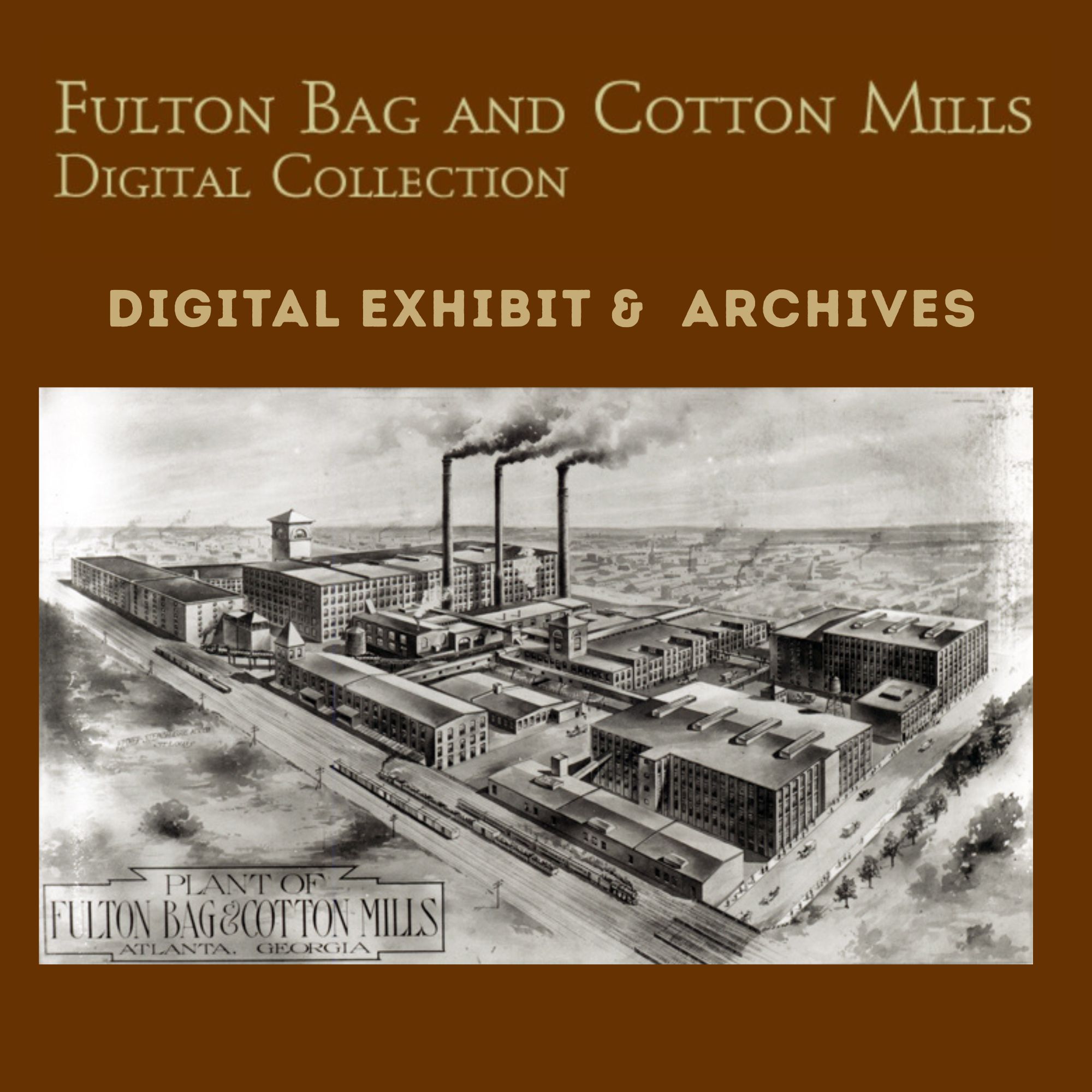
Georgia Tech Archives & Records Management
Founded in Atlanta during the late 1860s, the Fulton Bag and Cotton Mills operated under the management of Jacob Elsas and his descendants for more than a century. The processed portion of this collection, which is divided into three series, documents the business activities and concerns of management and workers in the Atlanta mill during the early twentieth century.
Materials hard to navigate, not searchable, and is an old site. We have not compared it to the Collection available from Georgia State University
Materials relating specifically to the 1914-1915 strike in Atlanta include the correspondence of Oscar Elsas, transcripts of testimonies given before the U.S. Commission on Industrial Relations, and a group of operative reports. Correspondence and operative reports also provide some documentation of union activities and working conditions at other Fulton Bag mills, particularly those in St. Louis, Brooklyn, Dallas, and New Orleans.
The Fulton Bag records include very little in the way of executive correspondence. However, the one cache of executive material that did find its way into the archive is the most remarkable sub-set of the collection: approximately five linear feet of correspondence to and from Oscar Elsas, president of the firm between 1913 and 1923. Approximately two thirds of the material relates to the strike at Fulton Bag in 1914-15 and to other aspects of labor relations in the period 1913-15. The balance of the material relates to labor relations at Fulton Bag's Atlanta mill and its branch houses in Dallas, New Orleans, New York and St. Louis in the period 1918-23.
dozens of documents from the Fulton Bag and Cotton Mills of Atlanta, GA in an exhibit form

Gerald Friedman
Economist Gerald Friedman, in an astute comparative study of the evolution of labor movements in the United States and France in the period from 1876 to 1914, illuminates not only the distinctive turns to syndicalism in France and craft unionism in the United States, but also the unique impact each form of unionization had on the shaping of the French and the U.S. states. He analyzes an enormous amount of data--extending estimates of union membership back to 1884 for France and 1880 for the United States--to present a lucid picture of the growth and outcome of both movements.The historic weakness of radical political movements in the United States has perplexed scholars of American labor for over a century. Friedman reevaluates the problem of American'exceptionalism'through his examination of the labor movement, exploring the constraints placed on radicalism by employers and state officials. He shows that a one-sided approach focused exclusively on the role of the working class has rendered labor history static: historical change is something that also happens to workers when circumstances change for workers. Friedman's perspective brings new dynamism to labor history by incorporating the impact of other social actors and the conflicts between them
illuminates the distinctive turns to syndicalism in France and craft unionism in the United States, and the unique impact each form of unionization had on the shaping of the French and the U.S. states.
Gerald Horne
"This book is destined to be a bombshell in the field and perhaps far beyond the field."--Paul Buhle, coauthor of Tender Comrades: A Backstory of the Hollywood Blacklist As World War II wound down in 1945 and the cold war heated up, the skilled trades that made up the Conference of Studio Unions (CSU) began a tumultuous strike at the major Hollywood studios. This turmoil escalated further when the studios retaliated by locking out CSU in 1946. This labor unrest unleashed a fury of Red-baiting that allowed studio moguls to crush the union and seize control of the production process, with far-reaching consequences. This engrossing book probes the motives and actions of all the players to reveal the full story of the CSU strike and the resulting lockout of 1946. Gerald Horne draws extensively on primary materials and oral histories to document how limited a "threat" the Communist party actually posed in Hollywood, even as studio moguls successfully used the Red scare to undermine union clout, prevent film stars from supporting labor, and prove the moguls' own patriotism. Horne also discloses that, unnoticed amid the turmoil, organized crime entrenched itself in management and labor, gaining considerable control over both the "product" and the profits of Hollywood. This research demonstrates that the CSU strike and lockout were a pivotal moment in Hollywood history, with consequences for everything from production values, to the kinds of stories told in films, to permanent shifts in the centers of power
probes the motives and actions of all the players to reveal the full story of the CSU strike and the resulting lockout of 1946.
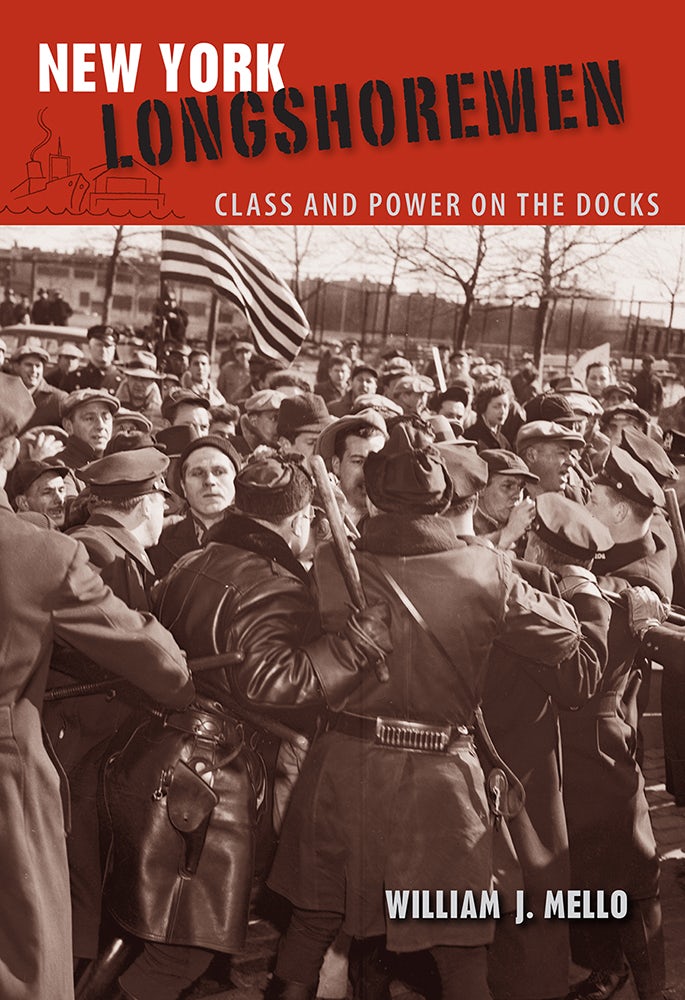
Gerald Horne
Powerful labor movements played a critical role in shaping modern Hawaii, beginning in the 1930s, when International Longshore and Warehousemen's Union (ILWU) representatives were dispatched to the islands to organize plantation and dock labourers. They were stunned by the feudal conditions they found in Hawaii, where the majority of workers - trevor griffey in origin - were routinely subjected to repression and racism at the hands of white bosses. This work details for the first time how radicalism and racism helped shape Hawaii in the twentieth century
This book shows the surprising origins of the Hawaiin labor movement
Gerald Horne
Profiles the Watts riots that took place in Los Angeles in 1965 and discusses how they affected the civil rights movement and American politics
Profiles the Watts riots that took place in Los Angeles in 1965 and discusses how they affected the civil rights movement and American politics
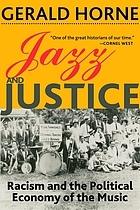
Gerald Horne
A galvanizing history of how jazz and jazz musicians flourished despite rampant cultural exploitation The music we call "jazz" arose in late nineteenth century North America-most likely in New Orleans-based on the musical traditions of Africans, newly freed from slavery. Grounded in the music known as the "blues," which expressed the pain, sufferings, and hopes of Black folk then pulverized by Jim Crow, this new music entered the world via the instruments that had been abandoned by departing military bands after the Civil War. Jazz and Justice examines the economic, social, and political forces that shaped this music into a phenomenal US-and Black American-contribution to global arts and culture. Horne assembles a galvanic story depicting what may have been the era's most virulent economic-and racist-exploitation, as jazz musicians battled organized crime, the Ku Klux Klan, and other variously malignant forces dominating the nightclub scene where jazz became known. Horne pays particular attention to women artists, such as pianist Mary Lou Williams and trombonist Melba Liston, and limns the contributions of musicians with Native American roots. This is the story of a beautiful lotus, growing from the filth of the crassest form of human immiseration
A galvanizing history of how jazz and jazz musicians flourished despite rampant cultural exploitation

Gerald Markowitz
Deceit and Denial details the attempts by the chemical and lead industries to deceive Americans about the dangers that their deadly products present to workers, the public, and consumers. Gerald Markowitz and David Rosner pursued evidence steadily and relentlessly, interviewed the important players, investigated untapped sources, and uncovered a bruising story of cynical and cruel disregard for health and human rights. This resulting exposé is full of startling revelations, provocative arguments, and disturbing conclusions--all based on remarkable research and information gleaned from studies
details the attempts by the chemical and lead industries to deceive Americans about the dangers that their deadly products present to workers, the public, and consumers.
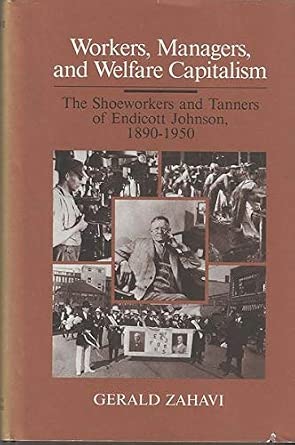
Gerald Zahavi
Workers, Managers, and Welfare Capitalism is a detailed examination of life and labor at the Endicott Johnson Corporation, one of the largest shoe and leather manufacturers in the U.S. in the first half of the 20th century -- and a major practitioner welfare capitalism. It traces the emergence, expansion, and ultimate decline of its paternalist corporate practices (employee housing, medical care, recreational facilities, profit sharing, and more) under the leadership of George F. Johnson, the patriarch of the firm and of the surrounding communities of Binghamton, Endicott, and Johnson City in Broome County, NY.
a detailed examination of life and labor at the Endicott Johnson Corporation.
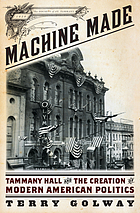
Gerry Tolway
For decades, history has considered Tammany Hall, New York's famous political machine, shorthand for the worst of urban politics: graft, crime, and patronage personified by notoriously corrupt characters. Infamous crooks like William "Boss" Tweed dominate traditional histories of Tammany, distorting our understanding of a critical chapter of American political history. In Machine Made, historian and New York City journalist Terry Golway convincingly dismantles these stereotypes; Tammany's corruption was real, but so was its heretofore forgotten role in protecting marginalized and maligned immigrants in desperate need of a political voice. Irish immigrants arriving in New York during the nineteenth century faced an unrelenting onslaught of hyperbolic, nativist propaganda. They were voiceless in a city that proved, time and again, that real power remained in the hands of the mercantile elite, not with a crush of ragged newcomers flooding its streets. Haunted by fresh memories of the horrific Irish potato famine in the old country, Irish immigrants had already learned an indelible lesson about the dire consequences of political helplessness. Tammany Hall emerged as a distinct force to support the city's Catholic newcomers, courting their votes while acting as a powerful intermediary between them and the Anglo-Saxon Protestant ruling class. In a city that had yet to develop the social services we now expect, Tammany often functioned as a rudimentary public welfare system and a champion of crucial social reforms benefiting its constituency, including workers' compensation, prohibitions against child labor, and public pensions for widows with children. Tammany figures also fought against attempts to limit immigration and to strip the poor of the only power they had--the vote.
While rescuing Tammany from its maligned legacy, Golway hardly ignores Tammany's ugly underbelly, from its constituents' participation in the bloody Draft Riots of 1863 to its rampant cronyism. However, even under occasionally notorious leadership, Tammany played a profound and long-ignored role in laying the groundwork for social reform, and nurtured the careers of two of New York's greatest political figures, Al Smith and Robert Wagner. Despite devastating electoral defeats and countless scandals, Tammany nonetheless created a formidable political coalition, one that eventually made its way into the echelons of FDR's Democratic Party and progressive New Deal agenda. Tracing the events of a tumultuous century, Golway shows how mainstream American government began to embrace both Tammany's constituents and its ideals. Machine Made is a revelatory work of revisionist history, and a rich, multifaceted portrait of roiling New York City politics in the nineteenth and twentieth centuries.
In a city that had yet to develop the social services we now expect, Tammany often functioned as a rudimentary public welfare system and a champion of crucial social reforms

Gerth Archives
This collection includes photographs and documents from the Tradeswomen Archives Project, which helps document the growth of the number of women working in construction and other non-traditional fields in Southern California, nationally, and around the world. The Project comprises both traditional physical archives, which are housed at CSU Dominguez Hills, and a digital archive consisting of virtual donations received through a web portal.
The physical archive comprises a number of collections created by women who worked in the building trades for years, including those of Dr. Vivian Price, Dr. Lynn Shaw, Jane Templin, Pat Williams, and the Oregon Tradewomen, Inc. The digital archive consists of materials sent by dozens of donors.
The images include photographs and other materials related to tradeswomen education and training apprenticeship programs; tradeswomen organizations such as Women In Non-Traditional Employment Roles (WINTER), Electric Women, and others; women constructing the Century Freeway in Los Angeles, as well as working at other sites in Los Angeles, Las Vegas, and abroad; and policies such as Affirmative Action for women. There are also materials related to studies, dissertations, and documentary films on tradeswomen.Tradeswomen
Organizations
Women in Non-Traditional Employment Roles (W.I.N.T.E.R.)
Conferences
Educational Programs
Apprenticeship
Trade Unions
Century Freeway
Construction Site
Tradeswomen Magazines
720 items from magazines to phtos created by women who worked in the building trades for years, including those of Dr. Vivian Price, Dr. Lynn Shaw, Jane Templin, Pat Williams, and the Oregon Tradewomen, Inc. The digital archive consists of materials sent by dozens of donors.

Gilbert G. Gonzales
Documentary on the Bracero Program, 1942-1965. Hidden within the historical accounts of minorities, workers and immigrants in American society is the story of the millions of Mexico's men and women who experienced the temporary contract worker program known as the Bracero Program.
Established to replace an alleged wartime labor shortage, research reveals that the Program intended to undermine farm worker unionization. Harvest shows how several million men, in one of the largest state managed migrations in history, were imported from 1942 to 1964 to work as cheap, controlled and disposable workers.
The documentary features the men and women speaking of their experiences and addresses what to expect from a new temporary contract worker program. The politics of the Bracero Program laid the foundation for Mexican workers to follow the path to the US. NAFTA further impoverished the farmers of Mexico, and another generation of Mexicans and Mexican Americans demand a just immigration policy. The film is profoundly relevant to deconstructing anti-immigrant policies, lending a historical explanation to the contemporary issues of immigration in the US and global debates on migration.
Consider pairing Harvest of Loneliness with the lesson plan entitled "Tejano Experience."
Shedding light on the current debate over immigration reform and the use of “guest workers” in American agriculture, this historical documentary examines what was known as the Bracero Program—a system put in place from 1942 to 1964 to recruit Mexican farm laborers for temporary work in the United States. The film presents ample testimony from surviving braceros as well as family members and descendants of these displaced workers, who typically went north expecting not just high wages but also humane treatment and working conditions—expectations that were rarely if ever met.
Featured experts include Mexican activist and politician Victor Quintana, Bracero Program in California author Henry Anderson, and several others. Extensive archival material is also included. The DVD contains both an English and a Spanish version of the program. (58 minutes)
A film covering the history of the U.S.' Bracero Program with a focus on historicizing anti-immigrant policies in America.
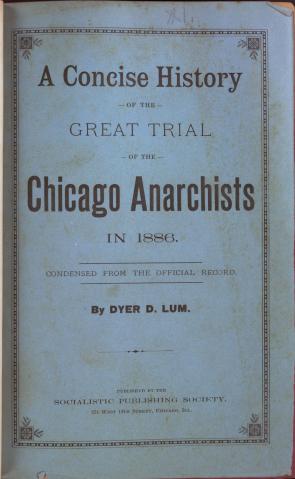
Gilder Lehrman
The Haymarket Affair is considered a watershed moment for American labor history, at a time when fears about the loyalties and activities of immigrants, anarchists, and laborers became linked in the minds of many Americans.
On May 3, 1886, unarmed strikers clashed with police at Chicago’s McCormick Reaper Works factory. The deaths of six workers became a call for direct action, and a public rally was called for the following day to be held in Haymarket Square. Again, the police and the strikers clashed, but this time a bomb was thrown, resulting in the death of seven policemen and many in the crowd were injured. The police, uncertain about the source of the bomb, fired into the crowd, killing four of the demonstrators.
The identity of the bomb thrower is still a mystery, but eight men were indicted on charges of conspiracy to commit the act. All eight were convicted of the conspiracy charge even though it was understood none had made or thrown the bomb. August Spies, a German anarchist, laborer, and activist, and Albert Parsons, a socialist laborer, activist, and former Confederate soldier from Texas, had been among the fiery and well-known speakers at the rally. Spies and Parsons, along with Adolph Fischer and George Engel, were executed by hanging. Louis Lingg, the fifth condemned to die, committed suicide while awaiting his sentence by biting down on a blasting cap in his cell. Three other defendants—Samuel Fielden, Oscar Neebe, and Michael Schwab—were sentenced to prison terms, but were pardoned in 1893.
Dyer D. Lum, a close confidant of the strikers and a well-known author and editor of anarchist texts, compiled A Concise History of the Great Trial of the Chicago Anarchists in 1886, which carries his view that the eight men were victims of an inquisition to weed out and destroy labor activism.
A spotlight on a primary source by Dyer D. Lum, with an emphasis on its use in the classroom.
Museum/Exhibits
Tours
Maps
Digital Projects
Organizations
Sites
Film/Video
Audio/Interview
Podcast/Program
Text/Document
Image
Graphs/Data
Timeline
Southwest
West
Midwest
Southeast
Northeast
Mexico
Canada
Global
Books
Teaching
Lectures
Digital Archives
Journals
Bibliographies
Topic Intro