


Collections
Library
Type
Region
Coverage:
-
Published:
-
IWW History Project
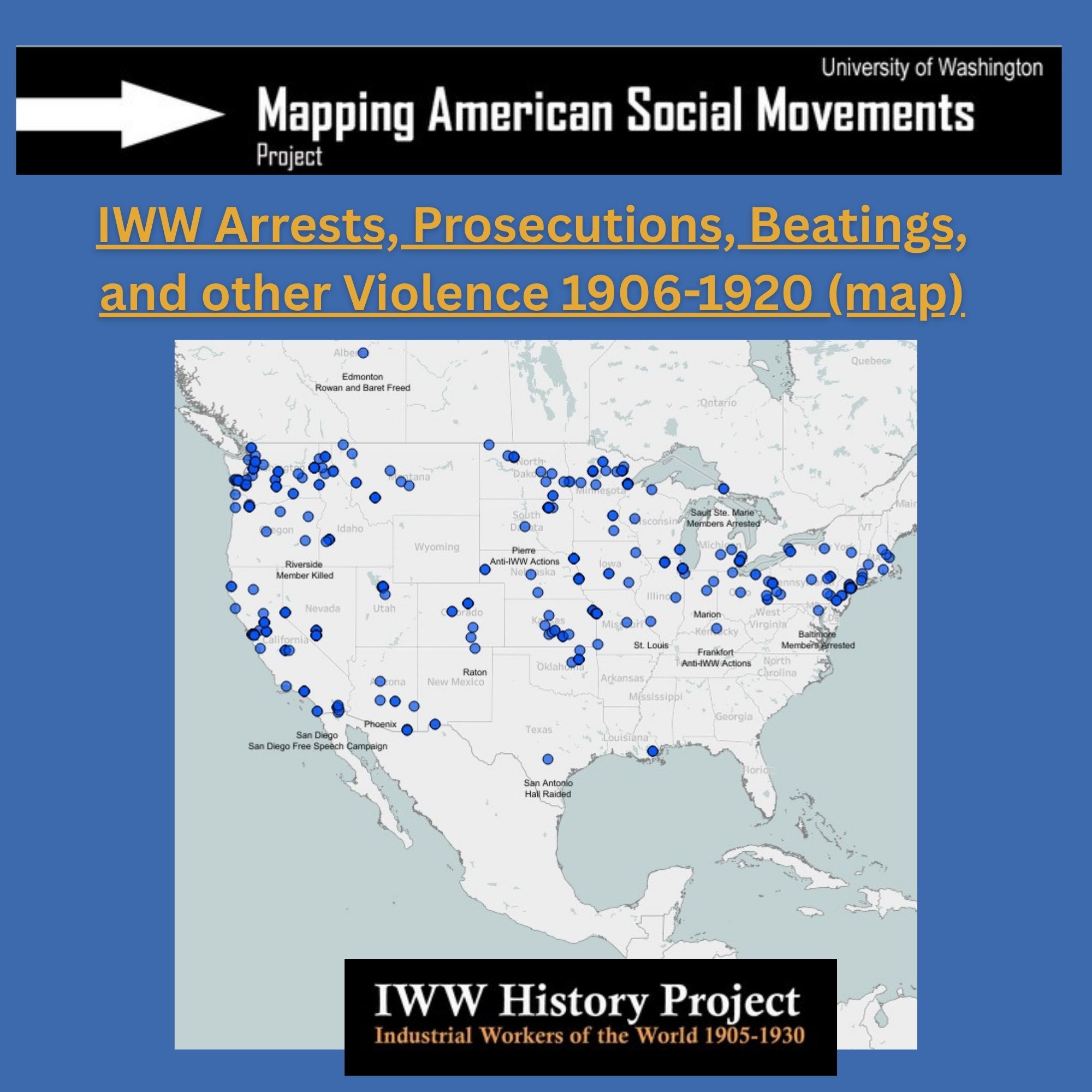
This interactive map and chart locates more than 350 incidents across the continental United States in which IWW members faced arrest, prosecution, beatings, and other kinds of violence, filterable by year. Some data also exists for violence against IWW members in Hawaii, the Panama Canal Zone, and Canada.
Sources: Most of the events and descriptions are derived from articles in the Industrial Union Bulletin, 1907-1909; Industrial Worker, 1909-1912, 1916-1917, 1920; Solidarity, 1915-1917. Details have not been independently confirmed. Each event is listed, described, and sourced in the IWW yearbooks. Dates on these maps can be either the date of the event or the date of the newspaper article covering the event.
Research: Arianne Hermida, Nick Bragg, Alison Cheung, Morgan Cottle, Michael Handley, Oliver Janders, Michael Kirkman, Christopher Mulcahey, Danielle Simmons, and Austin Upton. Becca Flores developed and manages the database.
350 incidents of repression An interactive map and chart that give geographic and statistical visualizations of incidents where members of the IWW faced violence against their activism.
IWW History Project
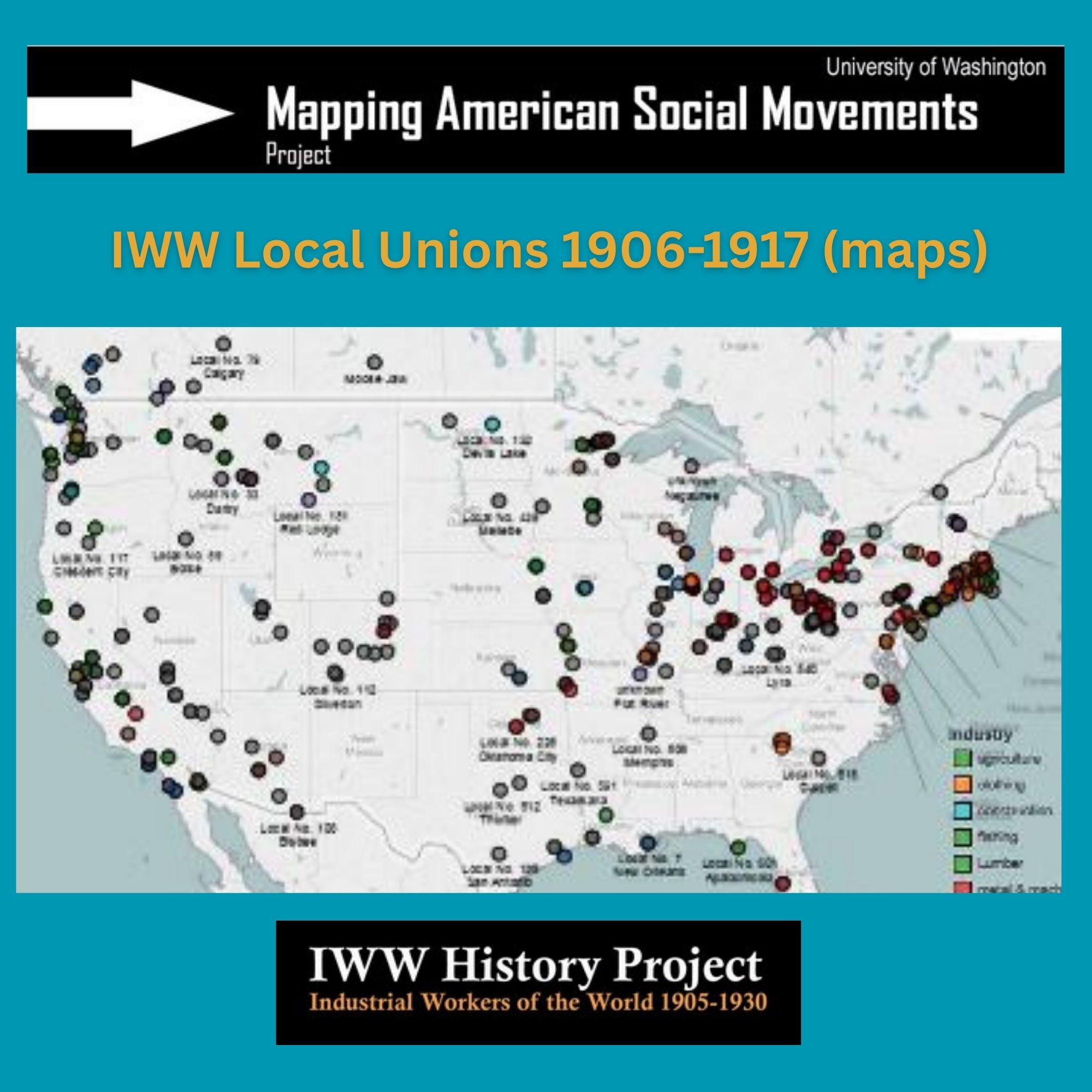
According to the author of this resource, one of big surprises of the IWW History Project is the number of local unions created by the IWW in its first decades. So far researchers have identified more than 900 unions located in more than 350 cities and towns in 38 states and territories of the United States and 5 Canadian provinces. Here are eight interactive maps and charts that explore the geography of the IWW.
Eight maps and databases showing the geographic distribution of IWW local unions across the United States and Canada.
IWW History Project
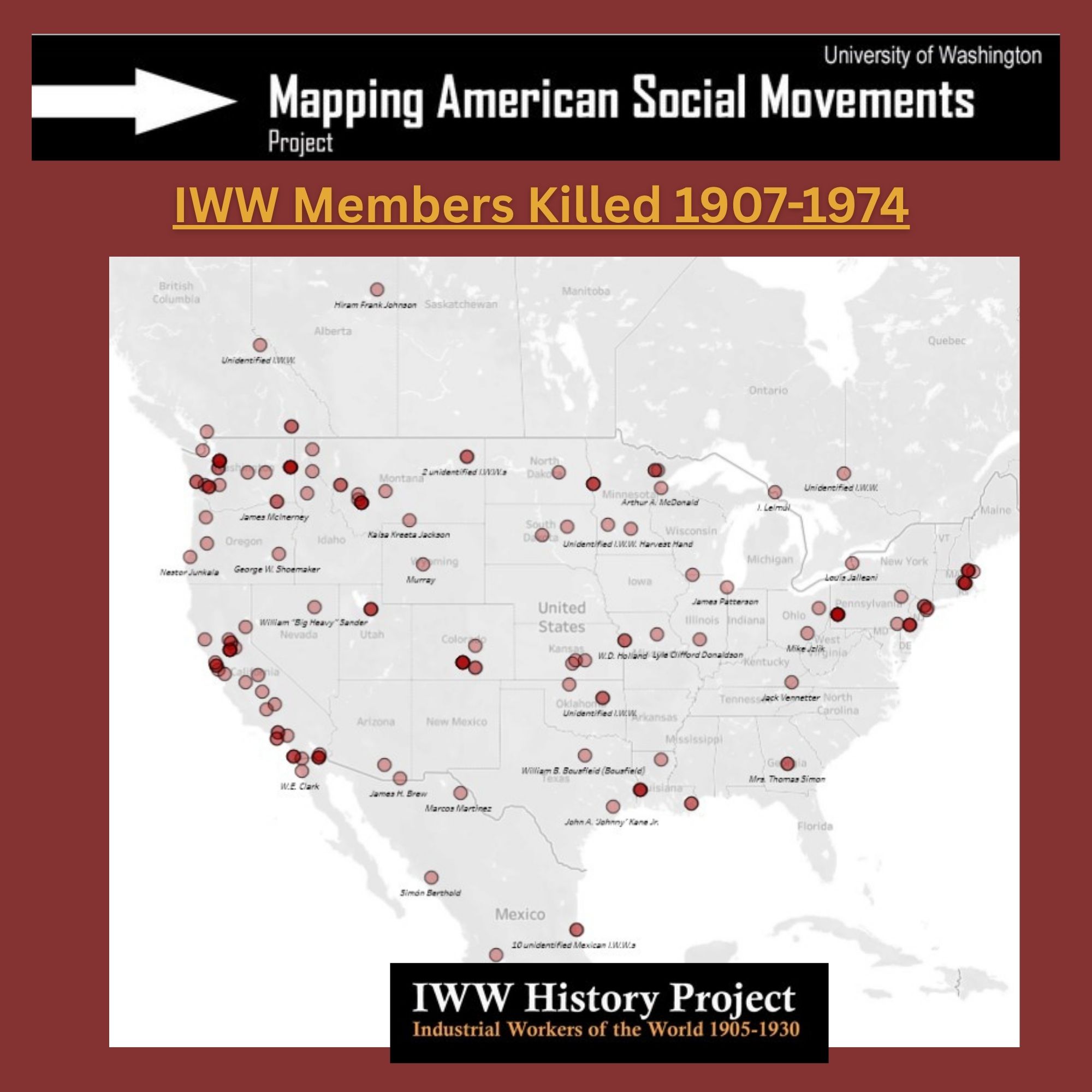
These maps and timeline detail the deaths of more than 170 I.W.W members. While giving a talk on the Trilogy of I.W.W. martyrs, Joe Hill, Frank Little, and Wesley Everest, the realization came that these were but a few members that had been killed. Resource author DJ Alperovitz then began the I.W.W.s Killed Project, compiling the data represented here. What has been complied is a list of I.W.W. members and innocent bystanders who were killed while organizing, striking, taking direct action, or for carrying a Red Card. These members and bystanders were shot, stabbed, beaten, tortured, starved, strangled, lynched, drowned, disappeared, or executed. Some were killed standing their ground in the company of their Fellow Workers and were buried with ceremony and stone, others died not only alone but also unknown and were consigned to an unmarked paupers grave.
Two maps that show the geographic distribution of IWW members who were killed, complete with a timeline and detailed list of victims.

IWW History Project
Participants in the IWW History Project have developed maps, lists, and charts detailing more than 400 strike actions (and free speech fights) led or supported by the IWW, as recorded in the Industrial Worker, Solidarity, Industrial Union Bulletin, and several non IWW newspapers. Some are well known. The IWW gained national attention in 1909 with a dramatic set of strikes in mills and factories around McKees Rock, PA, where railway cars were constructed. Victory in the Lawrence, MA, textile strike in 1912 secured the organization's reputation for organizing immigrant workers in industries that AFL unions largely ignored. Out West, the 1915 Wheatland, CA, hop pickers strike, the 1917 timber strikes in the Pacific Northwest, and Bisbee, AZ, mine strike are equally famous. But this project has identified hundreds of strikes and free speech campaigns that are less well known to historians. Some were short-lived and unsuccessful, but others ended in victories. The IWW played various roles, often supporting strike actions that they did not initiate or lead. Some of these strikes were organized by AFL locals. This resource includes a month-by-month list of more than 400 strike reports culled from IWW and non IWW newspapers.
Interactive maps, charts, and a database showing IWW-related strike activity in the early-twentieth century.
IWW History Project
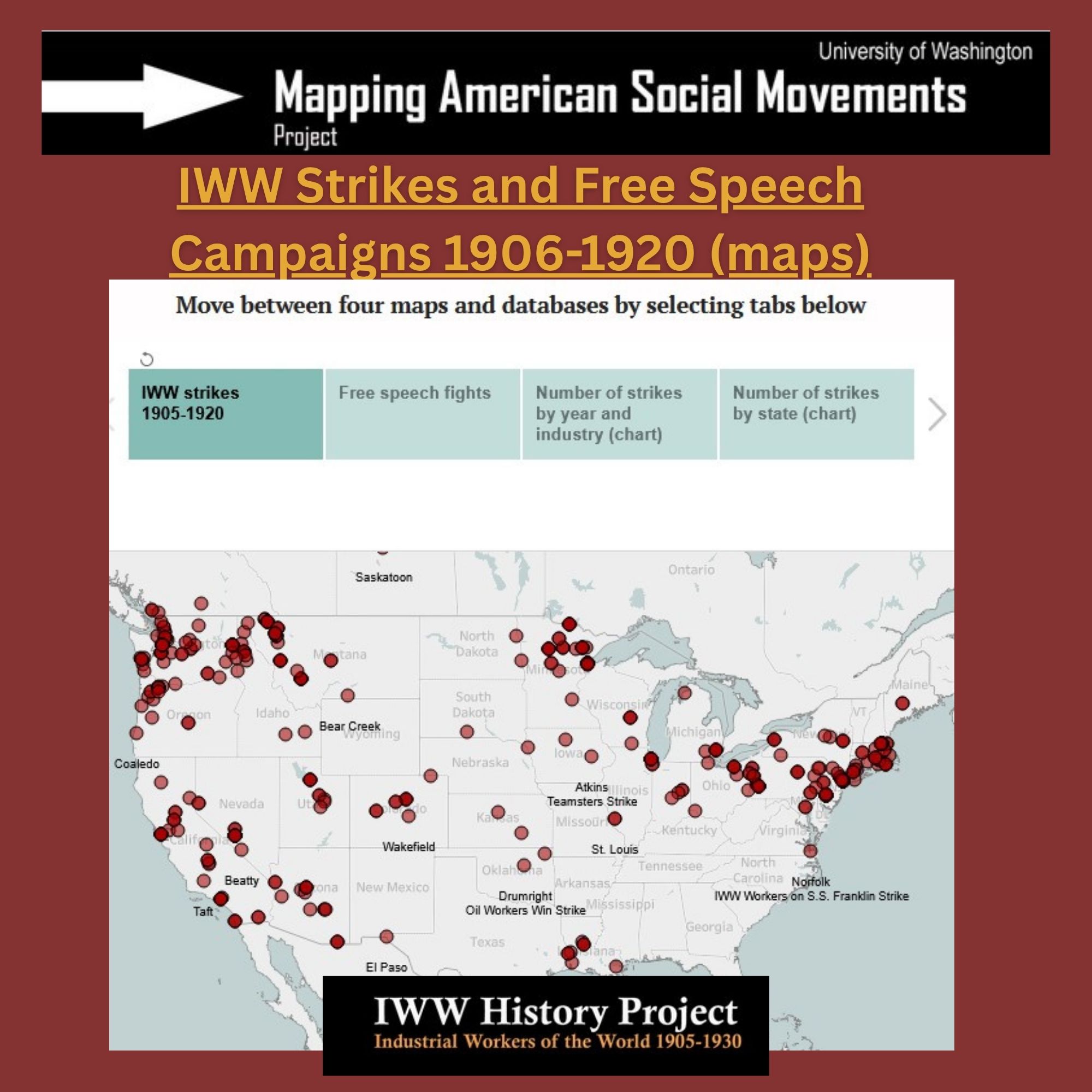
According to the resource's author, these interactive maps and charts are works in progress. They locate nearly 400 strike actions and more than 100 incidents connected to free speech campaigns. They are filterable by year and state.
Four interactive maps and charts that give geographic visualizations of strike actions and incidents related to IWW "free speech campaigns."
IWW History Project
Interactive maps and charts locate and describe more than 1,800 strikes, campaigns, protests, arrests, and trials, as detailed in the Industrial Worker, Solidarity, and other sources. They can be used in conjunction with this interactive database and also with our yearbook of events. Sources are explained below. More IWW maps.
Sources: The database is still under construction. Most of the events and descriptions are derived from articles in the Industrial Union Bulletin, 1907-1909;Industrial Worker, 1909-1912, 1916-1917, 1920; Solidarity, 1915-1917. Details have not been independently confirmed. Each event is listed, described, and sourced in the IWW yearbooks. Dates on these maps can be either the date of the event or the date of the newspaper article covering the event.
Research: Arianne Hermida, Nick Bragg, Alison Cheung, Morgan Cottle, Michael Handley, Oliver Janders, Michael Kirkman, Christopher Mulcahey, Danielle Simmons, and Austin Upton. Becca Flores developed and manages the database.
Maps: James Gregory
Eight maps and databases that offer a geographic visualization of IWW-led labor organizing and agitation in the early-twentieth-century U.S.
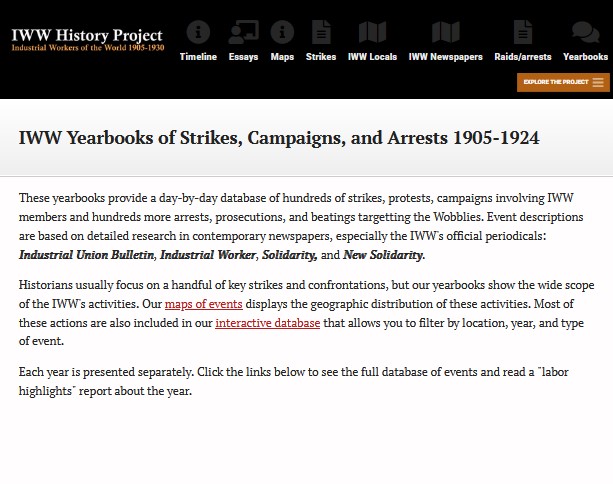
IWW History Project
"These yearbooks provide a day-by-day database of hundreds of strikes, protests, campaigns involving IWW members and hundreds more arrests, prosecutions, and beatings targetting the Wobblies. Event descriptions are based on detailed research in contemporary newspapers, especially the IWW's official periodicals: Industrial Union Bulletin, Industrial Worker, Solidarity, and New Solidarity."
year-by-year events for IWW history
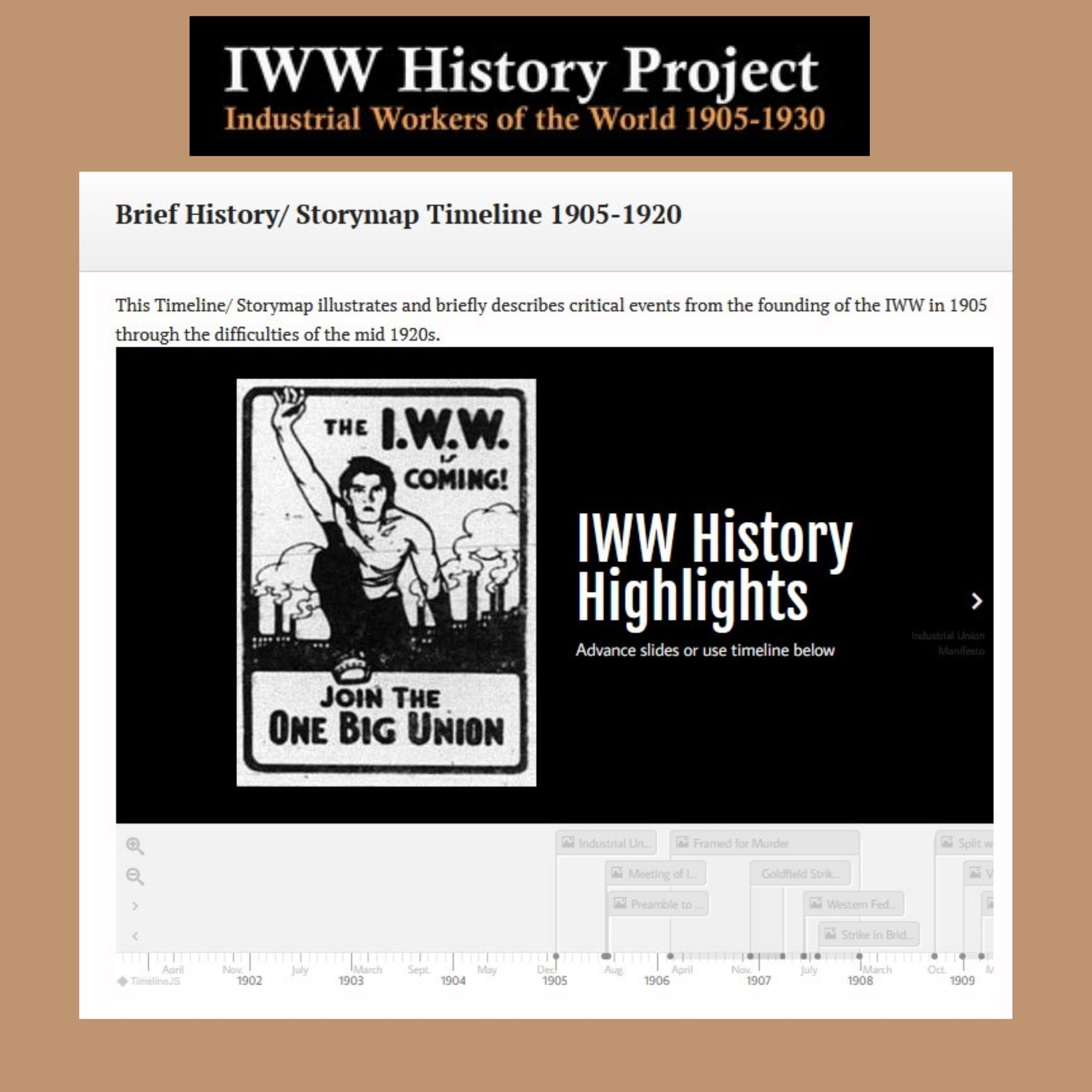
IWW History Project, Che Capilli, James Gregory, Arianne Hermida
This timeline/history was initiated by Che Capilli using Knight Labs TimelineJS. Additional content by James Gregory and Arianne Hermida. More information about many of these events is available in the IWW History Project's resource: Yearbooks of Strikes, Campaigns, Arrests.
An illustrated timeline showing the IWW's development from the issuance of the "Industrial Union Manifesto" in 1905 to becoming a major internatioal labor union.
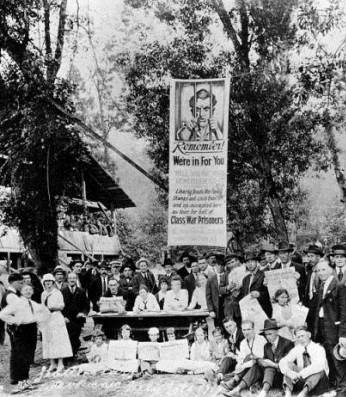
IWW History Project, James Gregory, Conor Casey
This project explores the history of the IWW in its first two decades. We have compiled a database of hundreds of strikes, campaigns, arrests, and other incidents involving IWW members and present this information in both yearbook format and in elaborate interactive maps. Here you will also find accounts of important events and a wealth of primary sources, including pages from the Industrial Worker, the IWW monthly published in Spokane and Seattle.
Co-directed by Professor James Gregory and Labor Archivist Conor Casey, the project utilizes the resources of the Labor Archives of Washington State and University of Washington Libraries.
The main page of the IWW History Project, linking visitors to all of the resources gathered by participants, including but not limited to: maps of strikes, campaigns, and locals; timelines; photos and documents; and information on IWW-related political violence.
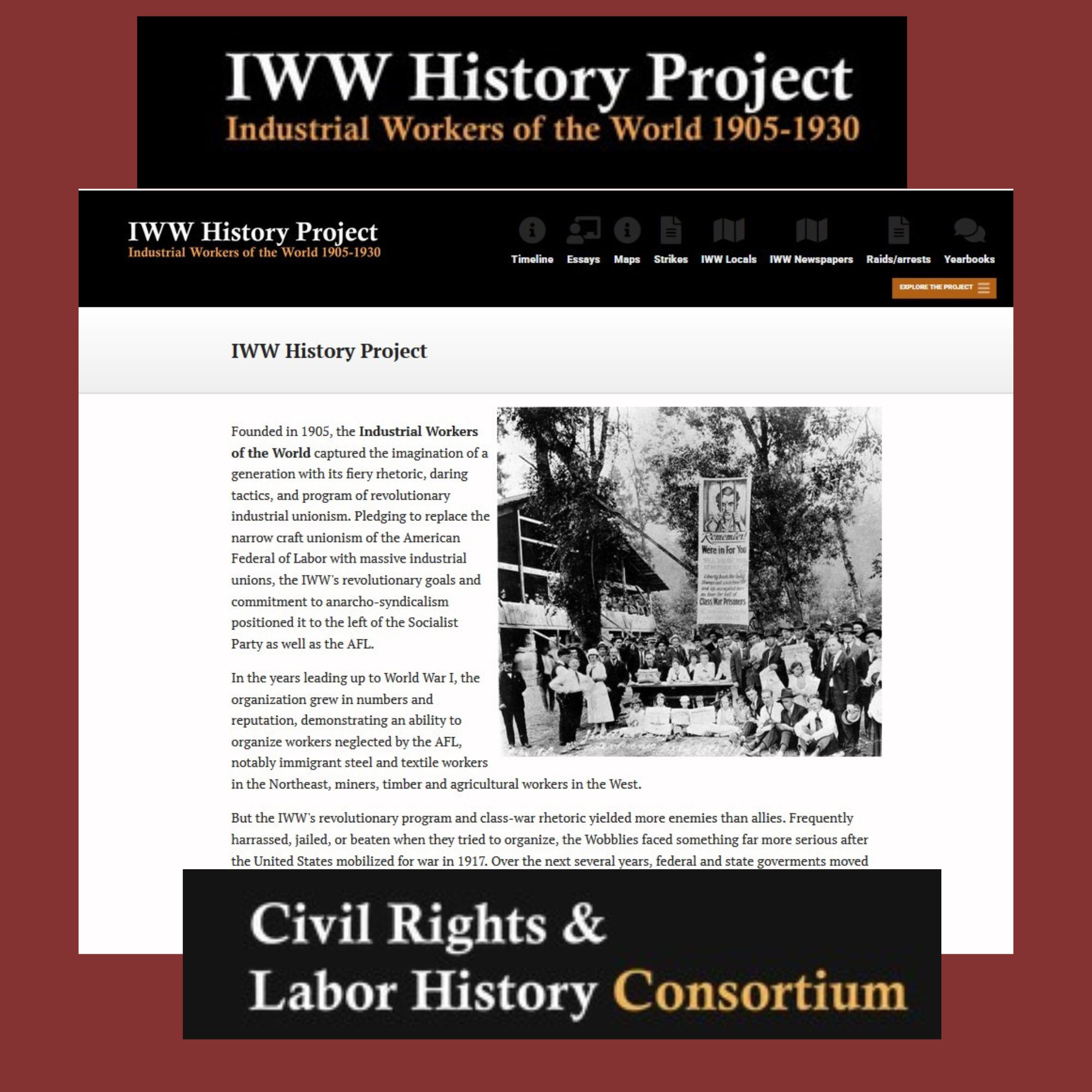
IWW History Project, University of Washington
These yearbooks provide a day-by-day database of hundreds of strikes, protests, campaigns involving IWW members and hundreds more arrests, prosecutions, and beatings targetting the Wobblies. Event descriptions are based on detailed research in contemporary newspapers, especially the IWW's official periodicals: Industrial Union Bulletin, Industrial Worker, Solidarity, and New Solidarity. Historians usually focus on a handful of key strikes and confrontations, but these yearbooks show the wide scope of the IWW's activities.
A collection of IWW yearbooks that give day-by-day details on the organization's labor activism.

Idaho Labor Herald
Idaho Labor Herald began on August 7, 1913. It ran under that title until December 10, 1914. With the December 17, 1914 issue, it became the Gem Worker, with a few initial issues published as The Gem Worker and the Idaho Labor Herald. All content of this serial is in the public domain in the US.On August 7, 1913, John Alden published the first issue of the Idaho Labor Herald in Boise. The slogans “For Toilers in City and Country” and “Co-operation Means Success” bracketed the masthead, with the subtitle, “Published in the interests of Organized Labor- For a Decent Living Wage Scale and Better Working Conditions.”
Published as a four-page, six-column weekly paper, the Idaho Labor Herald covered local labor and union activities, reporting on new legislation, trials, victories, and defeats relating to the movement. About one page of each issue was filled with a fictional serial installment. On November 19, 1914, Alden included a piece about the difficulties that had kept him from publishing “as good a paper as we could have liked,” but he told his readers that positive changes were coming soon.
The Idaho Labor Herald became the Gem Worker on December 17, 1914. For reasons of copyright and because of business considerations, the paper was renamed the Gem Worker and the Idaho Labor Herald until the end of December. Alden described the Gem Worker as the “successor” to the Herald, without the “errors and mistakes of past mismanagement” : a publication with a clean slate, “absolutely free from partisan bias.” The paper remained six-columns in size, and the page count fluctuated between four and six, with the exception of a ten-page Labor Day issue in 1916.
Shortly after launching the Gem Worker, Alden received a letter from the district organizer of the American Federation of Labor, stating that the opinions of the paper were at odds with those of the Federation. Alden believed that there was no inevitable enmity between labor and capital, and that as long as the laborers were provided good wages and safe working conditions, employers were free to pursue profits. The Federation took a harder line, viewing the employer as “nothing more than a flea on the laborer’s back” and declaring that the “duty of every Labor paper [should be] to make that clear in the minds of the workers.” Eventually, the Federation reached a compromise with the Gem Worker, and the paper became the official organ of the Idaho State Federation of Labor, as well as of the Boise Trades and Labor Council.
The Gem Worker published lists of local busin
Boise, Idaho labor paper
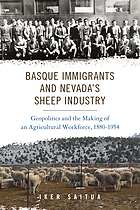
Iker Saitua
This book contributes to a wider understanding of the significance of the Basque immigration in the western sheep industry with a historically refreshed perspective. It contributes to the existing new historiography of the American West by looking more critically at the Basque immigrant experience in the open-range sheep industry of Nevada. It deconstructs the essentialist view that attributed to Basques special sheepherding skills by exploring this immigrant experience within its economic, social, cultural, political, and international context. This book is targeted to an academic, student and wider audience interested in the Modern American West and Basque Studies."--Provided by publisher
Basque immigrant experience in the open-range sheep industry of Nevada
Illinois Bureau of Labor Statistics, History Matters
These six family budgets collected by the Illinois Bureau of Labor Statistics in 1884 show the range of family incomes and spending patterns within the working class. Although skill level was probably the most important determinant of wages, relatively few male breadwinners were able to earn a “family wage”—enough to support their wives and children decently. Most families pooled their members’ wages in what historians call the “family economy.” The wages of children and teenagers often meant the difference between a modicum of comfort and mere survival, and women who were not working for wages sometimes brought in money by operating home-based businesses such as washing clothes or keeping boarders. Women also contributed to the family’s economic survival by managing the household budget, sharing resources with other female householders, and scavenging for discarded food, clothes, and fuel. Unlike current times, prices were not constantly rising in the late-19th century, and the period’s declining prices (particularly food prices) allowed a modest, gradual improvement in working-class living standards.
The full budgets of six working-class families in 1884, including an American coal miner, an English iron and steel worker, an Irish coal miner, an Irish laborer, an Italian laborer, and finally a Scandinavian laborer.
Illinois Bureau of Labor Statistics, History Matters
Many young men and women coming of age in the early-nineteenth century began to think about possibilities beyond the farm economy. The founding of new institutions of higher education and the expansion of older ones in New England beyond the handful of colonial colleges provided opportunities to farm boys from a wider range of social backgrounds. One such man was Elias Nason, born into a large family and poor. He wrote to his parents about the prospects for his brothers and sisters in this 1835 letter, the year that he was graduated from Brown University in Providence, Rhode Island. Like many, he was going to school intermittently at the same time that he was teaching school to stay afloat. Nason expressed a common prejudice of the time against work in the mills or factory labor when he warned: “Factories are talked about as schools of vice in all circles here.”
An 1835 letter from teacher and Brown University student Elias Nason to his family, wherein he speaks on commonly held perceptions of factory work.
Illinois Labor History Society
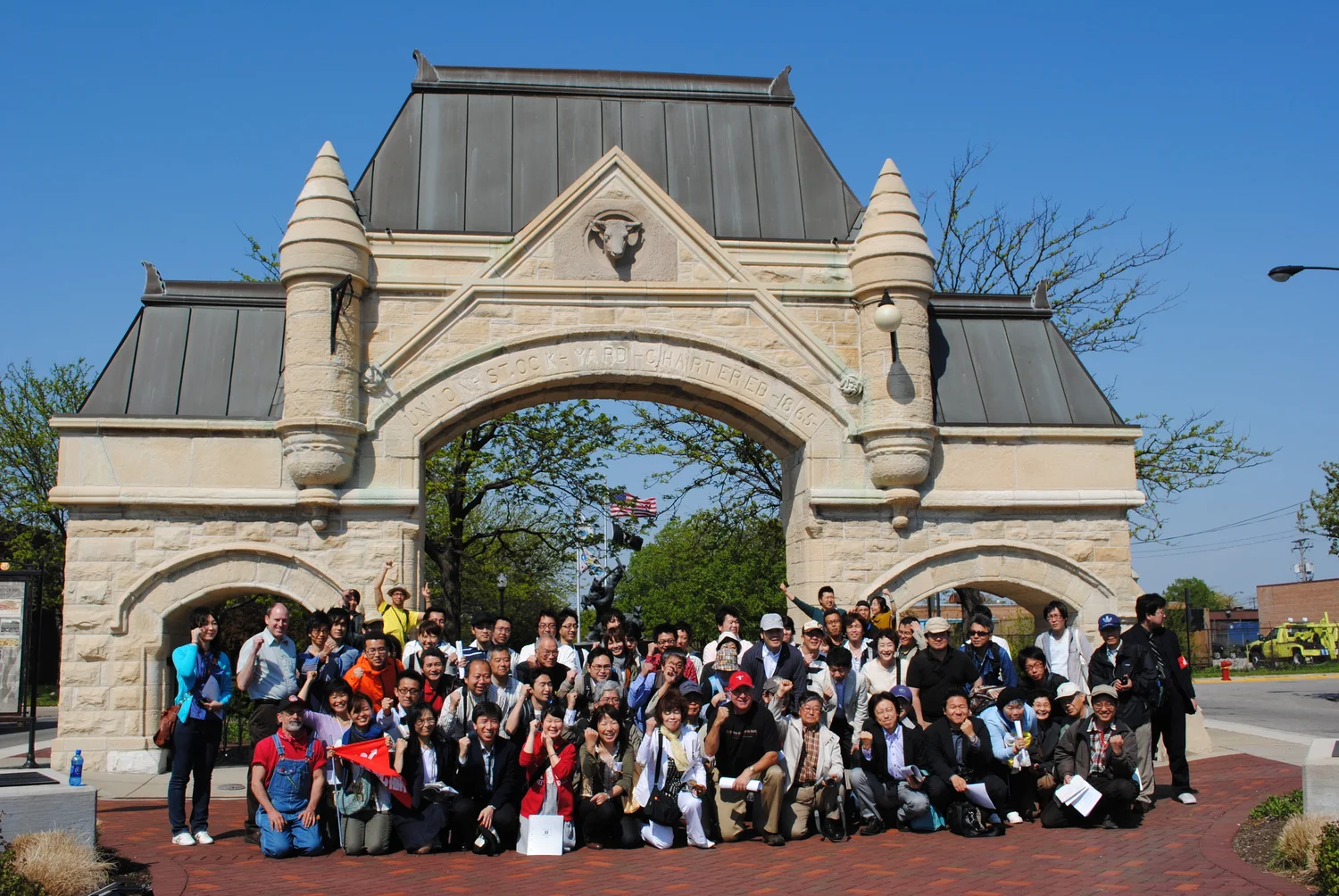
The Illinois Labor HIstory Society hosts tours that include choices of: The 1877 Battle of the Viaduct site, Bronzeville, Haymarket Monument and Forest Home Cemetery, Haymarket Memorial at the site of Historic Haymarket Square, Historic Pullman and Visitor Center, Jane Adams Hull House, Memorial Day Massacre of 1937 and site of Republic Steel, National A Philip Randolph Brotherhood of Sleeping Car Porter Museum, Steelworkers Park, Stockyard Gate, Union Row and Teamster City
Explore sites of famous labor conflicts and solidarity in the Chicago region
Illinois Labor History Society
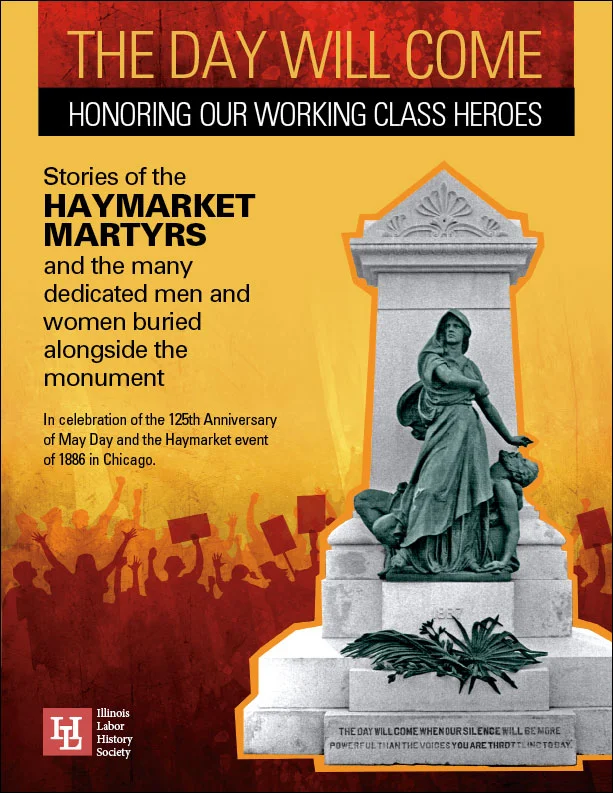
Recommended for those looking at information about the Haymarket incident. Site highlights the stories of the individuals buried alongside the monument. Their book is also available through the site, a helpful guide for anyone wanting more information. There are many lessons to be learned about the campaigns that were fought, the battles, and the memories that are revealed in these stories. Certainly it is not alone the history of the latter 19th century that we study, but the setbacks and victories that continue until today. For us and for many others around the world, this cemetery is sacred ground!
We invite you to look beyond the stereotypes of communists and anarchists...and to understand these important working class heroes—their drive for peace and justice, for strong and democratic unions, and the impact their struggles have had on our present-day society.
We welcome you to make use of these rich historic resources which provide students and family members a stepping-off point for endless discussions to be waged and research papers to be written on the history of Haymarket, the Palmer Raids, Spanish Civil War, House Un-American Activities Committee and other important historical events often left out of history books.
Online tour of the famous conflict in 1886 that resulted in the Haymarket bombing and tragedy of hanging of activists, in multiple parts (dropdown menu at top)
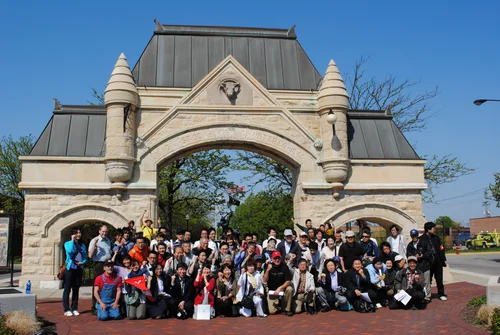
Illinois Labor History Society
Illinois Labor History Society encourages the preservation and study of labor history materials of the Illinois Region, and to arouse public interest in the profound significance of the past to the present. There are teaching resources and short introductions to Illinois labor history at this site. They conduct tours and host an annual fundraising dinner. They are the caretakers of the Haymarket Monument.
resources and events on Illinois labor history covering the state of Illinois
Illinois Labor History Society
This lesson plan focuses on the Pullman Strike of 1894. It includes primary source document analysis, along with a Power Point presentation to support the activities, and a bibliography for further research.
Pullman Bibliography
Pullman Strike of 1894 Lesson Plan
Pullman Strike of 1894 Document Packet
Lesson plan and teacher resources for teaching 1894 Pullman strike
Illinois Labor History Society
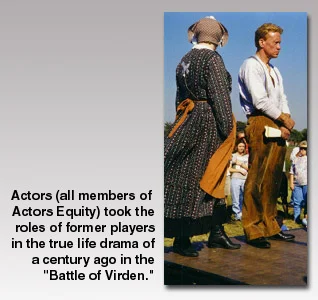
"The commemoration of the Centennial of the "Battle of Virden," in which eight coal miners and four mine guards died on October 12, 1898, drew a greater-than-expected crowd of a thousand or more to throng the town square of little Virden, about 20 miles south of Springfield, Illinois. The contemporary event took place on Sunday, October 11, 1998."
[Text continues at link...]
A celebration held October 11, 1998 marks the centennial of the Battle of Virden.
Illinois Library
Born-Digital video recordings and transcriptions from the A. Arro Smith "Capturing Our Stories" Oral Histories Program Records contain digital video recordings, transcripts, and release forms, concerning "Capturing Our Stories", a national oral history program to gather life histories of experienced librarians as they exit their careers. Interviews include Rita Auerbach, Sanford Berman, Karen Breen, Mary Bushing, Diana Collins, Richard Corson, Connie Corsons, Valerie Feinman, Clark Fogarty, Micki Freeny, Robert Gaines, Anne Gault, Andrew Hansen, Shelia Henderson, Billie Grace Herring, Janet Swan Hill, Irene Hoadley, Gail Hueting, Kathy Kays, Jeannette Larson, Sarah Long, Arlene Luster, Filomena Magavero, Dorothy McGarry, Jay McLaughlin, Bill Mears, Kent Middleton, John Mitchell, Jenifer John Patterson, Peggy Richwine, Dale Rickleifs, Karlan Sick, Ninfa Trejo, Pat Tuohy, and Kenneth Yamashita.
Oral history interviews of retiring librarians looking back on their careers.
Immanuel Ness
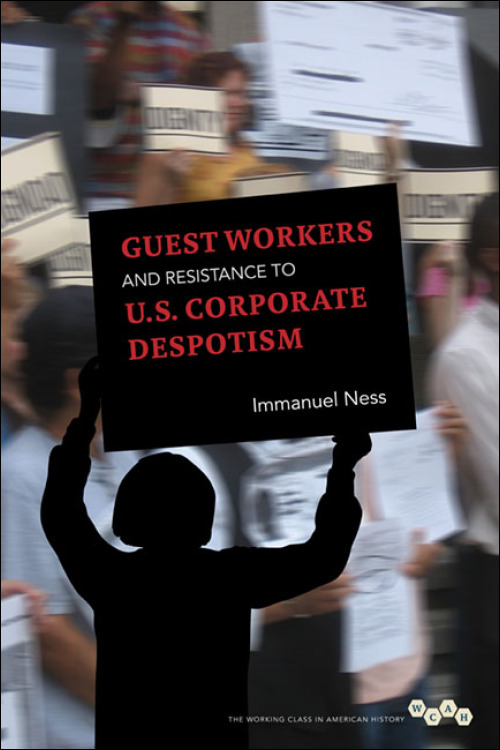
Political scientist Immanuel Ness thoroughly investigates the use of guest workers in the United States, the largest recipient of migrant labor in the world. Ness argues that the use of migrant labor is increasing in importance and represents despotic practices calculated by key U.S. business leaders in the global economy to lower labor costs and expand profits under the guise of filling a shortage of labor for substandard or scarce skilled jobs.
Drawing on ethnographic field research, government data, and other sources, Ness shows how worker migration and guest worker programs weaken the power of labor in both sending and receiving countries. His in-depth case studies of the rapid expansion of technology and industrial workers from India and hospitality workers from Jamaica reveal how these programs expose guest workers to employers' abuses and class tensions in their home countries while decreasing jobs for American workers and undermining U.S. organized labor.
Where other studies of labor migration focus on undocumented immigrant labor and contend immigrants fill jobs that others do not want, this is the first to truly advance understanding of the role of migrant labor in the transformation of the working class in the early twenty-first century. Questioning why global capitalists must rely on migrant workers for economic sustenance, Ness rejects the notion that temporary workers enthusiastically go to the United States for low-paying jobs. Instead, he asserts the motivations for improving living standards in the United States are greatly exaggerated by the media and details the ways organized labor ought to be protecting the interests of American and guest workers in the United States.
Book argues that worker migration and guest worker programs weaken the power of labor in both sending and receiving countries
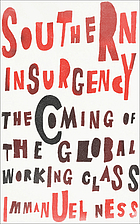
Immanuel Ness
The site of industrial struggle is shifting. The West needs to look further if it wants to understand how workers' self-organization is developing in countries it too often ignores. Across the Global South, peasant communities are forced off the land to live and work in harsh and impoverished conditions. Inevitably, new methods of combating the spread of industrial capitalism are evolving in ambitious, militant and creative ways. Southern Insurgency will lead the way in examining these organizations in the contemporary era. Immanuel Ness looks at three key countries: China, India and South Africa. In each case he considers the broader historical forces at play -- the effects of imperialism, the decline of the trade union movement, the class struggle and the effects of the growing reserve army of labor. For each case study, he narrows his focus to reveal the specifics of each grassroots insurgency: the militancy of the miners in South Africa, the new labor organizations in India and export promotion and the rise of worker insurgency in China. A result of intensive, dedicated firsthand research, at the heart of Southern Insurgency is a study of the nature of the new industrial proletariat in the Global South - a terrifying, precarious existence - but also one of experimentation, solidarity and struggle. --
Preface and Acknowledgements;
Introduction: The New International Working Class;
Part I: Capitalism and Imperialism;
1. The Industrial Proletariat of the Global South;
2. Migration and the Reserve Army of Labor;
Part II: Case Studies;
3. India: Neoliberal Industrialization, Class Formation, and Mobilization;
4. China: State Capitalism, Foreign Investment, and Worker Insurgency;
5. South Africa: Post-Apartheid Labor Militancy in the Mining Sector;
6. Conclusion; Notes; Index
study of the nature of the new industrial proletariat in the Global South - a terrifying, precarious existence - but also one of experimentation, solidarity and struggle
Immanuel Ness ed., Journal of Labor and Society
Some of the essays are open access. The Journal of Labor and Society is a peer-reviewed academic journal covering the political economy of labor, labor movements, and class relations throughout the world. The journal was established in 1997, was published by Wiley Periodicals through 2020, and is published by Brill starting in 2021. The journal’s editorial office is located within the Brooklyn College of the City University of New York Graduate Center for Worker Education.
The Journal of Labor and Society publishes peer-reviewed, scientific research into the major social, political, economic, and cultural issues faced by workers around the world. In particular, the journal highlights the transformation of the international economy and aims to situate labor relations and conflict in this wider context. The journal also provides a forum for scholarly and collegial examination of the effects of the history of states, parties, and social movements on labor and work. Volumes 1-19 of the Journal of Labor and Society were published under the journal's previous name WorkingUSA.
A peer-reviewed academic journal covering the political eocnomy of labor, labor movements and class relations throughout the world.
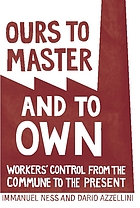
Immanuel Ness, Dario Azzellini
Capitalism would have us believe we need our bosses. This volume reveals the history of workers who dare to disagree
Contents
Introduction
Immanuel Ness and Dario Azzellini
Part I: Workers’ Councils: Historical Overview and Theoretical Debate
1. Workers’ Control and Revolution Victor Wallis
2. Workers’ Councils in Europe: A Century of Experience Donny Gluckstein
3. The Red Mole: Workers’ Councils as a Means of Revolutionary Transformation Sheila Cohen
4. The Political Form at Last Discovered: Workers’ Councils against the Capitalist State Alberto R. Bonnet
Part II: Workers’ Councils and Self-Administration in Revolution: Early Twentieth Century
5. From Unionism to Workers’ Councils: The Revolutionary Shop Stewards in Germany, 1914–1918 Ralf Hoffrogge
6. The Factory Committee Movement in the Russian Revolution Mark-David Mandel
7. Factory Councils in Turin, 1919–1920: “The Sole and Authentic Social Representatives of the Proletarian Class” Pietro Di Paola
8. Workers’ Democracy in the Spanish Revolution, 1936–1937 Andy Durgan
Part III: Workers’ Control under State Socialism
9. Yugoslavia: Workers’ Self-Management as State Paradigm Goran Musić
10. Give Us Back Our Factories! Between Resisting Exploitation and the Struggle for Workers’ Power in Poland, 1944–1981 Zbigniew Marcin Kowalewski
Part IV: Anticolonial Struggle, Democratic Revolution, and Workers’ Control
11. Workers’ Control in Java, Indonesia, 1945–1946 Jafar Suryomenggolo
12. From Workers’ Self-Management to State Bureaucratic Control: Autogestion in Algeria Sam Southgate
13. The Limits and Possibilities of Workers’ Control within the State: Mendoza, Argentina, 1973 Gabriela Scodeller
14. Workers’ Councils in Portugal, 1974–1975 Peter Robinson
Part V: Workers’ Control against Capitalist Restructuring in the Twentieth Century
15. Workers’ Control and the Politics of Factory Occupation in 1970s Britain Alan Tuckman
16. Workers’ Direct Action and Factory Control in the United States Immanuel Ness
17. “Hot Autumn”: Italy’s Factory Councils and Autonomous Workers’ Assemblies in the 1970s Patrick Cuninghame
18. Recipe for Anarchy: British Columbia’s Telephone Workers’ Occupation of 1981 Elaine Bernard
Part VI: Workers’ Control, 1990s–2010
19. Workers’ Control in India’s Communist-Ruled State: Labor Struggles and Trade Unions in West Bengal Arup Kumar Sen
20. Argentinean Worker-Taken Factories: Trajectories of Workers’ Control under the Economic Crisis Marina Kabat
21. Workers’ Control under Venezuela’s Bolivarian Revolution Dario Azzellini
22. Brazilian Recovered Factories: The Constraints of Workers’ Control Maurício Sardá De Faria and Henrique T. Novaes
Contributor Biographies
Rezensionen:
New Media we recommend - Jeff Smith - griid
It's possible, it's necessary - Antonio David Cattani - Redpepper
"Our to Master and to Own" - Julie Sherry - socialistreview
"Our to Master and to Own" - Andy Piascik - zcommunications
Ours to Master and to Own: Workers' Control from the Commune to the Present - Resolute Reader
Workers’ Control I - chriswhiteonline -
Kontrol Buruh Dalam Lintasan Sejarah - Coen Husain Pontoh - Indoprogress
Arbeidersmacht door de eeuwen heen - Door Brian Droop - socialisme.nu/blog/
Workers' Control: Toward a Revolutionary Transformation - Dan La Botz - NewPolitics
Putting “Isms” in Their Place: A Review Essay - Mike Miller - socialpolicy
Immanuel Ness and Dario Azzellini, Ours to Master and to Own - Eugene Jones - Silpakorn University Journal of Social Sciences, Humanities, and Arts
Immanuel Ness and Dario Azzellini, eds., Ours to Master and to Own: Workers’ Control from the Commune to the Present - Sarah Hernandez - Socialism and Democracy
"Ours to Master and to Own: Workers'Control from the Commune to the Present" - William A. Pelz - Labor Studies Journal
"Ours to Master and to Own: Workers’ Control from the Commune to the Present" - Ingo Schmidt - Labour / Le Travail
"Ours to Master and to Own" - Dirk Hoerder - Sozial.Geschichte Online
'Ours to Master and to Own' by Immanuel Ness and Dario Azzellini
BOOK REVIEWS: Ours to Master and to Own. Workers’ Control from the Commune to the Present
BOOK REVIEW: 'Ours to Master and to Own' by Immanuel Ness and Dario Azzellini
Anthology of essays on workers efforts to use varying means, methods and strategies to control their workplaces

Immigration History Research Center
Immigrant Stories is run by the Immigration History Research Center (IHRC), where we've studied immigration for over fifty years. We share and preserve these digital stories for future generations through the IHRC Archives and the Digital Public Library of America. We created this website with support from the National Endowment for the Humanities.
Immigrant Stories helps people tell, share, and preserve personal and family immigration stories.
Museum/Exhibits
Tours
Maps
Digital Projects
Organizations
Sites
Film/Video
Audio/Interview
Podcast/Program
Text/Document
Image
Graphs/Data
Timeline
Southwest
West
Midwest
Southeast
Northeast
Mexico
Canada
Global
Books
Teaching
Lectures
Digital Archives
Journals
Bibliographies
Topic Intro