


Collections
Library
Type
Region
Coverage:
-
Published:
-

Laurie Coyle
Filmmaker Laurie Coyle came across photographs of Maria Moreno while doing research on another activist in the farm worker movement: César Chávez. Though more and more was known about Chávez, Dolores Huerta, and United Farm Workers, little was known about this earlier figure.
There are links to these lesson plans and other resources at the link above and more at the site: https://illinois.pbslearningmedia.org/resource/illpb18-soc-ush-il-ilunsung/the-unsung-history-makers-maria-moreno/
Moreno, whose father was a Mexican immigrant and whose mother was a Mescalero Apache, was herself mother to 12 children. Despite having only a second-grade education, she was elected by the Agricultural Workers Organizing Committee (AWOC) to represent them at the AFL-CIO convention in 1961. Unlike the UFW and other agricultural unions, which often took a conservative stance on the U.S.-Mexico border, AWOC took a radically trans-nationalist approach, and its membership included farm workers of many nationalities.
Moreno was pushed out of the union in the early 1960s for her outspokenness. She began a two-decade career as a Pentecostal minister before dying of breast cancer in 1982. Coyle's film, funded in part by the NEH, is the first systematic attempt to tell her story to the U.S. public.
A film about a forgotten farm labor organizer, Maria Moreno, in the 1950s and early 1960s
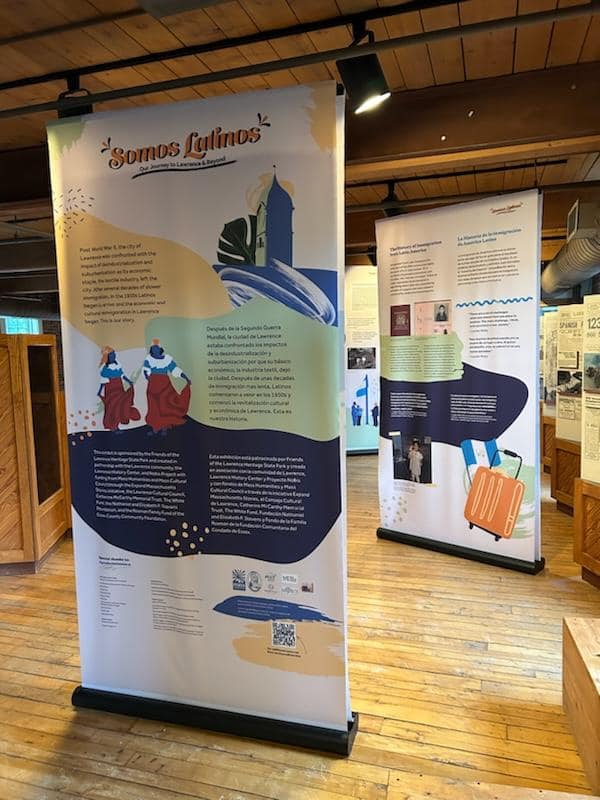
Lawrence Heritage State Park Visitor Center
Post World War II, the city of Lawrence was confronted with the impact of deindustrialization and suburbanization as its economic staple, the textile industry, left the city. After several decades of slower immigration, in the 1950s Latinos began to arrive and the economic and cultural reinvigoration in Lawrence began. This is our story.
Después del Segundo Guerra Mundial, la ciudad de Lawrence estaba confrontado los impactos de la desindustrialización y suburbanización por que su básico económico, la industria textil, dejo la ciudad. Despues de unosdecadas de immigración mas lento, Latinos comensaron a venir en los 1950s y comenzó la revitalización cultural y económica de Lawrence. Esta es nuestra historia.
The exhibit is currently on the 2nd floor of the Lawrence Heritage State Park Visitor Center, 1 Jackson Street, Lawrence, MA.
Exhibit on the new immigrants post 1945 in Lawrence Massachusetts

Lawrence History Center
Founded in 1978 as the Immigrant City Archives by German immigrant Eartha Dengler, the Lawrence History Center's collection preserves and animates the stories of the city for current residents, researchers, and visitors to Lawrence through rich and varied programming.
Our collections are being digitized and made available through our website, OCLC WorldCat, Digital Commonwealth, and the Digital Public Library of America (DPLA). Our online exhibition, Bread and Roses Strike of 1912: Two Months in Lawrence, Massachusetts, that Changed Labor History, is one of seven exhibitions that were part of the DPLA April 2013 launch in Boston.
Organization and library of resources focused on immigrants, work, industry, digitized sources
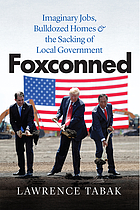
Lawrence Tabak
In 2018, the Republican-led State of Wisconsin signed a economic-development deal with Foxconn, the China-based electronics manufacturer, nominally securing 13,000 jobs. Yet as journalist Lawrence Tabak powerfully shows, the deal is a disaster in every dimension: economic, political, cultural, legal, and environmental. Disfranchising American citizens of power, money, and land, the Foxconn deal demonstrates all the ways that the pursuit of jobs can ruin American communities nationwide. Tabak demonstrates that such packages of incentives cannot make economic sense on this scale. Subsequently, the proposed size of the plant has shrunk and grown and shrunk again, and its purported function has changed repeatedly. It's possible most of Foxconn's plans will turn out to be mirage. Yet the story of the dealmaking is complete, and its impacts on Wisconsin and its people will be permanent"-- Provided by publisher
the Foxconn deal demonstrates all the ways that the pursuit of jobs can ruin American communities nationwide.

Leah Boustan, Carola Frydman, Robert Margo
America's expansion to one of the richest nations in the world was partly due to a steady increase in labor productivity, which in turn depends upon the invention and deployment of new technologies and on investments in both human and physical capital. The accumulation of human capital-the knowledge and skill of workers-has featured prominently in American economic leadership over the past two centuries. Human Capital in History brings together contributions from leading researchers in economic history, labor economics, the economics of education, and related fields. Building on Claudia Goldin's landmark research on the labor history of the United States, the authors consider the roles of education and technology in contributing to American economic growth and well-being, the experience of women in the workforce, and how trends in marriage and family affected broader economic outcomes. The volume provides important new insights on the forces that affect the accumulation of human capital
Investigates the role that America's accumulation of human capital has had on the expansion of its economy and the everyday experience of work

Leah F. Vosko
Migrant Work by Another Name explores the complexities of Canada's evolving international migration and employment policy landscape. It critically examines the shift towards “mobility” programs under the recently inaugurated International Mobility Program (IMP). This shift occurs alongside the contraction of certain streams within Canada’s long-standing Temporary Foreign Worker Program (TFWP). The book investigates the implications of policy changes, influenced at once by public outcry over migrant worker exploitation and persistent demands for labour in the face of qualitative labour shortages in high-income countries like Canada. Grounded in a decolonial feminist political economy approach, Leah F. Vosko employs a mixed methods analysis to contrast the narrative of “mobility” with the persistent realities of precarity among transnational workers.
The book features in-depth case studies of the three largest IMP subprograms – Working Holiday, Post-Graduation, and Spousal Work Permit programs – revealing how these initiatives, despite being touted as promoting mobility, provide for temporary migrant work by another name and perpetuate distinct forms of precarity. This critical perspective challenges the notion of progress in contemporary migration policies, shedding light on the ongoing challenges faced by transnational workers in Canada.
This book features in-depth case studies of the three largest International Mobility Program subprograms revealing how these initiatives, despite being touted as promoting mobility, provide for temporary migrant work by another name and perpetuate distinct forms of precarity.
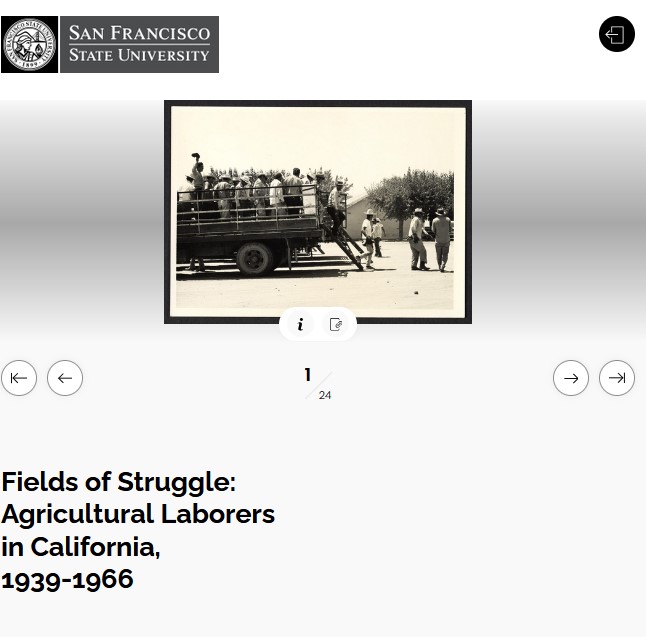
Leah Sylva, Labor Archives, Research Center
Utilizing documents, photographs, and audiovisual material from the Henry P. Anderson Papers, this exhibit aims to analyze the system of relations between agricultural workers and the land and illustrate the potential for transformation through struggle.
Focusing on the power structure of agribusiness and the counterpower of worker organizing, the exhibit explores how workers from citizen and non-citizen groups navigate conditions of precarity, occupational hazards, and capitalism to unite in solidarity against the owning class.Mexican revolutionary
Emiliano Zapata is quoted as saying “the land belongs to those who work it with their hands.” The agricultural industry in the United States, fundamentally tied to the histories of settler colonialism and chattel slavery, complicates Zapata’s claim.
Under large-scale commercial agriculture, land, labor, and workers become commodities, primed for extraction. To sustain its ever-increasing growth of profits, this form of agriculture relies on a transnational labor pool, positioned as a racialized “other” in contrast to citizen workers.
Historically, agricultural labor in California has relied on a revolving door of foreign workers performing low-wage labor. Since the Gold Rush of 1849, Chinese, Japanese, Sikh, Filipino, and Mexican workers have alternately filled this role, feeding the domestic population while being excluded from the legal privileges and security afforded by U.S. citizenship.
As an economic system, capitalism leverages the tensions between classes of workers to cut costs as much as possible, creating competition and scarcity to drive down wages. However, since the late 1800s, farm workers in California have been organizing, forming associations, and striking.
Time and time again, disparate groups of workers have recognized their shared conditions and potentials for solidarity, joining together to form a militant multi-racial working class.
exhibit analyzes system of relations between agricultural workers and the land

Leah, Astra Taylor Hunt-Hendrix
From renowned organizers and activists Leah Hunt-Hendrix and Astra Taylor, comes the first in-depth examination of solidarity--not just as a rallying cry, but as potent political movement with potential to effect lasting change. Solidarity is often invoked, but it is rarely analyzed and poorly understood. Here, two leading activists and thinkers survey the past, present, and future of the concept across borders of nation, identity, and class to ask: how can we build solidarity in an era of staggering inequality, polarization, violence, and ecological catastrophe? Offering a lively and lucid history of the idea--from Ancient Rome through the first European and American socialists and labor organizers, to twenty-first century social movements like Occupy Wall Street and Black Lives Matter--Hunt-Hendrix and Taylor trace the philosophical debates and political struggles that have shaped the modern world. Looking forward, they argue that a clear understanding of how solidarity is built and sustained, and an awareness of how it has been suppressed, is essential to warding off the many crises of our present: right-wing backlash, irreversible climate damage, widespread alienation, loneliness, and despair. Hunt-Hendrix and Taylor insist that solidarity is both a principle and a practice, one that must be cultivated and institutionalized, so that care for the common good becomes the central aim of politics and social life"-- Provided by publisher
survey the past, present, and future of the concept across borders of nation, identity, and clas

Lee Dick, Inc., Tri-State Survey Committee Inc.
Documentary sponsored by a labor advocacy group to draw attention to the industrial diseases plaguing zinc and lead miners in the tristate region of Kansas, Missouri, and Oklahoma.
Note: Sheldon Dick initially came to the region to take photographs for a Tri-State Survey Committee report and stayed on to make Men and Dust. Gerald Markowitz and David Rosner write that the tristate advocacy campaign was pivotal in alerting the public to the industrial health hazards faced by American workers in some industries.
Documentary created to draw attention to the silicosis crisis plaguing zinc and lead miners in the tristate region of Kansas, Missouri, and Oklahoma.
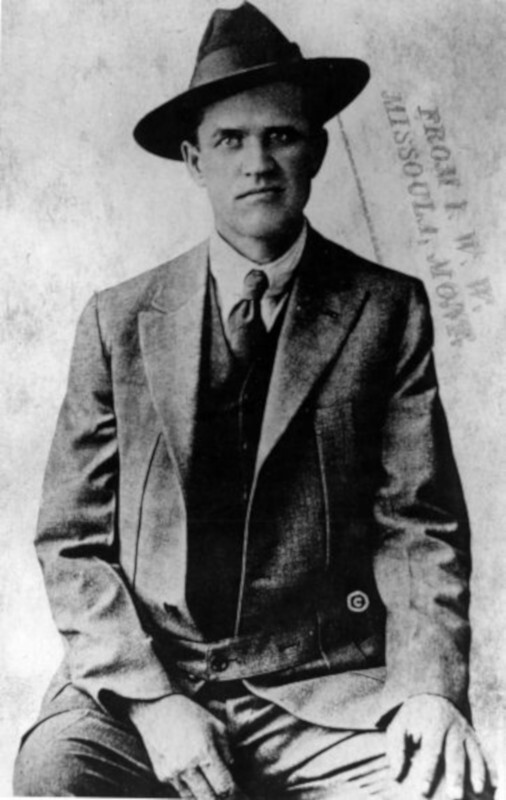
Leif Fredrickson
In 1917, Butte was the site of one of the most notorious unsolved murders in American history. The murder of union organizer Frank Little happened in the midst of what was then the biggest strike in the history of Butte’s copper mines. It also happened in the midst of World War I, just months after the United States had entered the war. Butte’s mines were the biggest copper mines in the world, and copper was an utterly essential strategic material in the war.
Little's murder remains officially unsolved, although there are many intriguing clues and theories about how, and why, he was killed. More broadly, Little’s life and death is a fascinating window into the history of corporate power, class conflict, and radical labor organizing in the early 1900s.
11 sites with a map enabling a self-guided tour of the murdered union organizer, Frank Little, in Butte Monatan

Leif Fredrickson, Historic Montana team
From almost the beginning of the territory, Montana workers tried to organize themselves into unions to secure safer working conditions and better wages and to redress grievances. Where union locals grew, they built halls for meetings and social events. Their accommodations ranged from rented rooms to simple, modest halls to large, ornate buildings, reflecting the union’s size and status in the community.
Helena’s typographers organized Montana’s first union local in 1866, but most of Montana’s early union activity centered around railroad workers, miners, and smeltermen. The Brotherhood of Locomotive Engineers built one of Montana’s first union halls in Forsyth in 1882. By 1909, Red Lodge Local No. 1771 of the United Mine Workers of America, a coal miners’ local, built their three-story labor temple, complete with a third-floor ballroom big enough to host its 1,000-plus members. The “Gibraltar of Unionism,” however, was Butte, whose rich copper deposits attracted thousands of miners and associated tradesmen.
Founded in 1878, the Butte Miners Union (BMU) grew into one of the largest local unions in the United States. In 1893, the BMU reorganized and became Local #1 of the Western Federation of Miners (WFM). The WFM, an industrial union, was open to laborers of all skill levels, in contrast to the craft unions affiliated with the American Federation of Labor. The WFM gave rise to the Industrial Workers of the World, a prominent, radical anti-capitalist union, which made strong inroads into northwest Montana’s timber industry before World War I. Factions within Butte unions brought controversy and sometimes violence. In 1914, a fight between radical and conservative unionists led to the dynamiting of the WFM Hall. However, many sites still mark labor’s historical importance to the mining city—from the Carpenter’s Union Hall to the Silver Bow Club, an elite club building that became the offices of the miner’s union after 1950.
Butte’s strong union ethos also led to the formation of the Butte Women’s Protective Union (WPU). A forerunner of service industry unions, the WPU successfully secured an eight-hour work day, overtime pay, vacation, and sick leave for its members. Later in the twentieth century, public sector employees, such as teachers and state workers, also became active unionists.
While many of Montana’s labor temples have new uses today, the buildings continue to represent over a century of effort to improve working conditions for a diverse array of Montanans.
12 labor temples with maps to get there
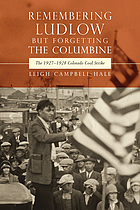
Leigh Campbell-Hale
This work examines the causes, context, and legacies of the Columbine Massacre in relation to the history of labor organizing, giving attention to a forgotten event remembered now as the Columbine Massacre, in which police shot and killed six striking coal miners and wounded sixty more protestors during the Colorado Coal Strike"-- Provided by publisher
This work examines the 1926 Columbine Massacre and its forgotten legacy
Leigh David Benin
This study examines how Progressive Labor, an antirevisionist offshoot of the Communist Party USA, attempted to revolutionize the labor front in New York City’s garment industry during the 1960s. An ideologically driven group, whose founders were loyal to Stalinism and attracted by Maoism, Progressive Labor set out in 1962 to become the vanguard of the American working class. Part I Reinventing American Communism: An Overview of Progressive Labor in the 1960s and 1970s, Chapter 1. Antirevisionism in Action: The Origin of the Progressive Labor Party, 1956-1965, Chapter 2. Purifying the Communist Movement and Searching for Utopia: Progressive Labor in Theory, 1965-1982, Chapter 3. Reform, Revolution, and the Search for the Working Class: Progressive Labor in Practice, 1962-1982, P art II New Communists in an Old Anticommunist Union: Progressive Labor and the International Ladies’ Garment Workers’ Union in the 1960s 69 Chapter 4. New Communists Challenge Old Socialists: Trespassing on “Dubinsky’s Plantation,” 1962-1966, Chapter 5. The Making of a Communist Trucker: The Political Apprenticeship of a Progressive Labor Colonizer in Garment Trucking, 1940-1966, Place: Progressive Labor, Garment Trucking and Local 32 , ILGWU, 1967-1970, Chapter 7. Anatomy of a Communist-Led Wildcat Strike: Progressive Labor, Figure Flattery and Local 32 , ILGWU, 1968, Chapter 8. Anatomy of an Anticommunist Purge: Progressive Labor, Figure Flattery, and Local 32, ILGWU, 1968-1969
Shows how a Stalinist organization attempted to organize and radicalize New York garment workers
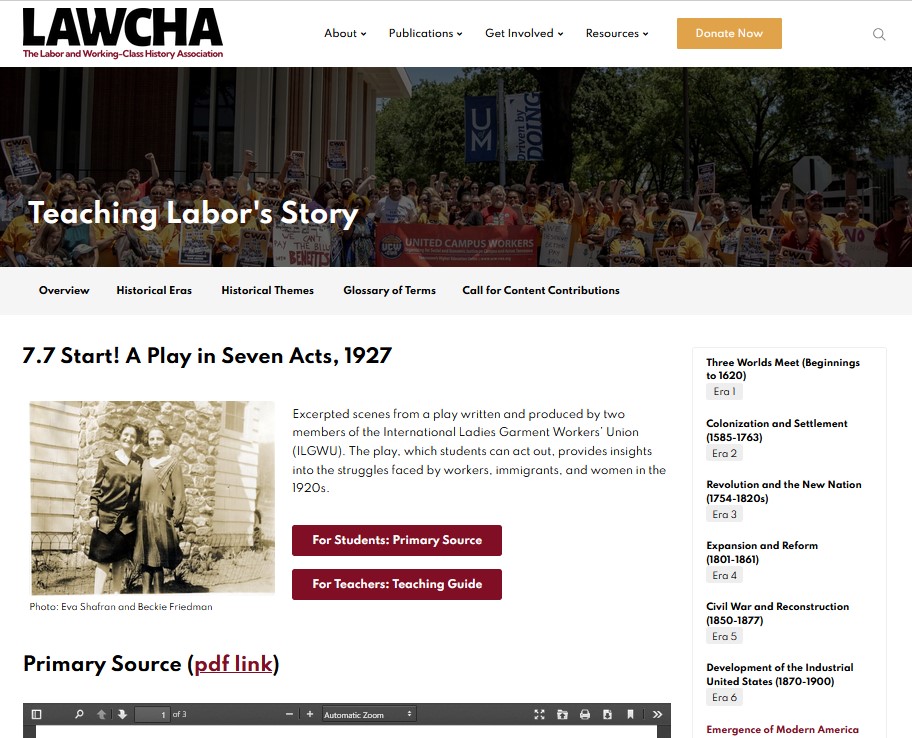
Leilah Danielson, Teaching Labor's Story
The primary source is an abridged excerpt of the first two scenes of this seven-scene drama. As the teaching guide essay explains, these scenes are entertaining, realistic, and pack in important insights into four major themes in labor history: tensions between first- and second-generation immigrant workers, tensions between craft- and industrial- unionists, the impact and threat posed by capital mobility, and the nature of labor feminism. These themes are threaded through all seven scenes; a citation to the full play is included.
This is a great example of the early 20th century workers education movement in action. Garment worker-playwrights Beckie Friedman and Eva Shafran used their understanding of the industry; of union solidarity; and the desires, foibles, and potential of fellow workers to craft educational entertainment.
A labor play from 1927 written by two garment worker-students at Brookwood Labor College.
Tells the story of Sonia, a garment worker sent to organize garment workers in New Jersey.
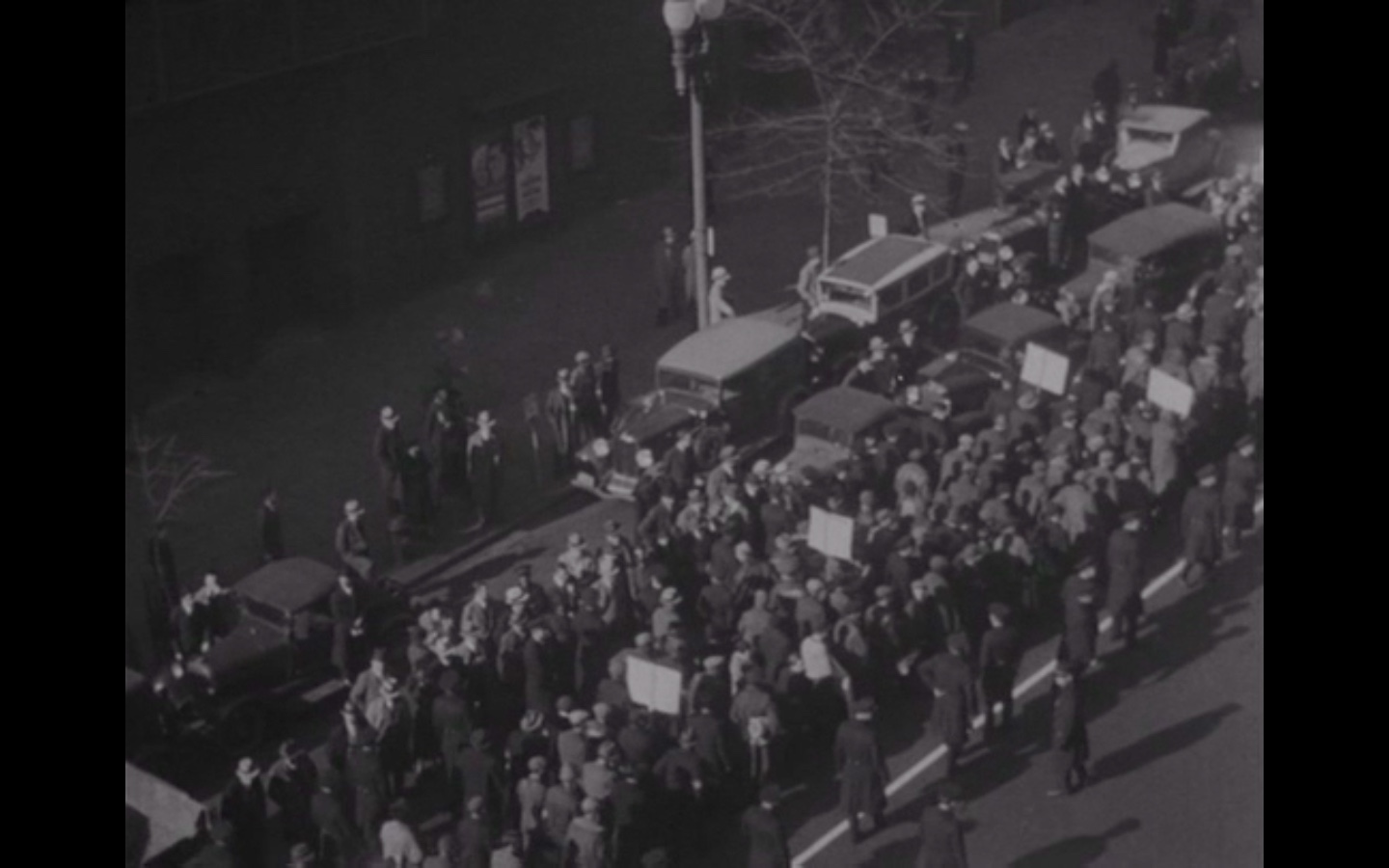
Leo Hurwitz
Edited version from the 1980s of the 1932 Hunger march. Another (original) version is available here: https://www.youtube.com/watch?v=teqB2x5nPfU
Leo Hurwitz
Resources
Video Interviews
Photographs
Printed Material
Collaborators
More
News
About
Contribute
Hunger
The National Hunger March to Washington 1932
Hurwitz’s first serious work in film was with the Workers Film and Photo League. The WFPL was begun in New York in 1930, in the depths of the Depression, by a dedicated group of leftist and left-liberal photographers, filmmakers, and critics. Hurwitz joined in its early stages, around 1931. Branches opened in other cities as the Depression lengthened, and League members undertook to photograph the breadlines and Hoovervilles, hunger and unemployment marches, restless protests and labor disputes. In short, their intent was to bear witness to the effects of economic and social (perhaps political) collapse and lend support for a progressive working-class movement in the U.S.
Their films were shown directly to workers’ groups, in union halls or strike headquarters or even outdoors at night. Without decent newsreels (and obviously without television or the internet), workers often knew little of similar struggles occurring around the country or abroad, nor of the widespread results of economic crisis and class conflicts. In addition to making mostly short topical films, the WFPL showed new documentaries from all over the world, instituted continuous discussions, both formal and informal about the art and craft of film making, and held classes about the budding art of the documentary film. The Film and Photo League films became solidifying agents in political education, aiming to inform, to build morale, and to agitate.
Leo Hurwitz's version of the 1932 Hunger March

Leo Hurwitz, Paul Strand, Paul Robeson
A documentary pro-unio film that treats blacklisting, Paul Robeson narrated. Memorial Day Massacre (Chicago 1937), calling it an acto f fascism, nad narrated by Paul Robeson.
By the start of World War II, Paul Robeson had given up his lucrative mainstream work to participate in more socially progressive film and stage productions. Robeson committed his support to Paul Strand and Leo Hurwitz's political semidocumentary Native Land. With Robeson's narration and songs, this beautifully shot and edited film exposes violations of Americans' civil liberties and is a call to action for exploited workers around the country. Scarcely shown since its debut, Native Land represents Robeson's shift from narrative cinema to the leftist documentaries that would define the final chapter of his controversial film career.
In dramatizations, we see a Michigan farmer beaten for speaking up at a meeting, a union man murdered in an apartment in Cleveland, two sharecroppers of the Southern Tenant Farmers Union in Fort Smith Arkansas shot by men deputized by the local sheriff, a spy stealing the names of union members, and a dead Chicago union man eulogized. In archival footage police and goons beat lawfully assembled union organizers,The narration celebrates patriotism and democracy.
Robeson's version of the four freedoms include the right to a job, adequate medical care, collective bargaining, and the need to live in peace. This is the prelude to the Economic Bill of Rights. Argued that fascism was not only a threat abroad, but a threat to the United States
A film about the exploitation of U.S. workers based on the 1938 report of the La Follette Committee's investigation of the repression of labor organizing.
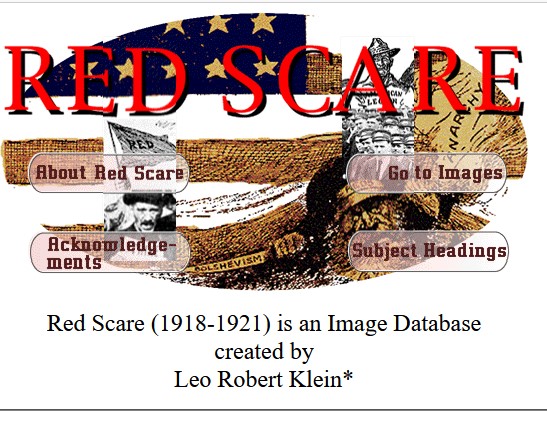
Leo Robert Klein
137 cartoons & a few photos RED SCARE is an image database about the period in the history of the United States immediately following World War I. The dates are approximately from the Armistice in November of 1918 to the collapse of hyper-inflation in mid-1920. Within these two dates the country witnessed--not so much in rapid succession as concurrently--a deadly flu epidemic, a strike wave of unparalled proportions, harsh suppression in some cases of those strikes, race riots, hyper-inflation, mass round-ups and deportations of foreign born citizens, expulsion of duely-elected officials from various offices in government, an incapacitated president, espionage laws, sedition laws and, of course, the advent of Prohibition and women's suffrage.
It was a time then of great upheaval, of right-thinking men--in the words of Walter Lippmann--"scared out of their wits". It is this fear that Red Scare seeks to document, not only as it related to what variously were called "Reds", "Anarchists", "Outside Foreign-Born Radical Agitators" and the like (though of course they play an important role here), but rather the whole breadth of experiences from this period of which the anti-red hysteria was one symptom. Indeed, it is because the anti-red hysteria was so emblematic of the time, that we use it in the context of this database as a short-hand way of expressing the whole period.
137 cartoons from post-WWI red scare
Leon Fink
These nine essays by a prominent scholar in American labor history self-consciously evoke the tensions between the worker as historical subject and the historian as outside observer. Encompassing studies of labor culture, strategy, and movement building from the late nineteenth century to the present, In Search of the Working Class also connects the trials of the early labor economists to the conceptual challenges facing today's academic practitioners.
1. John R. Commons, Herbert Gutman, and the Burden of Labor History
2. Class Conflict American-Style
3. Politics as Social History: A Case Study of Class Conflict and Political Development in Nineteenth-Century New England
4. A Labor Crusade behind the Magnolia Curtain: Hospital Workers and the Politics of Race and Class
5. The New Labor History and the Powers of Historical Pessimism: Consensus, Hegemony, and the Case of the Knights of Labor
6. Labor, Liberty, and the Law: Trade Unionism and the Problem of the American Constitutional Order
7. Looking Backward: Reflections on Workers' Culture and Certain Conceptual Dilemmas within Labor History
8. "Intellectuals" versus "Workers": Academic Requirements and the Creation of Labor History
9. Culture's Last Stand? Gender and the Search for Synthesis in American Labor History
connects the trials of the early labor economists to the conceptual challenges facing today's academic practitioners.
Leon Fink
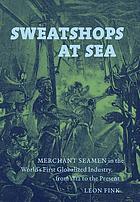
Fink explores both how political and economic ends are reflected in maritime labor regulations and how agents of reform--including governments, trade unions, and global standard-setting authorities--grappled with the problems of applying land-based, national principles and regulations of labor discipline and management to the sea-going labor force
explores both how political and economic ends are reflected in maritime labor regulations.
Leon Fink
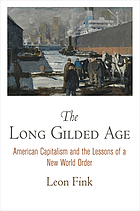
From the end of the nineteenth century through the first decades of the twentieth, the United States experienced unprecedented structural change. Advances in communication and manufacturing technology brought about a revolution for major industries such as railroads, coal, and steel. The still-growing nation established economic, political, and cultural entanglements with forces overseas. Local strikes in manufacturing, urban transit, and construction placed labor issues front and center in political campaigns, legislative corridors, church pulpits, and newspapers of the era.
The Long Gilded Age considers the interlocking roles of politics, labor, and internationalism in the ideologies and institutions that emerged at the turn of the twentieth century. Presenting a new twist on central themes of American labor and working-class history, Leon Fink examines how the American conceptualization of free labor played out in iconic industrial strikes, and how "freedom" in the workplace became overwhelmingly tilted toward individual property rights at the expense of larger individual property rights at the expense of larger community standards.
He investigates the legal and intellectual centers of progressive thought, situating American policy actions within an international context. In particular, he traces the development of American socialism, which appealed to a young generation by virtue of its very un-American roots and influences. The Long Gilded Age offers both a transnational and comparative look at a formative era in American political development, placing this tumultuous period within a worldwide confrontation between the capitalist marketplace and social transformation. -- from dust jacket
Chapters:
The American ideology
Great strikes revisited
The university and industrial reform
Labor's search for legitimacy
Coming of age in internationalist times
considers the interlocking roles of politics, labor, and internationalism in the ideologies and institutions that emerged at the turn of the twentieth century.
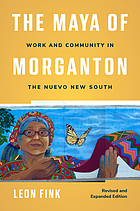
Leon Fink
In 2003, Leon Fink published his oral history of Guatemalan and Mexican migrants in Morganton, North Carolina, and their fight for unionization in a poultry processing plant. In the following years, Fink remained in touch with many of the people he profiled in the book, and in 2022 he returned to Morganton to interview them and talk with their children, new migrants in the area, and community leaders, particularly women. Their conversations covered a wide range of topics, including labor struggles and victories, grassroots and electoral political organizing, social activism (especially on issues affecting undocumented migrants), class mobility for second-generation migrants, and new cooperative worker-owned institutions, including a bookstore, a textile factory, and a preschool. This revised and expanded edition of The Maya of Morganton reveals what Fink found on his return to Morganton, documenting two decades of continuity and change in a new preface and chapter. Together, the new and original material present a comprehensive yet intimate examination of the migrant experience in western North Carolina
An oral history of Guatemalan and Mexican migrants in Morganton, North Carolina, and their fight for unionization in a poultry processing plant.

Leon Fink
The first major volume to place U.S.-centered labor history in a transnational focus, Workers Across the Americas collects the newest scholarship of Canadianist, Caribbeanist, and Latin American specialists as well as U.S. historians. These essays highlight both the supra- and sub-national aspect of selected topics without neglecting nation-states themselves as historical forces. Indeed, the transnational focus opens new avenues for understanding changes in the concepts, policies, and practice of states, their interactions with each other and their populations, and the ways in which the popular classes resist, react, and advance their interests.
What does this transnational turn encompass? And what are its likely perils as well as promise as a framework for research and analysis? To address these questions John French, Julie Greene, Neville Kirk, Aviva Chomsky, Dirk Hoerder, and Vic Satzewich lead off the volume with critical commentaries on the project of transnational labor history. Their responses offer a tour of explanations, tensions, and cautions in the evolution of a new arena of research and writing. Thereafter, Workers Across the Americas groups fifteen research essays around themes of labor and empire, indigenous peoples and labor systems, international feminism and reproductive labor, labor recruitment and immigration control, transnational labor politics, and labor internationalism. Topics range from military labor in the British Empire to coffee workers on the Guatemalan/Mexican border to the role of the International Labor Organization in attempting to set common labor standards. Leading scholars introduce each section and recommend further reading.
Preface
Leon Fink
I. Beyond Borders: The Challenge of Transnational Labor History
Introduction: Another 'World' History Is Possible: Latin Americanist Reflections on Translocal, Transnational, and Global History John French
Chapter 1: Historians of the World: Transnational Forces, Nation-States, and the Practice of U.S. HistoryJulie Greene
Chapter 2: Transnational Labor History: Promise and Perils Neville Kirk
Chapter 3: Labor History as World History: Linking Regions over Time Aviva Chomsky
Chapter 4: Overlapping Spaces: Transregional and Transcultural Dirk Hoerder
Chapter 5: Transnational Migration: A New Historical Phenomenon? Vic Satzewich
II. Labor and Empire
Introduction Alex Lichtenstein
Chapter 6: "Black service . . . white money": The Peculiar Institution of Military Labor in the British Army during the Seven Years' War Peter Way
Chapter 7: "We Speak the Same Language in the New World": Capital, Class, and Community in Mexico's "American Century" Steven Bachelor
III. Indigenous Peoples and Labor Systems
Introduction Colleen O'Neill
Chapter 8: Indigenous Labor in Mid-Nineteenth-Century British North America: The Mi'kmaq of Cape Breton and Squamish of British Columbia in Comparative Perspective Andrew Parnaby
Chapter 9: "De Facto Mexicans": Coffee Workers and Nationality on the Guatemalan/Mexican Border, 1931-1941 Catherine Nolan-Ferrell
IV. International Feminism and Reproductive Labor
Introduction Premilla Nadasen
Chapter 10: "No Right to Layettes or Nursing Time": Maternity Leave and the Question of United States Exceptionalism Eileen Boris
Chapter 11: The Battle Within the Home: International Women's Year 1975 and the Debate Over Development Feminism, and the Commodification of Caring Labors Jocelyn Olcott
V. Labor Recruitment and Immigration Control
Introduction Camille Guérin-Gonzales
Chapter 12: Feminizing White Slavery in the United States: Marcus Braun and the Transnational Traffic in White Bodies, 1890-1910 Gunther Peck
Chapter 13: Patronage and Progress: The Bracero Program from the Perspective of Mexico Michael Snodgrass
Chapter 14: Unspoken Exclusions: Race, Nation, and Empire in the Immigration Restrictions of the 1920s in North America and the Greater Caribbean Lara Putnam
VI. Transnational Labor Politics
Introduction Bryan D. Palmer
Chapter 15: Reclaiming Political Space: Workers, Municipal Socialism and the Reconstruction of Local Democracy in Transnational Perspective Shelton Stromquist
Chapter 16: A Migrating Revolution: Mexican Political Organizers and their Rejection of American Assimilation, 1920-40 John H. Flores
VII. Labor Internationalism
Introduction Nelson Lichtenstein
Chapter 17: Fugitive Slaves Across North America Jeffrey R. Kerr-Ritchie
Chapter 18: Movable Type: Toronto's Transnational Printers, 1866-1872 Jacob Remes
Chapter 19: Global Sea or National Backwater? The ILO, Protective Subsidies, and the Shoals of Solidarity Leon Fink
The first major volume to place U.S.-centered labor history in a transnational or U.S.-in-the-world focus.
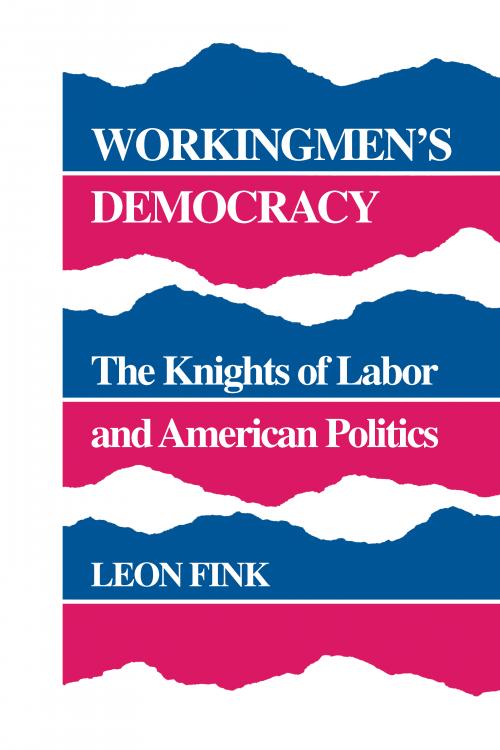
Leon Fink
Focusing on case studies in New Hampshire, Vermont, Kansas, Virginia, Wisconsin of the leading late-nineteenth insurgent labor movement. From the publisher: The rise and decline of the Knights of Labor in the 1880s and 1890s represents a crucial moment in the history of American labor. Leon Fink details the local labor parties and figures forged by the Knights of Labor during the Gilded Age. Fink focuses on the fortunes of the Knights in five cities to examine its involvement in local politics and analyze the essential factors behind its failures.
As he shows, the Knights viewed their labor work as a nonpolitical and labor action as voluntary within a civil society--fundamentally a conservative movement of renewal. Politics organically grew from the organization's economic, social, and cultural organizing. Yet capital and entrenched political interests considered the Knights dangerous and blunted its influence by moving power from local polities to statehouses. The Knights' failure to enlist rural voters limited its power to fight back while elites also attacked by recruiting members of underrepresented ethnic groups into the power structure. Predictably, the loss of economic power undid the Knights' other ventures. Detailed and informed by groundbreaking research, Workingmen's Democracy merges history with theory to offer a powerful portrait of misunderstood labor organization.
focus on the local labor parties and figures forged by the Knights of Labor, the insurgent labor organization of the Gilded Age.
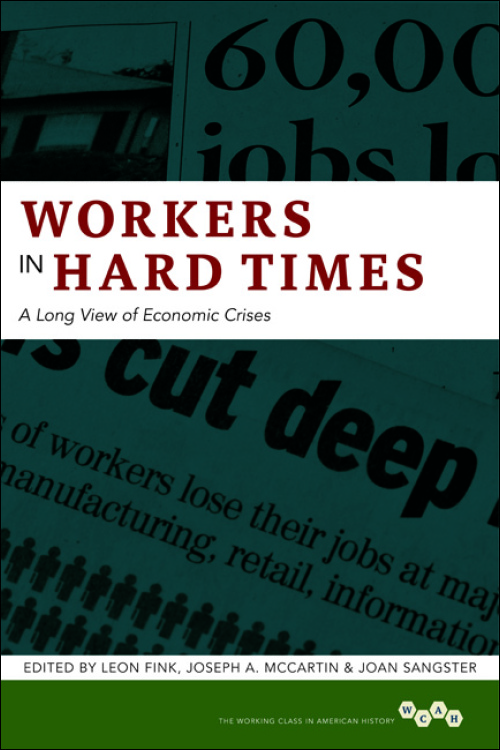
Leon Fink, Joseph A. McCartin, Joan Sangster
Seeking to historicize the 2007-2009 Great Recession, this volume of essays situates the current economic crisis and its impact on workers in the context of previous abrupt shifts in the modern-day capitalist marketplace. Contributors use examples from industrialized North America, South America, Europe, Asia, and Australia to demonstrate how workers and states have responded to those shifts and to their disempowering effects on labor.
Since the Industrial Revolution, contributors argue, factors such as race, sex, and state intervention have mediated both the effect of economic depressions on workers' lives and workers' responses to those depressions. Contributors also posit a varying dynamic between political upheaval and economic crises, and between workers and the welfare state.
The volume ends with an examination of today's "Great Recession": its historical distinctiveness, its connection to neoliberalism, and its attendant expressions of worker status and agency around the world. A sobering conclusion lays out a likely future for workers--one not far removed from the instability and privation of the nineteenth century.
The essays in this volume offer up no easy solutions to the challenges facing today's workers. Nevertheless, they make clear that cogent historical thinking is crucial to understanding those challenges, and they push us toward a rethinking of the relationship between capital and labor, the waged and unwaged, and the employed and jobless.
Contributors are Sven Beckert, Sean Cadigan, Leon Fink, Alvin Finkel, Wendy Goldman, Gaetan Heroux, Joseph A. McCartin, David Montgomery, Edward Montgomery, Scott Reynolds Nelson, Melanie Nolan, Bryan D. Palmer, Joan Sangster, Judith Stein, Hilary Wainright, and Lu Zhang.
Introduction 1
Part I: Depressions and Working-Class Lives
1. Marching under Flags Black and Red:Toronto’s Dispossessed in the Age of Industry 19 Gaetan Heroux and Bryan D. Palmer
2. Working People’s Responses to Past Depressions 45 David Montgomery
3. Soviet Workers and Stalinist Terror:The Crisis of Industrialization 60 Wendy Goldman
Part II: Economic Dislocation as Political Crisis
4. The Labor of Capitalism: Industrial Revolution and the Transformation of the Global Cotton-Growing Countryside 83 Sven Beckert
5. The Ordeal of Eugene Debs: The Panic of 1893,the Pullman Strike, and the Origins of the Progressive Movement 99Scott Reynolds Nelson
Part iii. Social-Welfare Struggles from the Liberal
to the neoliberal State
6. Workers’ Social-Wage Struggles during the Great Depressionand the Era of Neoliberalism: International Comparisons 113Alvin Finkel
7. Politics and Policies in the 1970s and Early Twenty-first Century:The Linked Recessions 141Judith Stein
8. Neoliberalism at Work in the Antipodean Welfare Statein the Late Twentieth Century: Collusion, Collaboration,and Resistance 161Melanie Nolan
Part IV. Workers and the Shakeupof the new World order
9. Want amidst Plenty: The Oil Boom and the Working Classin Newfoundland and Labrador, 1992–2010 187Sean Cadigan
10. Whose Hard Times? Explaining Autoworkers Strike Wavesin Recent-Day China 213 Lu Zhang
11. Transformative Power: Lessons from the Greek Crisisand Beyond 243 Hilary Wainwright
12. How Workers and the Government Have Dealt with Economic Crisis and Industrial Decline:1929 and 2007 263Edward Montgomery
Contributors 289
Index 293
This content downloaded from 46.110.6
encourages readers to rethink the relationship between capital and labor, the waged and unwaged, and the employed and jobless
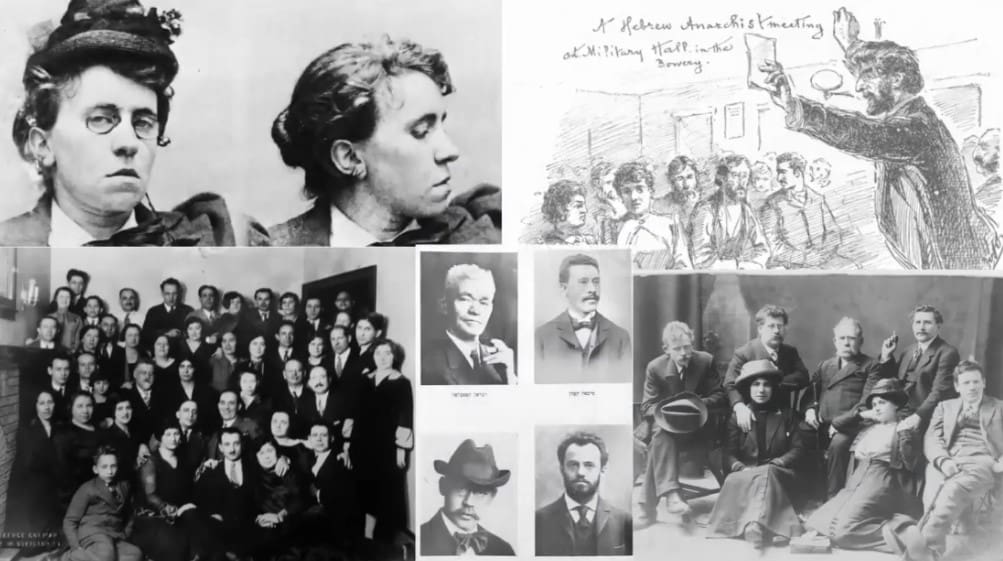
Leon Malmed, Emma Goldman
From Schlesinger library, selections of the larger collection of anarchist collections
Letters from Emma Goldman to Leon Malmed, photographs of Goldman, Malmed, and Alexander Berkman, printed ephemera, and writings by Goldman and others.
Museum/Exhibits
Tours
Maps
Digital Projects
Organizations
Sites
Film/Video
Audio/Interview
Podcast/Program
Text/Document
Image
Graphs/Data
Timeline
Southwest
West
Midwest
Southeast
Northeast
Mexico
Canada
Global
Books
Teaching
Lectures
Digital Archives
Journals
Bibliographies
Topic Intro