


Collections
Library
Type
Region
Coverage:
-
Published:
-

Miami Labor Citizen
"Organ of Florida Federation of Labor, Central Labor Union, Building Trades Council and Labor's Citizenship Committee." Miami’s only labor newspaper, the Miami News, changed its name to the Miami Citizen in November 1937 to avoid confusion with the Miami Daily News (OCLC 11571391.) As the official newspaper of the Florida Federation of Labor, Central Labor Union, Building Trades Council and Labor’s Citizenship Committee, the Miami Citizen promoted workers’ rights and labor interests. It claimed to be the “Only Labor Paper in Dade County” and was certainly the most widely distributed labor newspaper in the city. In 1949 the newspaper added ‘labor’ to its name and became the Miami Labor Citizen. In 1956 it dropped ‘Miami’ from its name, becoming Labor Citizen, to reflect its broadening geographic scope.
Most of the newspaper’s coverage focused on local unions and trades including but not limited to the Building and Trades Council, retail clerks, Women’s Union Label League, Central labor Union, electricians, Electrician’s Auxiliary, chauffeurs, bakers, musicians, Painter’s Local Union No. 365, Printers, Miami Typographical Union, Women’s Auxiliary to Typographer’s Local Union, and Local 172 National Federation of Post Office Clerks. Much of this content was submitted and managed by the unions themselves in recurring columns, such as the “Paint and Brush” or “Musicians’ Notes” or more complex mini publications such as “Post Office Clerks’ Mail” which had its own editor, mailing address, and volume numbering within the Citizen.
As the official organ of the Florida Federation of Labor, the Citizen also worked to unite local branches and strengthen labor at the state and national levels. It covered major news from labor organizations throughout Florida, especially in Tampa, and statewide legislation and elections with an emphasis on voter registration and voting initiatives. From late 1940 until early 1942 the Citizen also included a four-page once-monthly “Florida Industrial Forum” section edited by Walter Hoyt which offered deeper coverage of industry, labor, and legislation in Florida as well as the effects of national trends and federal policies on labor and industry in Florida.
Miami Florida Labor Paper

Miami Labor Citizen
Miami’s Central Labor Union decided to begin publishing a newspaper in March 1918, due to lack of publicity in the Miami Herald and the Miami Daily Metropolis. Miami’s only labor newspaper, the Miami News, changed its name to the Miami Citizen in November 1937 to avoid confusion with the Miami Daily News (OCLC 11571391.) As the official newspaper of the Florida Federation of Labor, Central Labor Union, Building Trades Council and Labor’s Citizenship Committee, the Miami Citizen promoted workers’ rights and labor interests. It claimed to be the “Only Labor Paper in Dade County” and was certainly the most widely distributed labor newspaper in the city. In 1949 the newspaper added ‘labor’ to its name and became the Miami Labor Citizen. In 1956 it dropped ‘Miami’ from its name, becoming Labor Citizen, to reflect its broadening geographic scope. Most of the newspaper’s coverage focused on local unions and trades including but not limited to the Building and Trades Council, retail clerks, Women’s Union Label League, Central labor Union, electricians, Electrician’s Auxiliary, chauffeurs, bakers, musicians, Painter’s Local Union No. 365, Printers, Miami Typographical Union, Women’s Auxiliary to Typographer’s Local Union, and Local 172 National Federation of Post Office Clerks. Much of this content was submitted and managed by the unions themselves in recurring columns, such as the “Paint and Brush” or “Musicians’ Notes” or more complex mini publications such as “Post Office Clerks’ Mail” which had its own editor, mailing address, and volume numbering within the Citizen.
Miami Florida Labor Paper
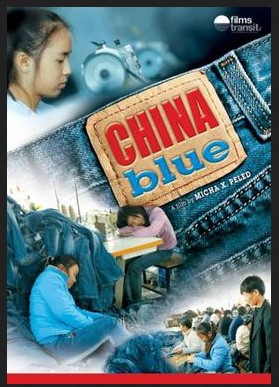
Micha X. Peled
International Woodworkers of America, CIO, Woodworkers, IWA
A PBS video documenting the development of globalization through a discussion of Chinese-produced blue jeans, outsourcing, and cost-cutting.
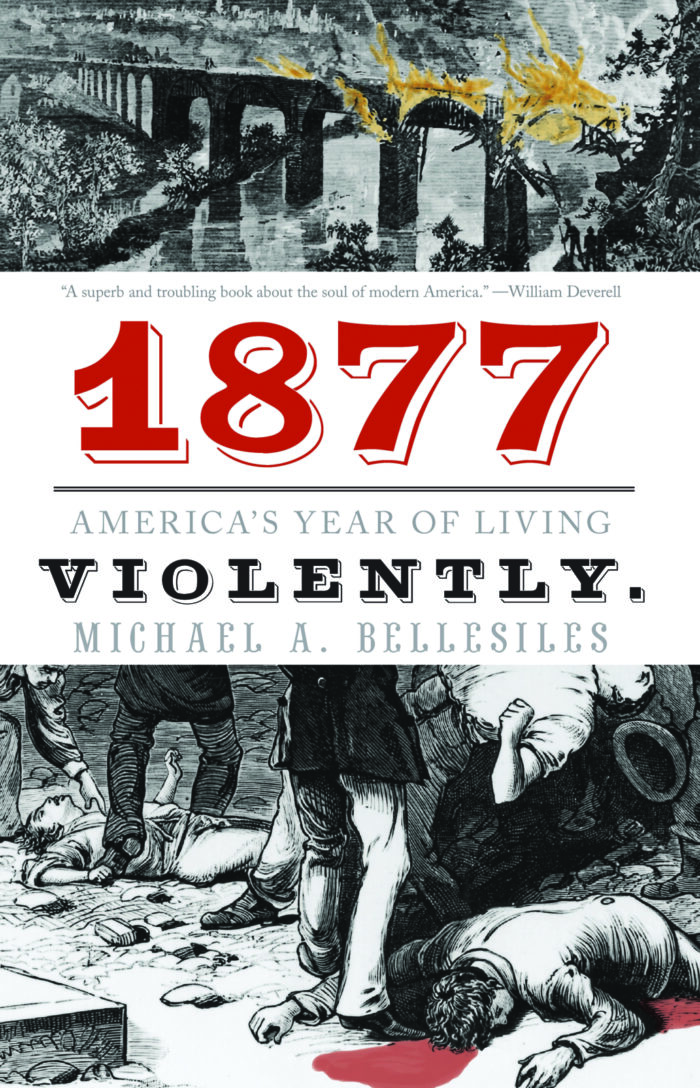
Michael A. Bellesiles
Describes a time of upheaval in America--when the country was in a deep economic depression, white supremacists roamed the South, and a nationwide railroad strike led to bloodshed--and discusses how the events of 1877 also fueled cultural and intellectual innovation
discusses the importance of the events of 1877 in paving the way for America's future social, political, and economic state
Michael C. Batinski
"This detailed yet comprehensive historiography charts the ways that local historians in Jackson County, Illinois, marginalized and silenced Native American, African American, and working-class experiences--especially the violence toward Indian and black actors--in favor of a history centered on white privilege and progress"-- Provided by publisher
this historiography charts the ways that local historians in Jackson County, Illinois, marginalized and silenced Native American, African American, and working-class experiences.
Michael D. Thompson
Working on the Dock of the Bay explores the history of waterfront labor and laborers -- black and white, enslaved and free, native and immigrant -- in Charleston, SC, between the American Revolution and Civil War. Michael D. Thompson explains how a predominantly enslaved workforce laid the groundwork for the creation of a robust and effectual association of dockworkers, most of whom were black, shortly after emancipation. In revealing these wharf laborers' experiences, Thompson's book contextualizes the struggles of contemporary southern working people. Like their postbellum and present-day counterparts, stevedores and draymen laboring on the wharves and levees of antebellum cities -- whether in Charleston or New Orleans, New York or Boston, or elsewhere in the Atlantic World -- were indispensable to the flow of commodities into and out of these ports. Despite their large numbers and the key role that waterfront workers played in these cities' premechanized, labor-intensive commercial economies, too little is known about who these laborers were and the work they performed. Though scholars have explored the history of dockworkers in ports throughout the world, they have given little attention to waterfront laborers and dock work in the pre--Civil War American South or in any slave society. Aiming to remedy that deficiency, Thompson examines the complicated dynamics of race, class, and labor relations through the street-level experiences and perspectives of workingmen and sometimes workingwomen. Using this workers'-eye view of crucial events and developments, Working on the Dock of the Bay relocates waterfront workers and their activities from the margins of the past to the center of a new narrative, reframing their role from observers to critical actors in 19th century American history. Organized topically, this study is rooted in primary source evidence including census, tax, court and death records; city directories and ordinances; state statutes; wills; account books; newspapers; diaries; letters; and medical journals
relocates waterfront workers and their activities from the margins of the past to the center of a new narrative

Michael D. Wise
Wise argues that contestations between Native and non-Native people over hunting, labor, and the livestock industry drove the development of predator eradication programs in Montana and Alberta from the 1880s onward. The history of these anti-predator programs was significant not only for their ecological effects, but also for their enduring cultural legacies of colonialism in the Northern Rockies Introduction
1. Wolves and whiskey
2. Beasts of bounty
3. Making meat
4. The place that feeds you
5. Unnatural hunger
Conclusion
argues that contestations between Native and non-Native people over hunting, labor, and the livestock industry drove the development of predator eradication programs in Montana and Alberta.
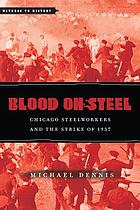
Michael Dennis
A pivotal moment in the history of the movement for working-class democracy, the "Memorial Day Massacre" vividly captured the conflicting ideals of workers’ rights and the sanctity of private property. On Memorial Day 1937, thousands of steelworkers, middle-class supporters, and working-class activists gathered at Sam's Place on the Southeast Side of Chicago to protest Republic Steel’s virulent opposition to union recognition and collective bargaining. By the end of the day, ten marchers had been mortally wounded and more than one hundred badly injured, victims of a terrifying police riot. Sam's Place, the headquarters for the steelworkers, was transformed into a bloody and frantic triage unit for treating heads split open by police batons, flesh torn by bullets, and limbs mangled badly enough to require amputation. While no one doubts the importance of the Memorial Day Massacre, Michael Dennis identifies it as a focal point in the larger effort to revitalize American equality during the New Deal. In Blood on Steel, Dennis shows how the incident—captured on film by Paramount newsreels—validated the claims of labor activists and catalyzed public opinion in their favor. In the aftermath of the massacre, Senate hearings laid bare patterns of anti-union aggression among management, ranging from blacklists to harassment and vigilante violence. Companies were determined to subvert the right to form a union, which Congress had finally recognized in 1935. Only in the following year would Congress pass the Fair Labor Standards Act, which established a minimum wage and a maximum work week, outlawed child labor, and regulated hazardous work. Like the Wagner Act that protected collective bargaining, this law aimed to protect workers who had suffered the worst of what the Great Depression had inflicted. Dennis's wide-angle perspective reveals the Memorial Day Massacre as not simply another bloody incident in the long story of labor-management tension in American history but as an illustration of the broad-based movement for social democracy which developed in the New Deal era.
Shows how the 1937 Memorial Day Massacre validated the claims of labor activists and catalyzed public opinion in their favor, leading to federal pro-union legislation
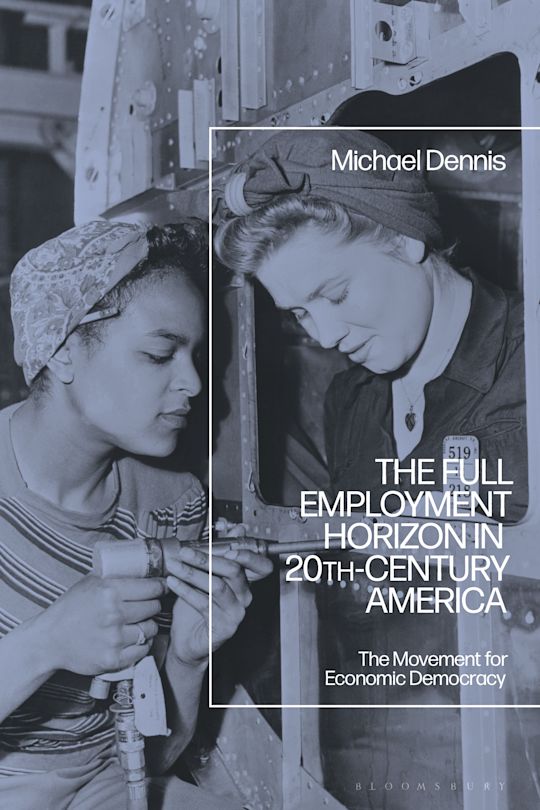
Michael Dennis
Through moments of social protest, policy debate, and popular mobilization, this book follows the campaign for economic democracy and the fight for full employment in the United States. Starting in the 1930s, Dennis explores its intellectual and philosophical underpinnings, the class struggle that determined the fate of legislation and the role of left-wing civil rights activists in its revival.
Demonstrating how the campaign for full employment intersected with movements for women's liberation and civil rights, it explores how social groups and oppressed minorities interpreted and appropriated the promise of full employment. For many, full employment provided an indispensable path to racial and gender emancipation. In this book, Dennis uncovers the class dimensions and the resistance to full employment in the US. He demonstrates how the recurring debates over full employment consistently exposed the contradictions inherent in a capitalist society and challenged the assertion that an allegedly free enterprise system automatically generated employment for all.
Introduction
1. The Horizon of Possibility
2. The Expanding Horizon of Change
3. A War Against Want, Senator James Murray
4. The People's Struggle
5. Out of Rebellion and into the Morass
6. The Day of Structural Economic Reform is Not Over
7. The Vitality of the Improbable: The Campaign for a Job Guarantee and the Radical Possibilities of Full Employment in the 1970s
8. An Idea in Search of a Movement
Conclusion
The Movement for Economic Democracy
Michael Dennis
Through moments of social protest, policy debate, and popular mobilization, this book follows the campaign for economic democracy and the fight for full employment in the United States. Starting in the 1930s, Dennis explores its intellectual and philosophical underpinnings, the class struggle that determined the fate of legislation and the role of left-wing civil rights activists in its revival"-- Provided by publisher
explores the labor movement's intellectual and philosophical underpinnings, the class struggle that determined the fate of legislation and the role of left-wing civil rights activists in its revival.
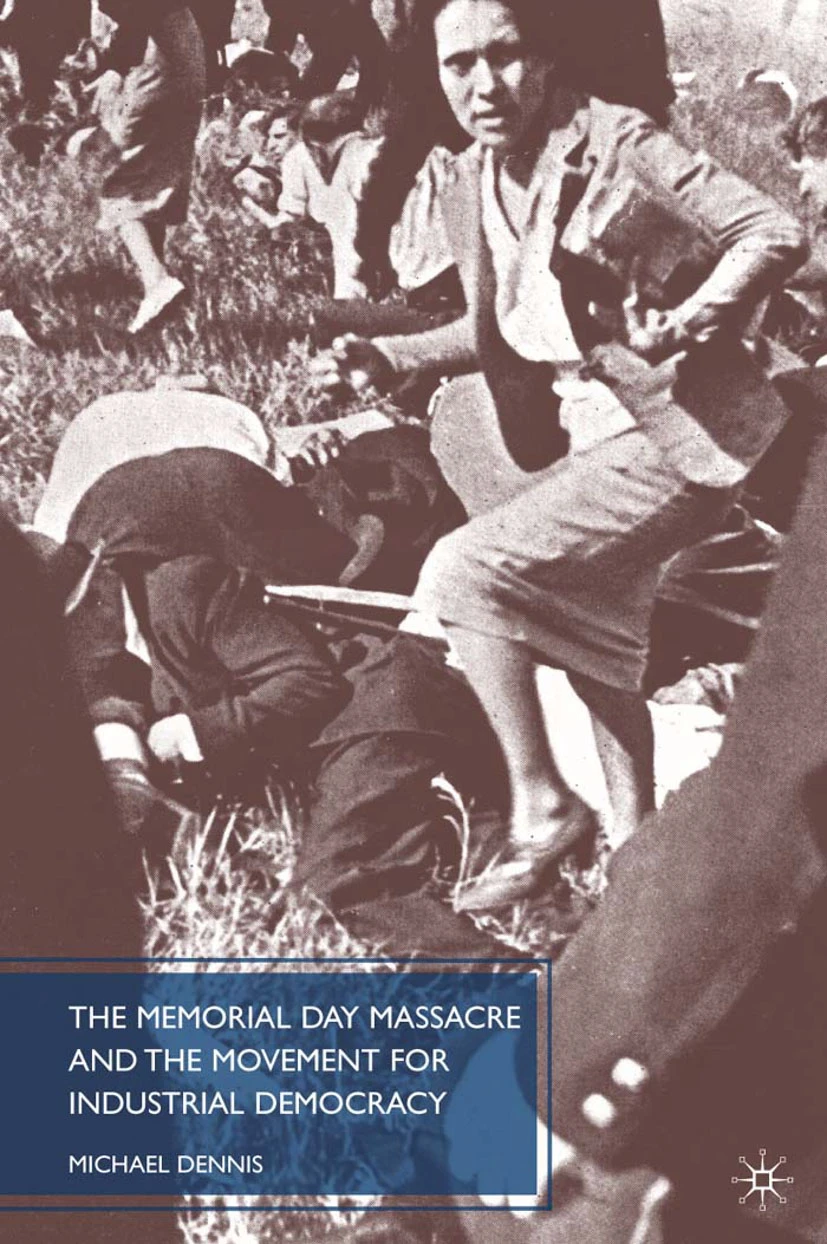
Michael Dennis
It was one of the most remarkable events in the modern movement for American democracy, yet few know anything about it. Dubbed the Memorial Day "Massacre," it saw the Chicago police shoot and kill 10 demonstrators and beat dozens as they tried to picket in front of the ReIntroduction: Forgotten memorials
Fire, steel, and the coming crisis: the 1920s in Chicago and America
Out of despair
Hammer and tong: the struggle for steel
Loading the charge: The steelworkers organize
Irresistible forces: conflict at Republic Steel
"Trouble is certain to follow"
A Sunday to remember
Counterrevolution: the campaign against industrial democracy
"A major breakdown of democratic government
"Ruthlessness and disregard for the law": after the massacre
"The day is coming ..."public Steel Plant in South Chicago. The protest grew out of the 1937 "Little Steel" strike, one of the most fractious labor disputes in the nation's history. It was the culmination of a movement for industrial democracy that had its origins in the mills and the mines of Gilded Age America
This book explores the Memorial Day Massacre, an event where Chicago police shot and killed ten demonstrators and beat more than one hundred others as they tried to form a mass picket line at the Republic Steel Plant in South Chicago.
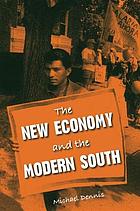
Michael Dennis
"The technological revolution of the late twentieth century evokes images of California's Silicon Valley, NASDAQ traders on Wall Street, and techno-savvy hipsters in Seattle. This revolution played a key role in the global economic shift from industrial to increasingly service-oriented production, known as the New Economy." "Until the 1990s, Virginia and the South had for centuries stood at the center of American global integration. Virginians, like most average Americans, were drawn into the flow of economic changes that fundamentally altered their sense of possibility and eroded the moderate economic security they had achieved in the post-war era. Massive corporate downsizing, re-engineering, and outsourcing would have seemed to move the South from center to the margin of the New Economy."
The South in the era of market dominance
Reengineered and rewired: downsized business and the insecure worker
After the deluge: office workers and the era of uncertainty in Virginia
Wealth against commonwealth: Southern labor in the era of market dominance
Trading in Southern futures: NAFTA and Virginia
Virginia is for business: selling the commonwealth in the competition era
Dreams of revolution: Virginia's conservatives in the 1990s
Democratic vistas in the Old Dominion: organizing for change among working Virginians
Only yesterday: hope and disillusionment at the end of a century
explores the result of the Sunbelt South's success in attracting both high-tech and manufacturing firms.
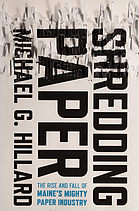
Michael G. Hillard
From the early twentieth century until the 1960s, Maine led the nation in paper production. The state could have earned a reputation as the Detroit of paper production, however, the industry eventually slid towards failure. What happened? Shredding Paper unwraps the changing US political economy since 1960, uncovers how the paper industry defined and interacted with labor relations, and peels away the layers of history that encompassed the rise and downfall of Maine's mighty paper industry. Michael G. Hillard deconstructs the paper industry's unusual technological and economic history. For a century, the story of the nation's most widely read glossy magazines and IMB card stock was one of capitalism, work, accommodation, and struggle. Local paper companies in Maine dominated the political landscape, controlling economic, workplace, land use, and water use policies. Hillard examines the many contributing factors surrounding how Maine became a paper powerhouse and then shows how it lost that position to changing times and foreign interests. Through a retelling of labor relations and worker experience from the late nineteenth century up until the late-nineties, Hillard highlights how national conglomerates began absorbing family-owned companies, which were then subject to Wall Street demands for greater short-term profits after 1980. This new political economy impacted the economy of the entire state, and destroyed Maine's once-vaunted paper industry. Shredding Paper truthfully and transparently tells the great and grim story of blue-collar workers and families and analyzes how paper workers themselves formulated a "folk" version of a history of capitalism in their industry. Ultimately, Hillard offers a telling example of the demise of big industry in the United States
See author interview at https://lawcha.org/2022/12/30/michael-hillard-on-his-book-shredding-paper/
peels away the layers of history that encompassed the rise and downfall of Maine's mighty paper industry
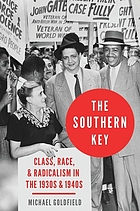
Michael Goldfield
The South is today, as it always has been, the key to understanding American society, its politics, its constitutional anomalies and government structure, its culture, its social relations, its music and literature, its media focus, its blind spots, and virtually everything else. The Golden Key argues that much of what is important in American politics and society today was largely shaped by the successes and failures of the labor movements of the 1930s and 1940s, and most notably the failures of southern labor organizing during this period. It also argues that these failures, despite some important successes in organizing interracial unions, left the South (and consequentially much of the rest of the United States as well) racially backward and open to right-wing demagoguery. These failures have led to a nationwide decline in unionization, growing economic inequality, and overall failures to confront white supremacy head on. In an in-depth look at unexamined archival material and detailed data, The Golden key challenges established historiography, both telling a tale of race, radicalism, and betrayal and arguing that the outcome was not at all predetermined"-- Provided by publisher
challenges established historiography, both telling a tale of race, radicalism, and betrayal and arguing that the outcome was not at all predetermined
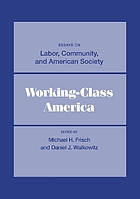
Michael H. Frisch
Joshua Freeman
A collection of essays focused on the human side of labor history.
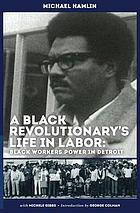
Michael Hamlin
A Black Revolutionary's Life in Labor: Black Workers Power in Detroit by Michael Hamlin with Michele Gibbs is a must read personal narrative of a book for labor activists, students and educators, community organizers and lovers of black history. In this candid narrative Hamlin exposes the horrors of growing up black in America from a Mississippi sharecropper's plantation to Korean War soldier, and ultimately truck driver for the Detroit News and his increasing rage at the system. Hamlin, a key organizer of DRUM and a leader of The League of Revolutionary Black Workers, describes his role in the 1960's and early 1970's when black assembly line workers shut down Chrysler Detroit's Dodge Main and Eldon Road auto plants to protest racial discrimination, safety violations and poor working conditions. The actions spawned a national revolutionary union movement built on black workers power. In documented conversation with Michele Gibbs, political activist, artist and poet, Hamlin offers an inside look at the development of the League and its internal struggles, analyzes historic gains made and lessons learned as they apply to the continuing fight for racial equality by the working class. The book includes a Readers Study Guide, appendices of documents, poetry, artwork and photos pertinent to the period.--Publisher's description
from sharecropper to radical labor revolutionary
Michael Hargis, Industrial Workers of the World, IWW
A Timeline list, expandable, of important events of Industrial Workers of the World events.
An outline timeline from the Industrial Workers of the World site
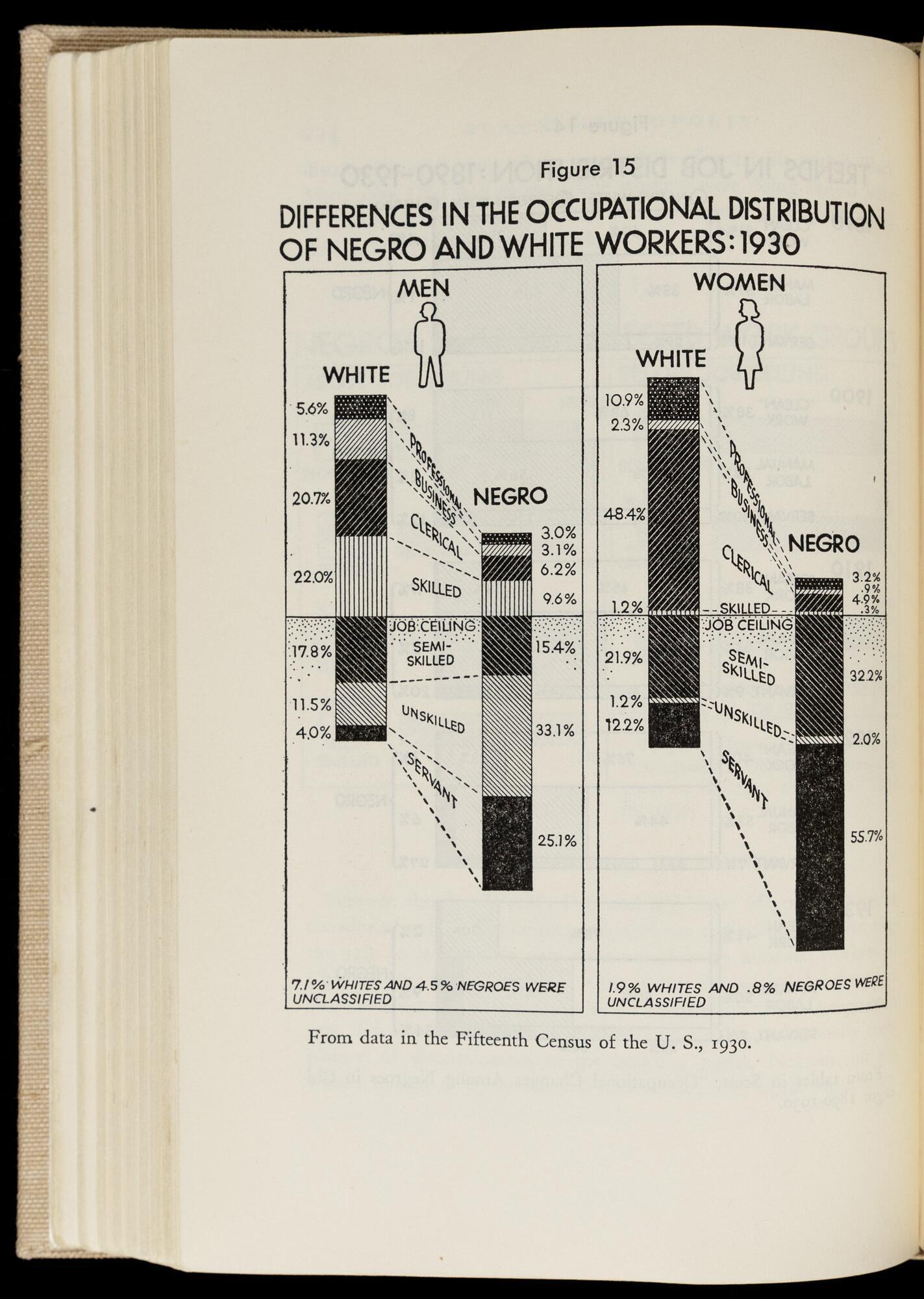
Michael Hines, Alexandrea Henry
In this lesson, students will engage with a variety of sources, which include charts, graphs, pamphlets, and interview responses from a large study to analyze the relationship between the Great Migration and the experiences of Black workers. By the end of this lesson, students will analyze these sources to evaluate whether the north was a “Promised Land” for Black migrants.
This lesson is designed to accommodate a variety of learning styles and is structured to include whole group instruction and discussions, small group activities, and individual application of the learned concepts. This lesson plan can be adapted to meet the needs of your individual class context.
Teacher guides and lesson plans for Black Labor and the Great Migration
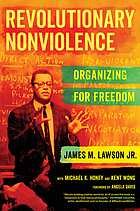
Michael Honey, Kent Wong, James M. Lawson
A persuasive account of the philosophy and power of nonviolence organizing, and a resource for building and sustaining effective social movements. Despite the rich history of nonviolent philosophy, many people today are unfamiliar with the basic principles and practices of nonviolence--even as these concepts have guided so many direct-action movements to overturn forms of racial apartheid, military and police violence, and dictatorships around the world.
Revolutionary Nonviolence is a crucial resource on the long history of nonviolent philosophy through the teachings of Rev. James M. Lawson Jr., one of the great practitioners of revolution through deliberate and sustained nonviolence. His ongoing work demonstrates how we can overcome violence and oppression through organized direct action, presenting a powerful roadmap for a new generation of activists.
Rev. Lawson's work as a theologian, pastor, and social-change activist has inspired hope and liberation for more than sixty years. To hear and see him speak is to experience the power of the prophetic tradition in the African American and social gospel. In Revolutionary Nonviolence,
Michael K. Honey and Kent Wong reflect on Rev. Lawson's talks and dialogues, from his speeches at the Nashville sit-in movement in 1960 to his lectures in the current UCLA curriculum. This volume provides a comprehensive introduction to Rev. Lawson's teachings on how to center nonviolence in successfully organizing for change
demonstrates how we can overcome violence and oppression through organized direct action, presenting a powerful roadmap for a new generation of activists.

Michael Innis-Jiménez
Since the early twentieth century, thousands of Mexican Americans have lived, worked, and formed communities in Chicago’s steel mill neighborhoods. Drawing on individual stories and oral histories, Michael Innis-Jiménez tells the story of a vibrant, active community that continues to play a central role in American politics and society.
Examining how the fortunes of Mexicans in South Chicago were linked to the environment they helped to build, Steel Barrio offers new insights into how and why Mexican Americans created community. This book investigates the years between the World Wars, the period that witnessed the first, massive influx of Mexicans into Chicago.
South Chicago Mexicans lived in a neighborhood whose literal and figurative boundaries were defined by steel mills, which dominated economic life for Mexican immigrants. Yet while the mills provided jobs for Mexican men, they were neither the center of community life nor the source of collective identity. Steel Barrio argues that the Mexican immigrant and Mexican American men and women who came to South Chicago created physical and imagined community not only to defend against the ever-present social, political, and economic harassment and discrimination, but to grow in a foreign, polluted environment. --from the publisher
Contents
List of Illustrations
Acknowledgments
Introduction 1
Part I: Migration
1 Mexico and the United States
2 Finding Work
3 People and Patterns
Part II: Community
4 Home and Work
5 Great and Small
6 Resistance
Part III: Endurance
7 The Great Depression
8 Teamwork
Epilogue
Notes
Bibliography
Index
Mexicans in Chicago’s steel mill neighborhoods
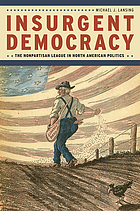
Michael J. Lansing
In 1915, western farmers mounted one of the most significant challenges to party politics America has seen: the Nonpartisan League, which sought to empower citizens and restrain corporate influence. Before its collapse in the 1920s, the League counted over 250,000 paying members, spread to thirteen states and two Canadian provinces, controlled North Dakota's state government, and birthed new farmer-labor alliances. Yet today it is all but forgotten, neglected even by scholars. Insurgent Democracy offers a new look at the Nonpartisan League and a new way to understand its rise and fall in the United States and Canada. Lansing argues that, rather than a spasm of populist rage that inevitably burned itself out, the story of the League is in fact an instructive example of how popular movements can create lasting change. Depicting the League as a transnational response to economic inequity, Lansing not only resurrects its story of citizen activism, but also allows us to see its potential to inform contemporary movements
an instructive example of how popular movements can create lasting change
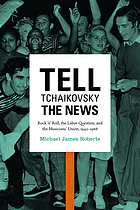
Michael James Roberts
For two decades after rock music emerged in the 1940s, the American Federation of Musicians (AFM), the oldest and largest labor union representing professional musicians in the United States and Canada, refused to recognize rock 'n' roll as legitimate music or its performers as skilled musicians. The AFM never actively organized rock 'n' roll musicians, although recruiting them would have been in the union's economic interest. In Tell Tchaikovsky the News, Michael James Roberts argues that the reasons that the union failed to act in its own interest lay in its culture, in the opinions of its leadership and elite rank-and-file members. Explaining the bias of union members—most of whom were classical or jazz music performers—against rock music and musicians, Roberts addresses issues of race and class, questions of what qualified someone as a skilled or professional musician, and the threat that records, central to rock 'n' roll, posed to AFM members, who had long privileged live performances. Roberts contends that by rejecting rock 'n' rollers for two decades, the once formidable American Federation of Musicians lost their clout within the music industry.
bias of union members—most of whom were classical or jazz music performers—against rock music and musicians
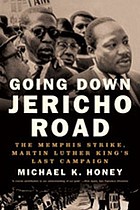
Michael K. Honey
The definitive history of the epic struggle for economic justice that became Martin Luther King Jr.'s last crusade. Memphis in 1968 was ruled by a paternalistic "plantation mentality" embodied in its good-old-boy mayor, Henry Loeb. Wretched conditions, abusive white supervisors, poor education, and low wages locked most black workers into poverty. Then two sanitation workers were chewed up like garbage in the back of a faulty truck, igniting a public employee strike that brought to a boil long-simmering issues of racial injustice. With novelistic drama and rich scholarly detail, Michael Honey brings to life the magnetic characters who clashed on the Memphis battlefield: stalwart black workers; fiery black ministers; volatile, young, black-power advocates; idealistic organizers and tough-talking unionists; the first black members of the Memphis city council; the white upper crust who sought to prevent change or conflagration; and, finally, the magisterial Martin Luther King Jr., undertaking a Poor People's Campaign at the crossroads of his life, vilified as a subversive, hounded by the FBI, and seeing in the working poor of Memphis his hopes for a better America
history of the Memphis sanitation worker's strike, the epic struggle for economic justice that became Martin Luther King Jr.'s last crusade.
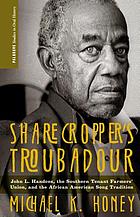
Michael K. Honey
Descended from African American slaves, Native Americans, and white slaveowners, John Handcox was born at one of the hardest times and places to be black in America. Over the first few decades of the twentieth century, he survived attempted lynchings, floods, droughts, and the ravages of the Great Depression to organize black and white farmers alike on behalf of the Southern Tenant Farmers' Union. He also became one of the most beloved folk singers of the prewar labor movement, composing songs such as "Roll the Union On" and "There Is Mean Things Happening in this Land" that bridged racial divides and kept the spirits of striking workers high. Though he withdrew from the public eye for nearly forty years, missing the "folk boom" of the 1960s, he resurfaced decades later--just in time to denounce the policies of the Reagan administration in song - and his work was embraced by new generations of labor activists and folk music devotees. Michael Honey's fascinating and beautifully told history gives us John Handcox in his own words, recounting a journey that began in a sharecropper's shack in the Deep South and went on to shape the labor music tradition, all amid the tangled and troubled history of the United States in the twentieth century [Publisher description]
from Southern Tenant Farmers' Union to one of the most beloved folk singers of the prewar labor movement
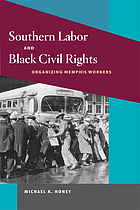
Michael K. Honey
Chronicles the rarely studied southern industrial union movement from the Great Depression to the cold war, using the strategically located river city of Memphis as a case study. Michael Honey analyzes the economic basis of segregation and the denial of fundamental human rights and civil liberties it entailed. Frequently telling his story through personal portraits of those directly involved, Honey documents the dramatic labor battles and sometimes heroic activities of organizers and ordinary workers that helped to set the stage for segregation's demise. His study of interracial industrial union organizing locates some of the roots of the 1960s civil rights struggles in this earlier era. Honey provides a new context for understanding Dr. Martin Luther King, Jr.'s 1968 campaign in support of poor people and black labor organizing in Memphis
analyzes the economic basis of segregation and the denial of fundamental human rights and civil liberties it entailed.
Museum/Exhibits
Tours
Maps
Digital Projects
Organizations
Sites
Film/Video
Audio/Interview
Podcast/Program
Text/Document
Image
Graphs/Data
Timeline
Southwest
West
Midwest
Southeast
Northeast
Mexico
Canada
Global
Books
Teaching
Lectures
Digital Archives
Journals
Bibliographies
Topic Intro