


Collections
Library
Type
Region
Coverage:
-
Published:
-

Pedro Naranjo, History Matters
In the late 17th-century, Spain’s empire in the Americas extended north to New Mexico, Texas, Arizona, and California, where Spanish soldiers, settlers, and missionaries began to settle. The missionaries resettled the indigenous Pueblo people into peasant communities, building forts and missions to subdue and convert them to Catholicism. The New Mexico Pueblo people resisted Spanish conversion efforts and forced labor demands. Their sporadic resistance became a concerted rebellion in 1680 under the leadership of the charismatic El Pope. The revolt was the most successful of Native American efforts to turn back European colonists, and for over a decade the Pueblos were free from intrusion. But in 1690 the Pueblos were weakened by drought and Apache and Comanche raiders from the north. Spain retook territory and interrogated and punished the rebels in their “reconquest” of the Pueblo. A Keresan Pueblo man called Pedro Naranjo offered his view of the rebellion and its causes.
narrative of 1680 Pueblo revolt

Penn State University Libraries' Special Collections
The Pennsylvania State University Libraries’ Eberly Family Special Collection houses nationally significant collections documenting industrial and labor history in the core Pennsylvania coal and steel industries. Inclusive collections spotlight managerial and technological history, as well as labor-management relations within these industries. Moreover, several collections document the rise of 20th industrial unionism in America—a transformative movement that contributed to the rise of the middle-class and a counterbalance to concentrated corporate power and anti-union forces.
This guide highlights digital resources for research related to the history of coal, steel, and industrial unionism. Many of the featured resources were digitized with the generous support of a Mellon Foundation funded Council on Library and Information Resources (CLIR) Digitizing Hidden Special Collections & Archives grant. The selected collections encompassing the proposed digital project are national, regional, and local in scope, documenting the impact of the 20th century industrial union movement in coal mining and steel manufacturing centers extending from the Mid-Atlantic region to Appalachia and the deep South, and the Midwest, east of the Mississippi.
A guide to digitized primary sources for labor history research at Penn State.

Penn State University Libraries' Special Collections
Steel Workers Organizing Committee (SWOC) records
John Chorey papers
Scrapbook from the pivotal leader, John Chorey, and union organizer in the Pittsburgh area steel industry during the formative years of the Steel Workers Organizing Committee (SWOC) and Congress of Industrial Organizations (CIO).
Howard Truman Curtiss papers
The collection contains archival materials highlighting Curtiss' activities as a Steel Workers Organizing Committee staff representative and organizer, and United Steelworkers of America district director.
Harold Rasmussen scrapbooks, badges, and buttons collection
This collection from the steel industry labor official Harold Rasmussen contains archival materials on the Amalgamated Association of Iron, Steel and Tin Workers, SWOC, the Congress of Industrial Organizations, and the United Steelworkers of America
Amalgamated Association of Iron, Steel, and Tin Workers of North America records
These records document the organizing efforts of the Amalgamated Association in Pennsylvania West VIrginia and Ohio from 1892 through the period following its consolidation as part of the CIO in 1935. Minute books, photos, ledgers,
George Medrick papers
Medrick’s papers include diaries, scrapbooks, photographs, correspondence, legal documents, and organizing records from across his involvement with the United Mineworkers of American and the United Steelworkers of America from roughly 1922 to 1964. The materials in this collection document Medrick’s role in various striking efforts include the Bituminous Coal Strike of 1927 and the Steel Strike of 1959, as well as Medrick’s as an organizer in West Virginia, Pennsylvania, and Kentucky.
Philip Murray papers
These materials contain scrapbooks, correspondence, clippings, records, photographs, and artifacts relating to both Murray’s career and personal life with the bulk of materials covering the years between 1936 and 1952. The scrapbooks document key moments in organizing history, including the first Carnegie Illinois Steel Corporation SWOC contract, proposals for peace between the AFL and CIO, and the Philip Murray and John L. Lewis feud, among others.
United Steelworkers of America, District 33 records
These records consist of materials from United Steelworkers of America District 33, which coordinated local unions in the iron region of Minnesota and upper Michigan from 1942 to 1955. This collection includes local union contracts and correspondence as well as conference records, administrative files, scrapbooks, minute books, and photographs from approximately 1937 to 1985. The records cover various topics related to the organizing effort including district restructuring, the steel strikes of 1946 and 1959, and the campaign visit of John F. Kennedy in 1960, among others.
George Hoenshel Fleming, Sr. family papers
These digital surrogates consist of a commemorative scrapbook Fleming created to document an event honoring Pressed Steel Car Company's production in service of World War II. The scrapbook documents a company event honoring the efforts of workers who awarded the Army-Navy "E" Production Award on March 23, 1943. During World War II, the Pressed Steel Car Company successfully mobilized and converted from peace time production to produce tanks and bomb shell casings for the war effort. The documentation includes: photographs, an event program, two promotional broadsides, event ribbons, and letters of invitation to corporate dignitaries and legislators.
several digitized collections relating to the Steel Workers Organizing Committee, the CIO steelworkers union, personal collections and leadership records
Penn State University Libraries' Special Collections
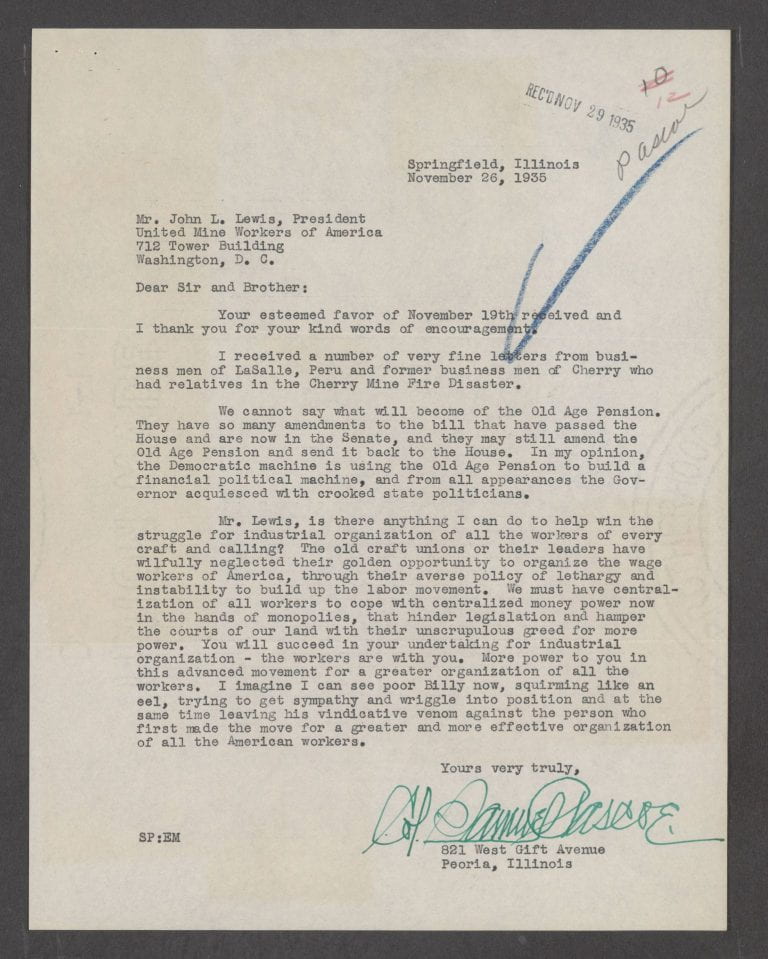
Workers United Activity This activity uses a Letter to CIO leader John L. Lewis about how workers can build unity. Using a worksheet, students are guided t0 consider the letter-writer’s question. Teachers should have students brainstorm to come up with a list of the individuals they know that work. Students should note the commonalities these individuals share as well as the differences (i.e., the industries they work for, their individual identities or shared roles, and common conceptions of what work is, etc.). Following the creation of such a list, students should consider the challenges that these groups of workers face in their daily lives. What concerns or issues do they recognize as part of the experience of these workers. In what ways might their priorities align and in what ways might their priorities differ based on their lived experiences?
Following a group discussion, each student should use the Workers United Letter Writing worksheet to write their own letter to Lewis as a response to the letter above. Each letter should include a list of ways they think they could improve conditions for all workers in a way that helps unite workers across their separate identities while still accepting and thoughtfully engaging with their differences.
United Mine Workers of America President John L. Lewis first brought together the group that would become the Committee on Industrial Organization (CIO) at the annual American Federation of Labor (AFL) Convention in Atlantic City, New Jersey in 1935. From its outset, Lewis’s effort proved contentious. Then AFL President William Green and the AFL’s Executive Council denounced the CIO and attempted to force the CIO to disband through threats of punitive action from November 1935 through January 1936.
One significant factor that discouraged the AFL from supporting CIO efforts to unionize industrial workers within included the political consequences of opening the union halls to new groups. The AFL traditionally aligned itself with craft unions and skilled workers, often intentionally excluding so called semi-skilled or un-skilled workers for fear that their inclusion would weaken the job security and wages of skilled laborers. AFL leaders reinforced these divisions between skilled and un-skilled workers for both economic and political reasons: skilled workers largely consisted of native-born white men that resented the social and political impact of including semi-skilled and un-skilled groups of workers typically comprised of non-native populations, ethnic minorities, African-Americans, women, and at times individuals that identified intersectionally among these groups. At the time, the AFL excluded many of these workers as a way to ensure their own social and political supremacy in efforts to collectively bargain for the highest wages and best working conditions to go to their members the skilled workers that largely consisted of native-born white men.
Workers United Activity
United Mine Workers of America President John L. Lewis first brought together the group that would become the Committee on Industrial Organization (CIO) at the annual American Federation of Labor (AFL) Convention in Atlantic City, New Jersey in 1935. From its outset, Lewis’s effort proved contentious. Then AFL President William Green and the AFL’s Executive Council denounced the CIO and attempted to force the CIO to disband through threats of punitive action from November 1935 through January 1936.
One significant factor that discouraged the AFL from supporting CIO efforts to unionize industrial workers within included the political consequences of opening the union halls to new groups. The AFL traditionally aligned itself with craft unions and skilled workers, often intentionally excluding so called semi-skilled or un-skilled workers for fear that their inclusion would weaken the job security and wages of skilled laborers. AFL leaders reinforced these divisions between skilled and un-skilled workers for both economic and political reasons: skilled workers largely consisted of native-born white men that resented the social and political impact of including semi-skilled and un-skilled groups of workers typically comprised of non-native populations, ethnic minorities, African-Americans, women, and at times individuals that identified intersectionally among these groups. At the time, the AFL excluded many of these workers as a way to ensure their own social and political supremacy in efforts to collectively bargain for the highest wages and best working conditions to go to their members the skilled workers that largely consisted of native-born white men.
Workers United Activity Students find commonalities these individuals share as well as the differences
Penn State University Libraries' Special Collections
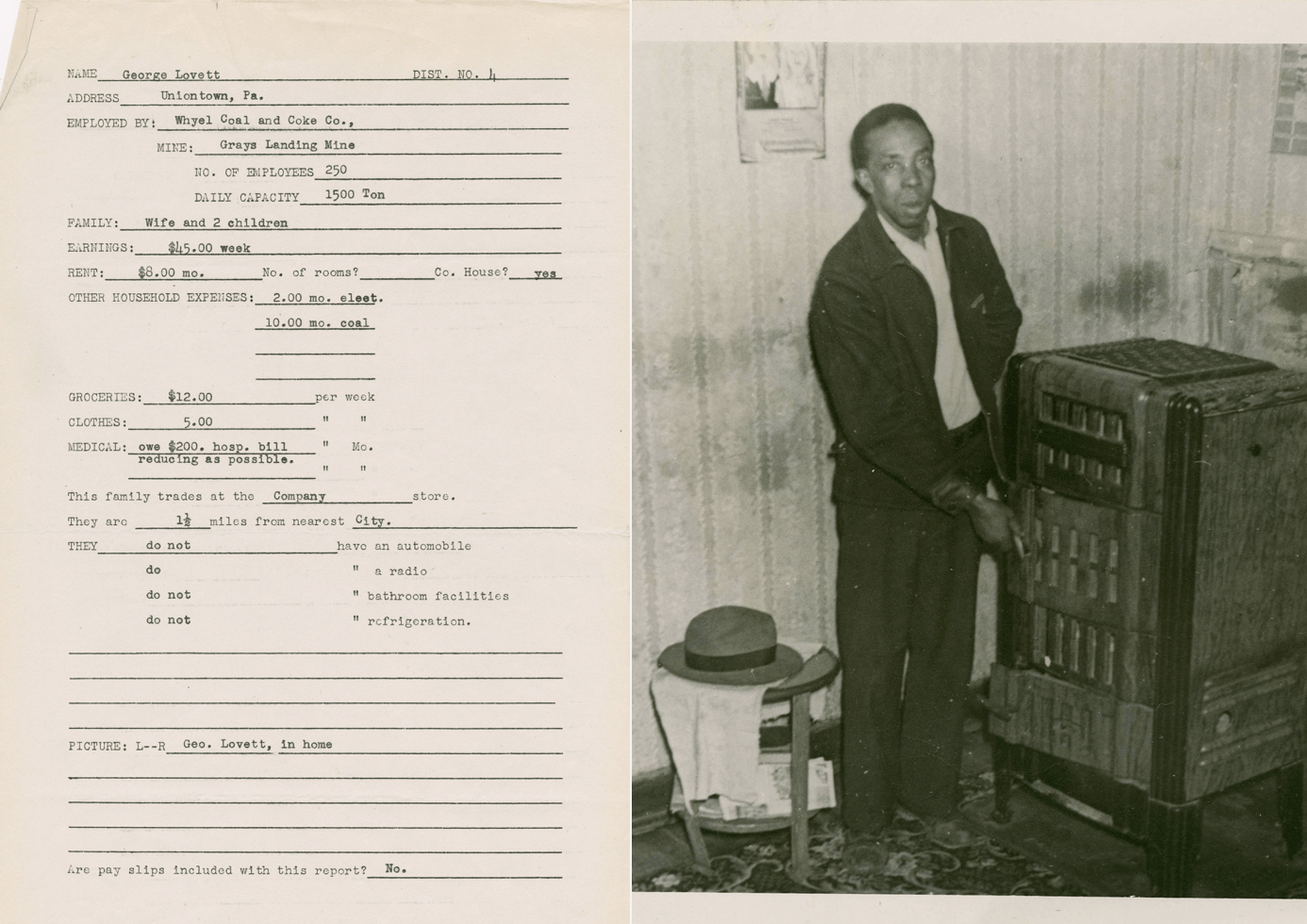
Throughout the duration World War II, American industrial labor supplied the raw materials that fueled the war effort. Yet as the war raged on abroad, American workers increasingly fought for the public to acknowledge that harsh working conditions and systemic poverty that faced laborers on the home front. During this critical juncture, the United Mine Workers undertook a survey to document the living conditions of mine workers in rural American.
an exercise for high school level that gets at labor, pay and racial discrimination; value placed on American workers

Penn State University Libraries' Special Collections
United Mine Workers of America Story Map
Between 1943 and 1944 the UMWA undertook a survey of the economic and living conditions of miners and their families in isolated coal mining patches and settlements throughout the United States. Hired social and field workers compiled a wealth of economic data in the form of survey sheets and photo-documentary evidence of the quality of life among miners. The UMWA used this survey information and accompanying photographic evidence to address a number of issues—substandard wages, poor housing conditions, and lack of adequate health care. The survey was a critical prelude for the UMWA’s push for federal legislation to establish funding for miners; healthcare and pensions—supported by a corporate tax on tonnage mined.
The UMWA Story Map Journal integrates data and photographic documentation compiled from the UMWA Miners ’Survey of 1943-1944, with overlapping GIS mapping content. The UMWA Story Map Journal serves as a resource for future digital scholarship involving the historical study of miners’ living conditions and regional poverty.
overview from 1943-1944

Penn State University Libraries' Special Collections
This is a massive set of records, over 150,000 pages, including:
United Mine Workers of America President’s Office correspondence
This correspondence documents the issues that filtered through district representatives to executives at UMW district and international offices, as well as the presidential decisions on action to be taken. Mine disasters, organizing activities, wildcat strikes, rivalries with competing regional unions, and diverse grievances are among the concerns that reached the president. https://libraries.psu.edu/about/collections/united-mine-workers-america-presidents-office-correspondence-districts-1894-1983
There is a small amount of President-District correspondence and related records for several districts from the period 1894-1910 and a slightly more substantial run in the years 1911-1919. The bulk of these records date from 1920-1982, during the presidencies of John L. Lewis, Thomas Kennedy, William Boyle, Arnold Miller, and Sam Church.
United Mine Workers of America photographic, graphic, and artifacts collection https://libraries.psu.edu/about/collections/united-mine-workers-america-photographic-graphic-and-artifacts-collection
These materials include a photographic survey of American miners’ homes, panoramic photographs of UMWA conventions and conferences, oversize graphics and cartoons, and reproduced images of original documentation exhibited by the UMWA, as well as several union related artifacts.
United Mine Workers of America Story Map https://psu-libs.maps.arcgis.com/apps/MapJournal/index.html?appid=2b51ef6402fd4048bef922e56ad409d7
Between 1943 and 1944 the UMWA undertook a survey of the economic and living conditions of miners and their families in isolated coal mining patches and settlements throughout the United States. Hired social and field workers compiled a wealth of economic data in the form of survey sheets and photo-documentary evidence of the quality of life among miners. The UMWA used this survey information and accompanying photographic evidence to address a number of issues—substandard wages, poor housing conditions, and lack of adequate health care. The survey was a critical prelude for the UMWA’s push for federal legislation to establish funding for miners; healthcare and pensions—supported by a corporate tax on tonnage mined.
The UMWA Story Map Journal integrates data and photographic documentation compiled from the UMWA Miners ’Survey of 1943-1944, with overlapping GIS mapping content. The UMWA Story Map Journal serves as a resource for future digital scholarship involving the historical study of miners’ living conditions and regional poverty.
district and national office records and photographs

Pennsylvania Anthracite Heritage Museum and Iron Furnace
The Anthracite Heritage Museum engages diverse audiences by interpreting, collecting, and presenting the story of hard coal mining, its related industries, the historic immigrant culture of northeastern Pennsylvania, and the evolution of the region’s culture. The Anthracite Heritage Museum is administered by the Pennsylvania Historical and Museum Commission and is actively supported by the Anthracite Heritage Museum and Scranton Iron Furnaces Associates, which is a non-profit community-based organization.
Includes Anthracite People permanent exhibit
Anthracite People is the story of immigration and ethnicity in the Anthracite Region of Northeastern Pennsylvania. From the Region’s first arrivals, Paleo-Indians, to the present day immigrants from Europe, Asia, Africa, and Latin America, the exhibit highlights themes of life and work. Major segments focus on the area’s historically leading industries—mining and textiles. They were men and women, adults and children. The immigrants came to the Anthracite Region from more than three dozen nations, and spoke nearly as many languages. Some were experienced workers; many more were peasants with no industrial job skills.
A tour through the galleries of the Anthracite Heritage Museum provide an insider’s view and understanding of the daily lives of the region’s coal, mill, and railroad families.
ALSO includes We Are Anthracite: New Voices of Anthracite Pennsylvania
The Anthracite region of Pennsylvania encompasses 13 counties in the northeast section of the state, which held nearly 90% of the global supply of anthracite coal. Almost all of the people who live here today were attracted directly or indirectly by the coal industry. The earliest Euro-American settlers in the region were farmers who, along with governments, supported the removal of the aboriginal Delaware People in the 18th century. Shortly thereafter, a coal industry developed, quickly and significantly changing regional and national landscapes. From the early 19th century, immigrant groups came primarily from Europe to mine coal and provide services to miners and mining companies. The region grew for over one and a half centuries. The Anthracite Heritage Museum tells the stories of the people who came here and established industries, communities, and shared cultures.
But there are other people in this region not well represented in the museum: groups who were here but are now gone, current groups that have been here from the beginning of the industry, and groups new to the region. They are each active community members, and are impacted by and have an impact on the other community groups and cultures. They are ethnic groups, religious groups, cultural groups, or groups linked by race, language, work, gender, or sexual orientation.
This project presents an opportunity for the museum to share the stories of people who were not the miners or directly engaged in anthracite production. These are the stories of people who were here to support and provide services to the broader community, descendant populations, and people who came here as the industry declined and new, smaller industries developed to take advantage of infrastructure and housing surpluses. We are all here because of the anthracite. We are all Anthracite.
We are Anthracite: New Voices of Anthracite Pennsylvania shares stories of new and long-standing communities outside of the coal community and under-represented by the museum.
engages diverse audiences by interpreting, collecting, and presenting the story of hard coal mining, its related industries, the historic immigrant culture of northeastern Pennsylvania, and the evolution of the region’s culture. Includes focus on immigrants of the past and recent immigrants
Pennsylvania Anthracite Heritage Museum and Iron Furnace
Offers tours with reservations for guided information Scranton Iron Furnaces located on Cedar Avenue in Scranton, please follow the same procedure listed above for tours at the Museum.
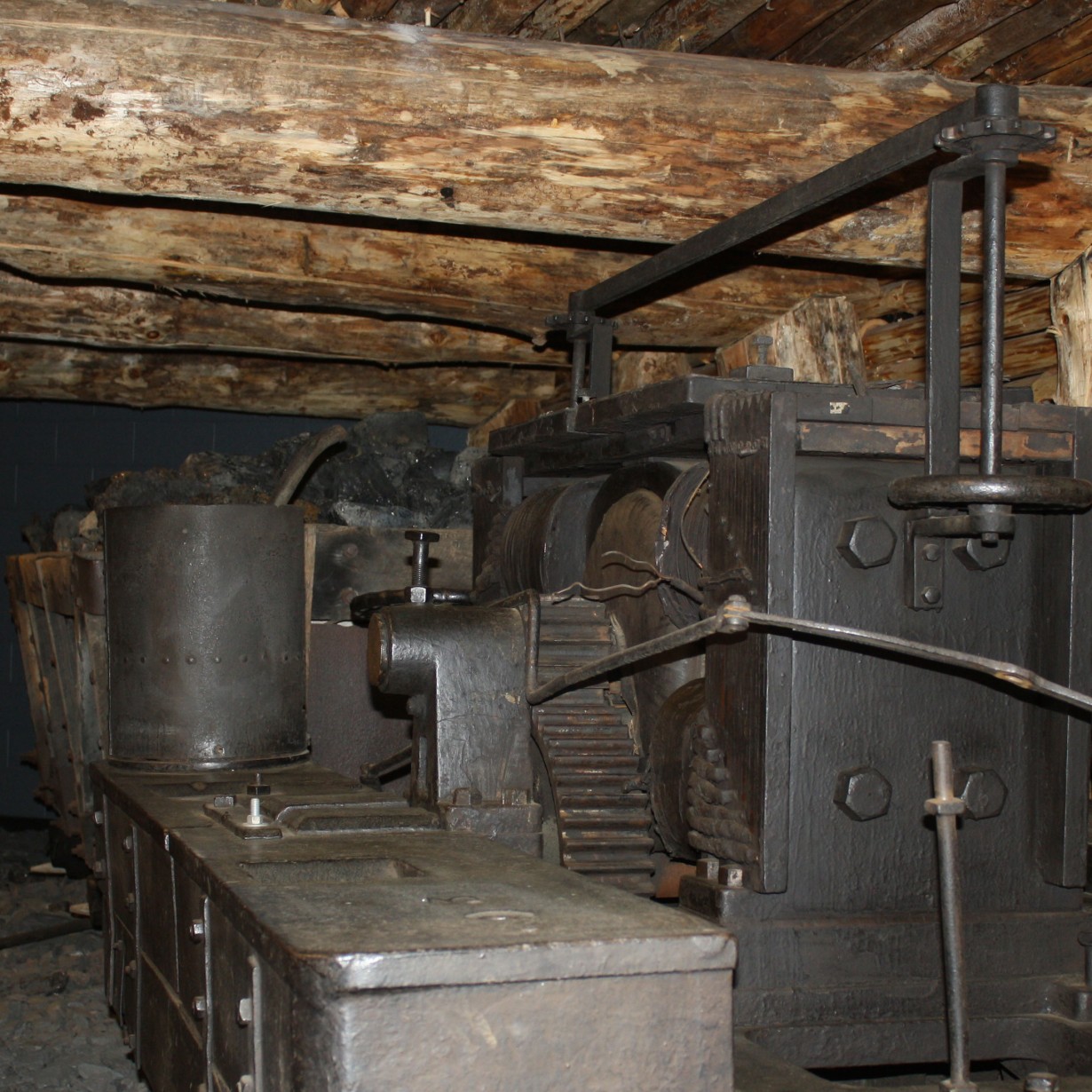
and the Lackawanna Coal Mine Tour
Located near the Steamtown National Historic Site, the Scranton Iron Furnaces represent the early iron industry in the United States. The four massive stone blast furnaces are the remnants of a once extensive plant operated by the Lackawanna Iron & Steel Company. Started in 1840 as Scranton, Grant & Company, the firm had the largest iron production capacity in the United States by 1865. By 1880 it poured 125,000 tons of pig iron, which was converted in its rolling mill and foundry into T-rails and other end products. In 1902, the company dismantled the plant and moved it to Lackawanna, New York to be closer to the high-grade iron ores coming out of the Mesabi Range.
https://www.rpspharmacy.com/product/cialis-generic/
The Scranton Iron Furnaces educates the public about the site of the Lackawanna Iron and Coal Company and its impact upon the nation’s industrial revolution demonstrating the relevance of industrial history in our lives. The Scranton Iron Furnaces are administered by the Pennsylvania Historical and Museum Commission and are actively supported by the Anthracite Heritage Museum and Iron Furnaces Associates which is a non-profit community based organization.
Scranton Iron Furnaces located on Cedar Avenue in Scranton, please follow the same procedure listed above for tours at the Museum.
and the
Lackawanna Coal Mine Tour
Pennsylvania Gazette
Four ads from the Pennsylvania Gazette that detail the activities of runaway indentured servants in early America between 1733 and 1742. Part of a useful syllabus for an online course developed by Professor Gerald Zahavi (University at Albany).
A series of ads for runaway indentured servants that give insight on their occupations, background, appearance, and the lengths authorities might go through to capture them.
Pennsylvania Labor History Society
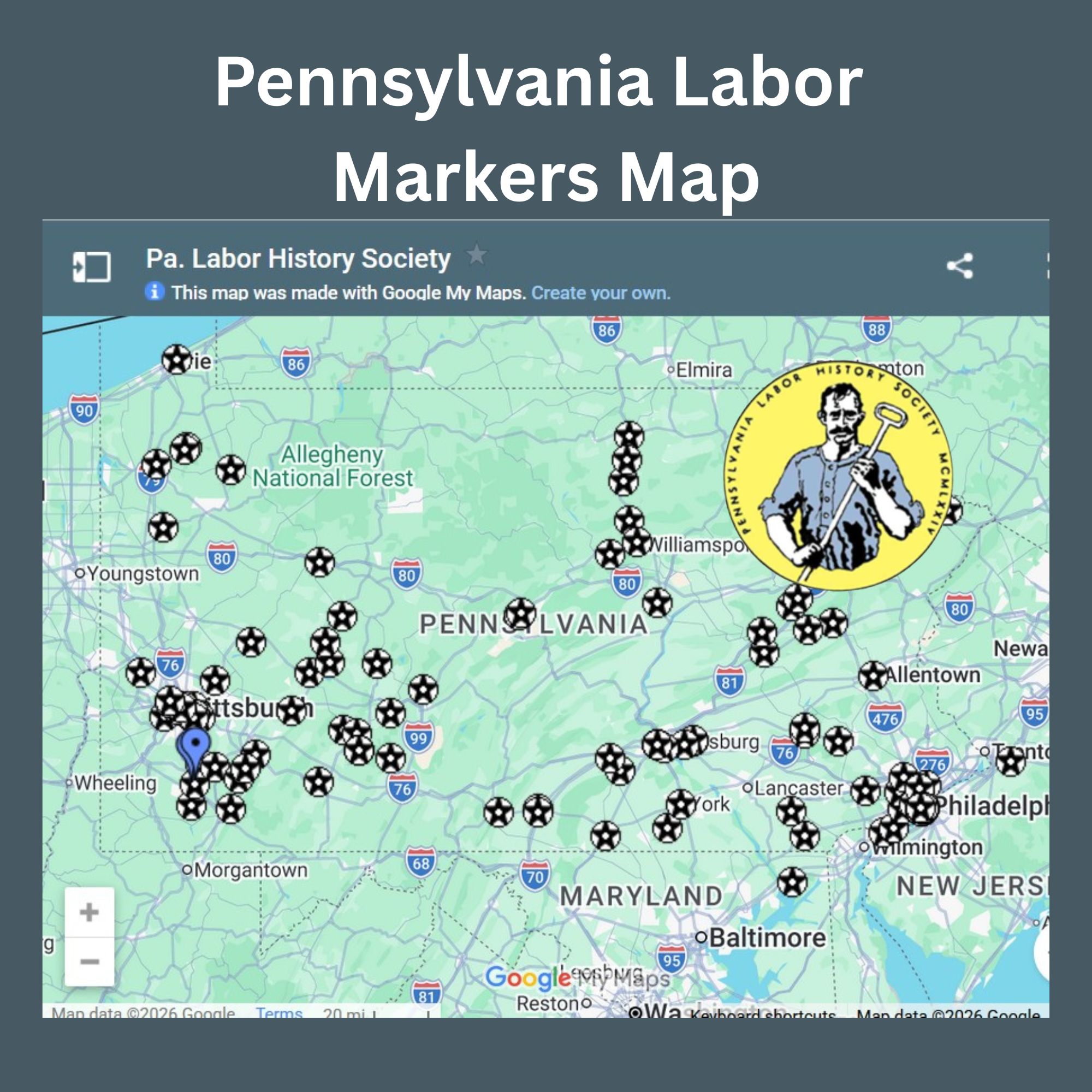
This is a guide and map to dozens of Pennsylvania labor history markers that have been developed since 1946. CIties and mining regions dominate, but many spread across the state, and each of them have materials such as more information and even lesson plans
This is likely the most labor history markers in any state. There is a google map listing at this site.

Pennsylvania Labor History Society
Founded in 1973, the Pennsylvania Labor History Society (PLHS) focuses on documenting and commemorating the history of workingwomen and workingmen and their labor struggles in the Commonwealth of Pennsylvania. PLHS members are volunteers, including steelworkers, coal miners, postal workers, schoolteachers, social workers, factory operators, office workers, textile workers, hotel and motel workers, and students, all of whom share a love of labor history.
To speak historical truth to today’s power structures, the Pennsylvania Labor History Society organizes an annual conference to honor labor heroes, significant strikes, mining disasters, massacres of workers, and path-breaking labor events by dedicating a Pennsylvania State Historical and Museum Commission Marker to tell the story of that individual or event. The Conference also recognizes current labor leaders by awarding a Mother Jones Award, William Sylvis Organizing Award, and a John Brennan Labor Education Award to recognize their dedication and efforts to make a better life for workers.
A PLHS Journal is published annually.The Journal reports on the activities of the Society and endeavors to inspire readers that in order “to promote the general welfare, happiness, and the common good,” one must join with their co-workers and ORGANIZE!
An active labor history society that puts on a conference each year

Pennsylvania Labor History Society, Charles L Lumpkins
The timeline of labor history in Pennsylvania lists significant events and influential persons in the labor movement and/or in working-class life and culture in the Commonwealth of Pennsylvania. The timeline includes entries of non-native Pennsylvanians and events outside of Pennsylvania that shaped and reshaped labor history in Pennsylvania.
TImeline from 1688 to 2013, a work in progress
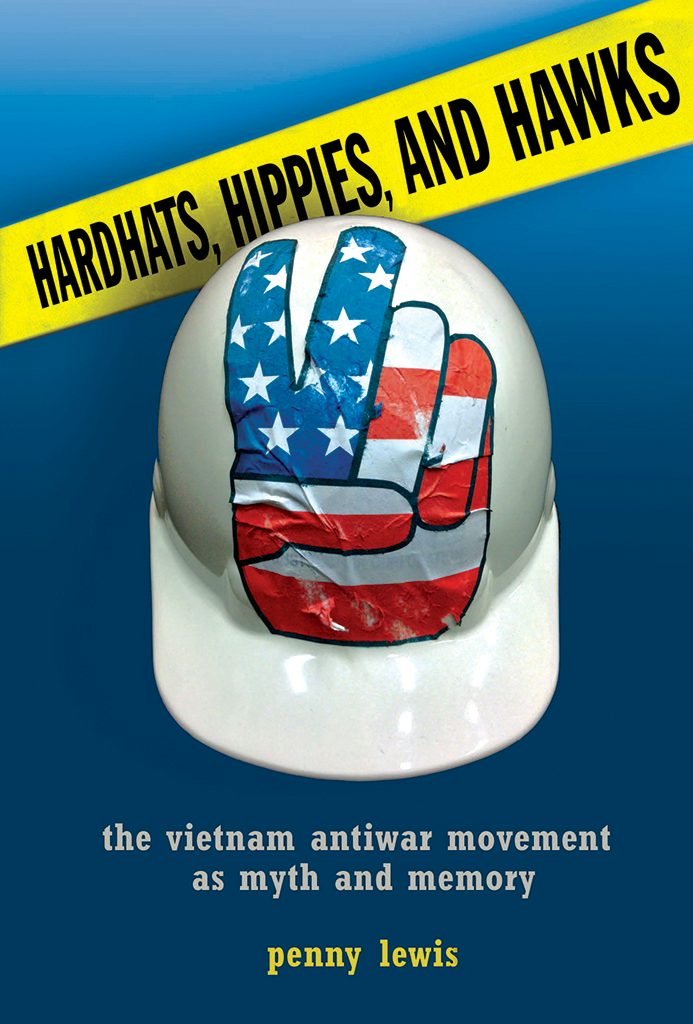
Penny W. Lewis
In the popular imagination, opposition to the Vietnam War was driven largely by college students and elite intellectuals, while supposedly reactionary blue-collar workers largely supported the war effort.
In Hardhats, Hippies, and Hawks, Penny Lewis challenges this collective memory of class polarization. Through close readings of archival documents, popular culture, and media accounts at the time, she offers a more accurate "counter-memory" of a diverse, cross-class opposition to the war in Southeast Asia that included the labor movement, working-class students, soldiers and veterans, and Black Power, civil rights, and Chicano activists.
Lewis investigates why the image of antiwar class division gained such traction at the time and has maintained such a hold on popular memory since. Identifying the primarily middle-class culture of the early antiwar movement, she traces how the class interests of its first organizers were reflected in its subsequent forms.
The founding narratives of class-based political behavior, Lewis shows, were amplified in the late 1960s and early 1970s because the working class, in particular, lacked a voice in the public sphere a problem that only increased in the subsequent period, even as working-class opposition to the war grew.
By exposing as false the popular image of conservative workers and liberal elites separated by an unbridgeable gulf, Lewis suggests that shared political attitudes and actions are, in fact, possible between these two groups."--Publisher's description
a diverse, cross-class opposition to the war that included the labor movement, working-class students, soldiers and veterans, and Black Power, civil rights, and Chicano activists.

Peter Benson
Benson tracks the development of tobacco farming since the plantation slavery period and the formation of a powerful tobacco industry presence in North Carolina. In recent decades, tobacco companies that sent farms into crisis by aggressively switching to cheaper foreign leaf have coached growers to blame the state, public health, and aggrieved racial minorities for financial hardship and feelings of vilification.
Economic globalization has exacerbated social and racial tensions in North Carolina, but the corporations that benefit from it have rarely been considered a key cause of harm and instability, and have now adopted social-responsibility platforms to elide liability for smoking disease.
Parsing the nuances of history, power, and politics in rural America, Benson explores the cultural and ethical ambiguities of tobacco farming and offers concrete recommendations for the tobacco-control movement in the United States and worldwide."
PART I The Tobacco Industry, Public Health, and Agrarian Change
Chapter 1 Most Admired Company
Chapter 2 The Jungle
Chapter 3 Enemies of Tobacco
PART II Innocence and Blame in American Society
Chapter 4 Good, Clean Tobacco
Chapter 5 El Campo
Chapter 6 Sorriness
Conclusion: Reflections on the Tobacco Industry (and American Exceptionalism)
Bibliography Index
Benson, Peter. Tobacco Capitalism : Growers, Migrant Workers, and the Changing Face of a Global Industry, Princeton University Press, 2011.
Explores the cultural and ethical ambiguities of tobacco farming and offers concrete recommendations for the tobacco-control movement in the United States and worldwide."
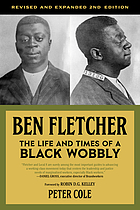
Peter Cole
"In the early twentieth century, when many US unions disgracefully excluded black and Asian workers, the Industrial Workers of the World (IWW) warmly welcomed people of color, in keeping with their emphasis on class solidarity and their bold motto: "An Injury to One Is an Injury to All!" Ben Fletcher: The Life and Times of a Black Wobbly tells the story of one of the greatest heroes of the American working class. A brilliant union organizer and a humorous orator, Benjamin Fletcher (1890-1949) was a tremendously important and well-loved African American member of the IWW during its heyday. Fletcher helped found and lead Local 8 of the IWW's Marine Transport Workers Industrial Union, unquestionably the most powerful interracial union of its era, taking a principled stand against all forms of xenophobia and exclusion"-- Provided by publisher
tells the story of one of the greatest heroes of the American working class, a brilliant African-American union organizer and a humorous orator, Benjamin Fletcher
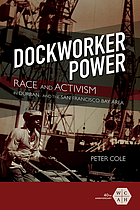
Peter Cole
Often missed in commentary on today's globalizing economy, workers in the world's ports can harness their role, at a strategic choke point, to promote their labor rights and social justice causes. Peter Cole brings such overlooked experiences to light in an eye-opening comparative study of Durban, South Africa, and the San Francisco Bay Area, California. Path-breaking research reveals how unions effected lasting change in some of the most far-reaching struggles of modern times. First, dockworkers in each city drew on longstanding radical traditions to promote racial equality. Second, they persevered when a new technology--container ships--sent a shockwave of layoffs through the industry. Finally, their commitment to black internationalism and leftist politics sparked transnational work stoppages to protest apartheid and authoritarianism. Dockworker Power not only brings to light surprising parallels in the experiences of dockers half a world away from each other. It also offers a new perspective on how workers can change their conditions and world
A comparative study of the dockworkers and unions of Durban, South Africa, and the San Francisco Bay Area, California
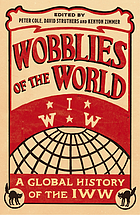
Peter Cole, David Struthers, Kenyon Zimmer, eds
The Industrial Workers of the World is a union unlike any other. Founded in 1905 in Chicago, it rapidly gained members across the world thanks to its revolutionary, internationalist outlook. By using powerful organising methods including direct-action and direct-democracy, it put power in the hands of workers. This philosophy is labeled as 'revolutionary industrial unionism' and the members called, affectionately, 'Wobblies'.
This book is the first to look at the history of the IWW from an international perspective. Bringing together a group of leading scholars, it includes lively accounts from a number diverse countries including Australia, Canada, Mexico, South Africa, Sweden and Ireland, which reveal a fascinating story of global anarchism, syndicalism and socialism. Drawing on many important figures of the movements such as Tom Barker, Har Dayal, Joe Hill, James Larkin and William D. "Big Bill" Haywood, and exploring particular industries including shipping, mining, and agriculture, this book describes how the IWW and its ideals travelled around the world."--Publisher's website
The first book, written by leading scholars, to look at the history of the IWW from an international perspective.
Peter Finley Dunne, History Matters
In 1893 the newspaperman Peter Finley Dunne began publishing a regular series in the Chicago Evening Post featuring dialogues between an Irish bartender named Martin Dooley, and his Irish friend and customer, Henessey. The local column quickly achieved national renown and syndication in newspapers across the country. Dunne’s dialogues drew upon prevalent ethnic stereotypes that were a staple of late nineteenth-century American humor. Dooley regularly commented on both local and national events. Thus, it was not surprising that he would have something to say about the dramatic strike by the American Railway Union against Chicago’s Pullman Palace Car Company that had shut down rail lines across the United States in 1894. In the July 7, 1894, column included here (read by an actress), Dunne poked fun at George Pullman’s claims that the strike was a violation of the U.S. Constitution.
Dunne poked fun at George Pullman’s claims that the strike was a violation of the U.S. Constitution.
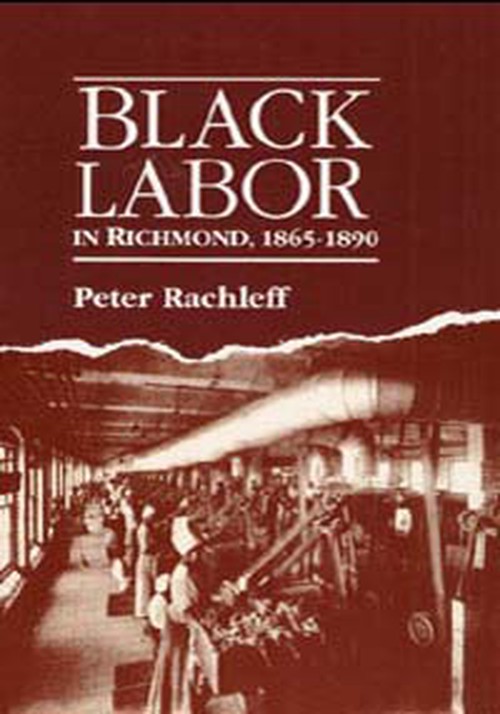
Peter J. Rachleff
Post-Civil War Richmond built its advanced economic development on industries that ranged from tobacco to iron. Newly freed Black workers relocated to the city to take advantage of its healthy job market and growing economy. Peter J. Rachleff looks at the work and social milieus of Black workers against the backdrop of the class and racial tensions that simmered in the city. Rachleff examines how a working class formed out of a complex fusion of race, ethnicity, culture, religion, occupation, trade unionism, and activism. In addition, he goes beyond Black labor concerns to shed light on Richmond as a site of social change and the family connections, institutions, and popular politics woven into the lives of the city and its people
looks at the work and social milieus of Black workers against the backdrop of the class and racial tensions that simmered in the city.
Peter Kolchin
"The two largest transitions from unfree to free labor of the many that occurred in Europe and the Americas during the nineteenth century took place in the United States and in Russia. Both occurred in the 1860s, and in both the former slaves and serfs strove to maximize their autonomy and freedom while the former masters worked to preserve as many of their prerogatives as possible. Both were partially--but only partially--successful. In this magisterial and long-awaited work, historian Peter Kolchin shows that a more radical break with the past was possible in the United States than in Russia, with the Southern freedpeople coming to enjoy republican citizenship, whereas Russian peasants remained subjects rather than citizens. Both countries saw conservative reactions triumph in the late nineteenth century. While this conservatism was common in most emancipations, it was especially strong in Russia and the American South, in part as a reaction against the major efforts to restructure the social order that went by the name of Reconstruction in the United States and the Great Reforms in Russia." -- Publisher's description
shows that a more radical break with the past was possible in the United States than in Russia, with the Southern freedpeople coming to enjoy republican citizenship, whereas Russian peasants remained subjects rather than citizens.
Peter Kolchin
Kolchin compares the world of masters and the world of slaves in U.S. and Russian nonfree labor systems. He theorizes that while southern states in the U.S. existed as slaveowner's communities, the rural Russian communal landcape was severely influenced by the bargaining power of peasant bondsmen
Contents
Preface
Introduction: The Origin and Consolidation of Unfree Labor
PART I The Masters and Their Bondsmen
1. Labor Management
2. Planters, Pomeshchiki, and Paternalism
3. Ideals and Ideology
PART II The Bondsmen and Their Masters
4. Community and Culture
5. Patterns of Resistance
6. Protest, Unity, and Disunity
Epilogue: The Crisis of Unfree Labor
Bibliographical Note
Notes
Index
compares the world of masters and the world of slaves in U.S. and Russian nonfree labor systems.
Peter Liebold, Harry Rubenstein, History Matters
Demonstrations and public campaigns against well-known corporations such as Nike, Wal-Mart and The Gap have raised awareness of sweatshops among many Americans, especially among many young people. Peter Liebold and Harry Rubenstein, curators of an exhibition on sweatshops at the National Museum of American History, Smithsonian Institution, place the current debate on sweatshops in the garment industry in a historical context and explore the complex factors that contribute to their existence today. (Posted July 1998)
Peter Liebhold and Harry Rubenstein's historical contextualization of American sweatshops from 1820 to the present, beginning with impoverished seamstresses and ending with modern sweatshops.

Peter Linebaugh
An essential compendium of reflections on the reviled, glorious, and voltaic occasion of May 1st, the international May Day holiday May 1st is a day that once made the rich and powerful cower in fear and caused Parliament to ban the Maypole--a magnificent and riotous day of rebirth, renewal, and refusal. This book's reflections on the Red and the Green--out of which arguably the only hope for the future lies--are populated by the likes of Native American anarchocommunist Lucy Parsons, the Dodge Revolutionary Union Movement, Karl Marx, José Martí, W.E.B. Du Bois, Rosa Luxemburg, SNCC, and countless others, both sentient and verdant. The book is a forceful reminder of the potentialities of the future, for the coming of a time when the powerful will fall, the commons restored, and a better world born anew
secret history of May Day
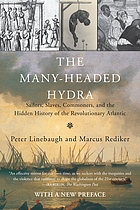
Peter Linebaugh
Winner of the International Labor History Award Long before the American Revolution and the Declaration of the Rights of Man, a motley crew of sailors, slaves, pirates, laborers, market women, and indentured servants had ideas about freedom and equality that would forever change history. The Many Headed-Hydra recounts their stories in a sweeping history of the role of the dispossessed in the making of the modern world. When an unprecedented expansion of trade and colonization in the early seventeenth century launched the first global economy, a vast, diverse, and landless workforce was born. These workers crossed national, ethnic, and racial boundaries, as they circulated around the Atlantic world on trade ships and slave ships, from England to Virginia, from Africa to Barbados, and from the Americas back to Europe. Marshaling an impressive range of original research from archives in the Americas and Europe, the authors show how ordinary working people led dozens of rebellions on both sides of the North Atlantic. The rulers of the day called the multiethnic rebels a 'hydra' and brutally suppressed their risings, yet some of their ideas fueled the age of revolution. Others, hidden from history and recovered here, have much to teach us about our common humanity.--Provided by publisher
The wreck of the Sea-Venture
Hewers of wood and drawers of water
"A blackymore maide named Francis"
The divarication of the Putney debates
Hydrarchy : sailors, pirates, and the maritime state
"The outcasts of the nations of the earth"
A motley crew in the American Revolution
The conspiracy of Edward and Catherine Despard
Robert Wedderburn and Atlantic Jubilee
Conclusion: Tyger! Tyger!
a sweeping history of the role of the dispossessed in the making of the modern world, shows how ordinary working people led dozens of rebellions on both sides of the North Atlantic.